
Eid UL Fitr is one of the most important festivals of Muslims and it has its own traditions and customs. It is also 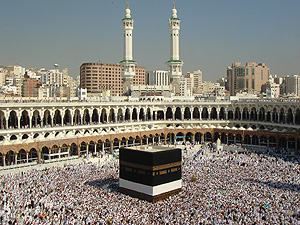 known as Choti id and is celebrated with more enthusiasm and passion by different names in different Muslims nations. Eid UL Fitr marks the end of the fasting month of Ramadan and it has its great significance for the Muslims. Eid-UL Fitr is celebrated in various ways in different countries but there are some common rituals in the entire Muslim community across the world.
As the month of Ramadan draws to a close, the Muslim community begins searching the sky for the next full moon .And when the full moon is spotted , the whole community makes a great shot along with the beating of drums to indulge in the three day festival of Eid-UL-Fitr where Eid means happiness and UL-Fitr means breaking the fast.
On the first morning of Eid-UL-Fitr, Muslims all over the world take a bath and have their breakfast comprising of dates and sweets. Families begin their day at the mosques wearing a new dress to worship Allah. Special Eid-UL-Fitr ceremony is carried out in an open area under the sky where the worshipers bend forward on their prayer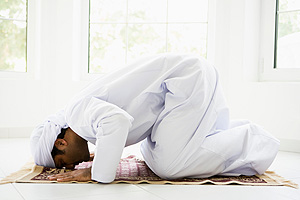 mats, press their heads against the ground and raise their hands high calling 'Allah is great'. Then they greet everyone saying "Eid Mubarak" which means happiness to everyone. All the Muslims recite Takbir before the Prayers which starts from the time when the crescent moon is sighted and till the Eid prayers are said. Muslims pay 'Zakat al Fitr' that is the alms for the Ramadan month.'Zakat al Fitr' is given at the nearby mosque to start the Eid prayer. Zakat al Fitr can be in the form of money, eatables like dates, wheat, barley, raisins etc. to utilize it in the best possible ways.
The Eid Prayer is followed by the Sermon also known as Khutba and then after Everyone prays to God asking for God's forgiveness, mercy, peace and blessing for all people around the world. Listening to the Sermon at Eid is a requirement . After returning from the mosque, the Muslim families get together for their first midday meal in a month.
Eid is the time for celebrations which comes at the end of the Ramadan month. Eid gifts, known as Eidi, are given at Eid to children and relatives. Females decorate and clean their houses and dress themselves beautifully and apply henna (Mehndi) on hands. Men wear new white clothes. Females cook delicious food on Eid day and specially 'Saiwiyan' which is a famous dish of Eid. Children enjoy the most as they get gifts and love from all the relatives. On the Eid day , there are fairs and special holiday shops. In the evening there is a fireworks display by the Muslims .Non-Muslims visit their Muslim friends to join in their happiness and especially to consume special dish of Eid. Muslims greet each other by wishing Eid Mubarak. Celebrations extend to three days of enjoyment. While in India, Eid UL Fitr calls for a one day holiday all across the country.
Let us know your feedback, and also let others know about this page
 Mother's Day
 Buddha Purnima
 Personal Finance Guide
 Multifaceted Blog
 Good Morning
 Dating