Discover how to unlock success with China's top wholesale suppliers in 2026. Expert strategies, trends, and proven selection methods inside.
Unlocking Success: A Comprehensive Guide to China Wholesale Suppliers in 2026
The wholesale landscape in China continues to evolve rapidly, offering unprecedented opportunities for entrepreneurs and business owners worldwide. In 2026, accessing quality products at competitive prices from China's wholesale suppliers has become more accessible—and more complex—than ever before. Whether you're sourcing for resale, manufacturing, or private label development, understanding how to navigate this ecosystem is crucial to your business success.
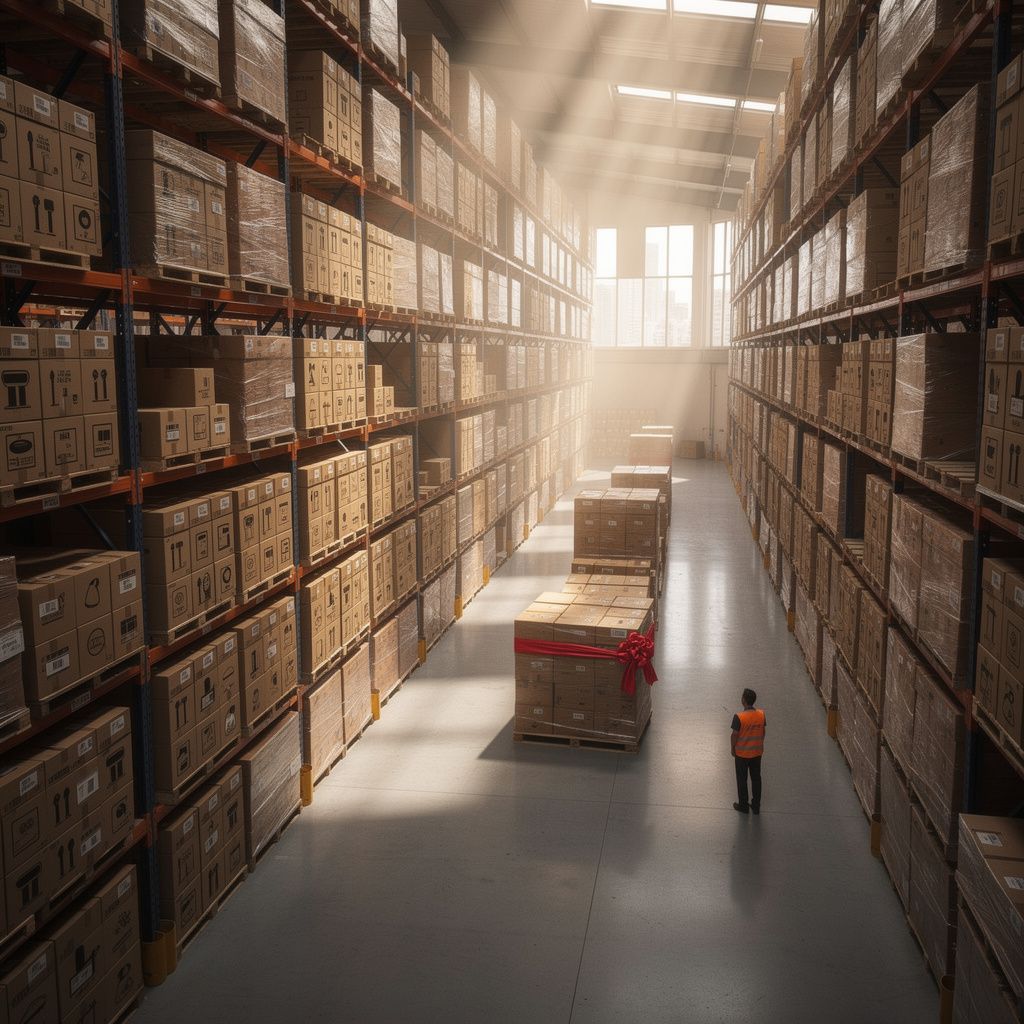
This guide walks you through everything you need to know about finding, evaluating, and partnering with China's most reliable wholesale suppliers. We'll explore the benefits and limitations, examine different supplier types, uncover emerging trends, and provide actionable strategies to help you make informed decisions that protect your investment and maximize your returns.
Benefits and Limitations of China Wholesale Sourcing
China's wholesale market offers compelling advantages that have made it the world's manufacturing hub. Understanding both sides of the equation helps you approach partnerships with realistic expectations.
Key Benefits:
- Significantly lower production costs compared to Western manufacturers
- Access to massive product variety across virtually every category
- Established supply chain infrastructure and logistics networks
- Flexibility for bulk orders, samples, and custom manufacturing
- Rapid innovation and ability to scale quickly
- Competitive pricing that improves with volume
Important Limitations:
- Language and cultural communication barriers
- Quality consistency challenges across different factories
- Longer lead times requiring advance planning
- Intellectual property protection concerns
- Shipping complexity and customs documentation
- Time zone differences affecting real-time communication
Types of China Wholesale Suppliers
Not all wholesale suppliers operate the same way. Understanding the different categories helps you choose the right partner for your specific needs.
Manufacturing Factories (OEM/ODM) produce goods directly and often work with multiple clients. They offer the lowest prices but require larger minimum orders and longer lead times. These suppliers are ideal for businesses with consistent, high-volume needs.
Trading Companies act as intermediaries between factories and international buyers. They handle logistics, quality control, and communication, making them excellent for first-time importers despite slightly higher costs. They reduce risk and simplify the process significantly.
Wholesalers and Distributors purchase finished goods in bulk and resell them. They offer smaller minimum order quantities and faster delivery, making them perfect for retailers and small businesses just starting out.
Specialized Sourcing Agents work on behalf of buyers to find specific suppliers, negotiate terms, and manage quality. They charge fees but provide invaluable expertise and local market knowledge.
Emerging Trends in China Wholesale for 2026
The wholesale landscape is shifting in response to global economic changes, technological advancement, and evolving consumer demands. Staying aware of these trends gives you competitive advantage.
Sustainability Focus: Suppliers increasingly emphasize eco-friendly materials and ethical manufacturing practices. Buyers are demanding transparency about environmental impact, pushing suppliers to innovate in sustainable production methods.
Technology Integration: AI-powered quality control, blockchain for supply chain transparency, and digital platforms for supplier verification are becoming standard. These technologies reduce fraud risk and improve reliability.
Nearshoring Alternatives: While China remains dominant, some production is shifting to Southeast Asia and other regions. Smart buyers are diversifying their supplier base to reduce dependency and shipping times.
Direct-to-Consumer Models: More suppliers are offering direct sales to end consumers, creating new competitive dynamics. Understanding this shift helps you position your business strategically.
Enhanced Communication Tools: Video inspections, real-time production tracking, and AI translation services are breaking down traditional barriers. These tools make supplier relationships smoother and more transparent.
Key Features of Reliable Wholesale Suppliers
Identifying trustworthy suppliers requires knowing what to look for. These characteristics distinguish legitimate, reliable partners from risky ones.
| Feature | Why It Matters | Red Flags |
|---|---|---|
| Business Registration & Certifications | Proves legitimacy and legal standing | No verifiable business license or certifications |
| Production Capacity Documentation | Ensures they can fulfill your volume needs | Vague claims about capacity or no evidence |
| Quality Control Systems | Guarantees consistent product standards | No formal QC process or third-party testing |
| Client References & Track Record | Demonstrates reliability and experience | Unwilling to provide references or vague history |
| Clear Communication Channels | Facilitates smooth ongoing partnership | Slow responses, language barriers, evasiveness |
| Payment & Contract Terms | Protects your investment and interests | Demanding full payment upfront or unclear terms |
| Compliance Standards | Ensures products meet international regulations | Unfamiliar with safety standards or compliance |
Leading Supplier Categories in 2026
Different product categories attract different quality levels of suppliers. Understanding where to look for specific products improves your sourcing success.
Electronics and Technology: Shenzhen and surrounding areas dominate this sector. Suppliers here are highly sophisticated, with established quality systems and international experience. This category offers excellent reliability but requires careful IP protection.
Apparel and Textiles: Southern provinces like Guangdong lead in garment manufacturing. Suppliers range from basic to premium, with increasing sustainability focus. Lead times are moderate, and customization is readily available.
Home and Garden Products: Widely distributed across multiple regions, these suppliers offer flexibility and competitive pricing. Quality varies significantly, making careful vetting essential.
Industrial and Equipment: Specialized suppliers in industrial zones offer high-quality products with strong engineering support. These partnerships often develop into long-term relationships with excellent stability.
Beauty and Personal Care: Rapidly growing sector with increasing regulatory compliance. Suppliers are becoming more professional, with better documentation and quality assurance systems.
How to Select the Right Wholesale Supplier
Choosing the right supplier is one of the most critical decisions you'll make. This systematic approach minimizes risk and maximizes success.
Step 1: Define Your Requirements Clearly - Document your exact specifications, volume needs, quality standards, timeline, and budget. The more specific you are, the better suppliers can respond accurately.
Step 2: Research Potential Suppliers - Use multiple sources: industry directories, trade shows, online platforms, and referrals. Don't rely on a single source. Verify information independently.
Step 3: Request Samples and Documentation - Always order samples before committing to large quantities. Request certifications, test reports, and production documentation. This investment saves money long-term.
Step 4: Verify Legitimacy - Check business registration, visit their facility if possible, request client references, and verify claims independently. Use third-party verification services when appropriate.
Step 5: Negotiate Terms Carefully - Discuss payment terms, minimum orders, lead times, quality guarantees, and dispute resolution. Get everything in writing. Don't accept vague agreements.
Step 6: Start Small and Scale - Begin with a smaller order to test the relationship. Evaluate quality, communication, and reliability before increasing volume. This approach protects your investment.
Essential Tips for Successful Partnerships
Communication Checklist:
- Establish clear communication protocols and response time expectations
- Use written communication for all important details and agreements
- Schedule regular video calls to build relationship and address issues quickly
- Provide detailed specifications with visual references and samples
- Confirm understanding by requesting written summaries of agreements
- Build in buffer time for language translation and clarification
- Develop contingency plans for common issues
- Maintain professional, respectful communication at all times
Quality Assurance Best Practices: Implement third-party inspection services for large orders. Establish clear quality standards with measurable criteria. Request production photos and videos at key stages. Create a testing protocol for received goods. Document all quality issues and resolutions. Build quality improvement into ongoing supplier discussions.
Relationship Building Strategies: Treat suppliers as partners, not just vendors. Honor payment commitments and deadlines. Provide advance notice of order changes. Share market feedback and success stories. Gradually increase order volume as trust builds. Celebrate milestones and successes together. Maintain consistent contact even between orders.
Frequently Asked Questions
Q: What's the minimum order quantity (MOQ) I should expect? MOQs vary widely by product and supplier. Electronics might require 100+ units, while some wholesalers accept orders of 10-20 units. Trading companies typically have lower MOQs than factories. Negotiate MOQs based on your business needs and willingness to commit to larger volumes.
Q: How long do shipments from China typically take? Sea freight usually takes 20-40 days depending on destination and port. Air freight is faster (5-10 days) but significantly more expensive. Lead time also includes production time, which varies from 7-60 days depending on product complexity. Always add buffer time to your planning.
Q: How can I protect my intellectual property when working with Chinese suppliers? Use comprehensive NDA agreements. Register your designs and patents in China if possible. Provide only necessary information to suppliers. Work with established suppliers who value long-term relationships. Consider using trading companies as intermediaries. Consult with IP specialists familiar with Chinese law.
Q: What payment methods are safest when ordering from China? Use secure methods like letters of credit, escrow services, or payment platforms with buyer protection. Avoid wire transfers for first-time suppliers. Use milestone payments tied to production stages. Never pay 100% upfront. Build payment terms into contracts with clear conditions.
Q: How do I verify if a supplier is legitimate before sending money? Check business registration on official Chinese government databases. Request and verify client references independently. Ask for facility photos and production videos. Use video calls to meet team members. Verify contact information through multiple channels. Consider hiring a local agent to visit the facility. Use trade verification services and industry databases.
Q: What should I include in a supplier agreement? Include product specifications, quality standards, pricing and payment terms, delivery timeline and shipping method, minimum order quantities, warranty and returns policy, intellectual property protections, communication protocols, dispute resolution procedures, and contract duration with renewal terms.
Conclusion: Building Your Wholesale Success Strategy
Success with China wholesale suppliers in 2026 comes from combining thorough research, careful vetting, clear communication, and strategic relationship building. The opportunities are genuine and substantial—but they require informed decision-making and professional approaches.
Start by clearly defining your needs and expectations. Take time to research multiple suppliers across different platforms and sources. Request samples and verify legitimacy before committing significant capital. Begin with smaller orders to test the relationship and build trust gradually. Maintain professional, respectful communication throughout your partnership.
Remember that the cheapest option is rarely the best option. Quality, reliability, and communication consistency matter far more than saving a few percentage points on cost. The suppliers who invest in systems, certifications, and client relationships deliver superior results and protect your business long-term.
As you build your wholesale sourcing strategy, stay aware of emerging trends like sustainability, technology integration, and enhanced communication tools. Position your business to leverage these developments for competitive advantage. Finally, treat your suppliers as partners in your success. When both parties benefit from the relationship, you've found a true competitive advantage that drives sustainable business growth.