Meal replacement shakes are beverages designed to provide some of the nutrients commonly found in a regular meal. Depending on their formulation, they may contain protein, carbohydrates, fats, vitamins, minerals, and dietary fiber. They are available in ready-to-drink bottles, powders that can be mixed with water or milk, and homemade versions prepared using ingredients such as fruit, yogurt, oats, and seeds. Their nutritional composition varies considerably, so understanding the ingredients and nutrition label is important when comparing different options.
These beverages are often used by people with busy schedules who want a convenient way to consume nutrients when preparing a full meal is difficult. However, a shake does not automatically provide the same nutritional variety as a balanced meal made with whole foods. Its suitability depends on its ingredients, portion size, overall dietary habits, and individual nutritional requirements.
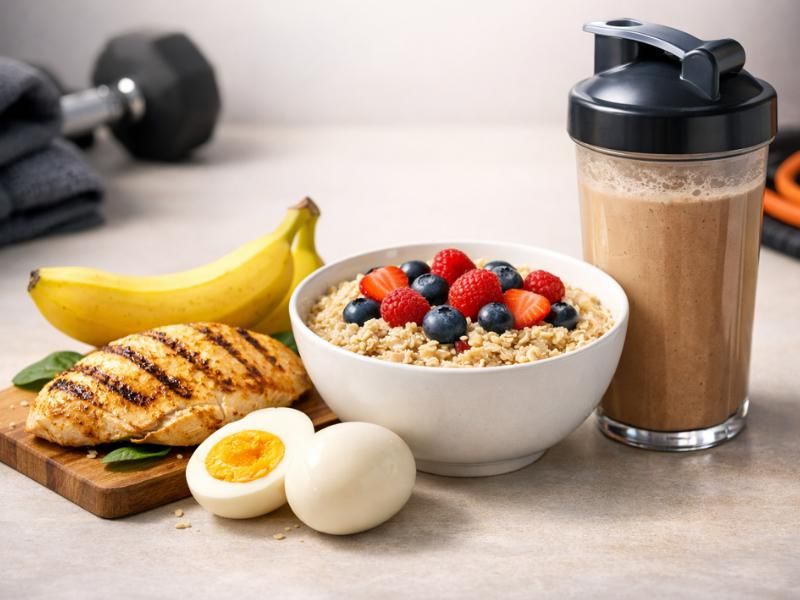
Importance of Ingredients in Meal Replacement Shakes
Protein Sources and Their Nutritional Role
Protein is an important nutrient that supports muscle maintenance, tissue repair, and many essential functions in the body. Meal replacement shakes may contain whey protein, casein, soy protein, pea protein, or other plant-based protein sources. Whey and casein are derived from milk, while soy and pea protein are common alternatives for people following plant-based diets. Each source has a different nutritional profile, and the appropriate option depends on dietary preferences, allergies, and individual needs.
When evaluating protein shakes, it is useful to check the protein content per serving and consider how much protein is obtained from the rest of the diet. A higher protein figure does not necessarily mean that a product is more nutritious overall. The amount of added sugar, fiber, fat, and other nutrients also contributes to its overall nutritional quality.
Carbohydrates and Dietary Fiber
Carbohydrates provide energy for everyday activities, and they can come from ingredients such as oats, fruit powders, milk, and other grain-based components. Some products also contain added sugars or sweeteners to improve taste. Reading the nutrition facts label helps distinguish total carbohydrates from total sugars and added sugars, where these are listed.
Dietary fiber supports normal digestive function and can contribute to feelings of fullness. Ingredients such as oats, chia seeds, flaxseeds, and certain plant fibers may increase the fiber content of a shake. However, fiber levels differ among products, and a shake with little fiber may not provide the same nutritional benefits as a meal containing vegetables, legumes, fruits, and whole grains.
Healthy Fats and Essential Nutrients
Fats are necessary for normal body functions, including the absorption of fat-soluble vitamins. Some meal replacement formulations contain fats from vegetable oils, nuts, seeds, or other ingredients. Unsaturated fats are generally preferred over excessive amounts of saturated fats as part of a balanced dietary pattern.
Vitamins and minerals are also commonly included in meal replacement products. Depending on the formulation, these may include calcium, iron, potassium, vitamin D, vitamin B12, and several B vitamins. These nutrients perform different functions, such as supporting bone health, oxygen transport, and normal energy metabolism. Fortification can improve a product's nutrient profile, but it does not guarantee that the shake provides every nutrient required for a balanced diet.
Nutritional Value of Meal Replacement Shakes
Calories, Protein, Sugar, and Fiber
The nutritional value of a meal replacement shake depends on the ingredients and serving size. Some products are designed to provide a substantial amount of energy and several nutrients, while others contain relatively few calories and are intended for different purposes. Protein drinks and meal replacement beverages should not be treated as interchangeable because their nutritional objectives may differ.
When comparing products, consumers should examine calories, protein, total carbohydrates, total fat, saturated fat, added sugars, fiber, and the amounts of vitamins and minerals. It is also important to check whether the nutrition information refers to the powder alone or to a prepared serving made with milk or another liquid. Additional ingredients can substantially change the final nutritional composition.
Comparing Meal Replacement Shakes With Whole Foods
Whole foods provide a broad range of nutrients and can offer benefits beyond the nutrients listed on a label. A balanced meal containing vegetables, whole grains, legumes, eggs, fish, dairy products, or other suitable protein sources can supply different vitamins, minerals, fiber, and beneficial food compounds.
A meal replacement shake may be convenient in certain circumstances, but it should not automatically replace a varied diet. Whole foods also provide different textures and eating experiences that a beverage may not reproduce. For most people, using shakes selectively while maintaining regular, varied meals can be a practical approach to everyday nutrition.
Types of Meal Replacement Shakes
Dairy-Based Meal Replacement Shakes
Dairy-based shakes may contain milk protein, whey, casein, or milk-derived ingredients. Depending on the formulation, they can provide protein, calcium, and other nutrients. These products may be appropriate for people who tolerate dairy and prefer its taste and texture. People with milk allergies should avoid products containing the relevant milk proteins, while individuals with lactose intolerance may need to check the lactose content and consider their personal tolerance.
Plant-Based Meal Replacement Shakes
Plant-based shakes may use soy, pea, rice, oat, or blended plant proteins. Their nutritional profiles depend on the combination of ingredients and the degree of fortification. People following vegetarian or vegan diets may find these products useful when evaluating their overall protein and micronutrient intake. Checking the ingredient list is especially important because some products contain added sugars, flavorings, or ingredients that may not suit particular dietary requirements.
Homemade Meal Replacement Shakes
Homemade shakes allow greater control over ingredients and portion sizes. A mixture of milk or a fortified alternative, plain yogurt, oats, fruit, and seeds can provide protein, carbohydrates, fats, and fiber. Ingredients can be adjusted to accommodate taste preferences, allergies, and dietary patterns. Nevertheless, a homemade smoothie is not automatically a complete meal replacement; its nutritional adequacy depends on the quantities and variety of ingredients used.
How to Use Meal Replacement Shakes in Everyday Life
Busy Schedules and Meal Planning
People with demanding work schedules, study commitments, or frequent travel may sometimes find it difficult to prepare a meal. In these situations, a nutritionally appropriate shake can provide a convenient alternative when a regular meal is temporarily impractical. Keeping the rest of the daily diet varied remains important, particularly when a shake contains limited fiber or a narrow range of nutrients.
Meal planning can help people determine when a shake is useful and when a full meal would be more appropriate. Preparing balanced meals in advance, keeping suitable snacks available, and including fruits, vegetables, whole grains, and protein-rich foods can support a more consistent eating routine.
Portion Size and Preparation
Following the serving instructions on the product label can help ensure that the intended nutritional amounts are consumed. Mixing a powder with water generally produces a different nutritional result from mixing it with milk, fortified soy beverage, or another calorie-containing liquid. Adding nut butter, oats, seeds, or fruit can also change the energy and nutrient content.
People preparing homemade shakes should consider both ingredient quality and portion size. A large smoothie containing several energy-dense ingredients may provide substantially more calories than expected, while a very small shake may not provide enough energy to function as a complete meal. Individual needs vary according to age, activity level, health status, and other factors.
What to Check Before Choosing a Meal Replacement Shake
Nutrition Facts and Ingredient Labels
Nutrition labels provide useful information for comparing meal replacement products. The serving size should be reviewed first, followed by calories, protein, carbohydrates, fats, fiber, sugars, and micronutrients. The ingredient list can reveal the main protein source, added sweeteners, allergens, and other components that may affect suitability.
Consumers should also be cautious about exaggerated statements involving rapid weight loss, disease treatment, or guaranteed health outcomes. Nutritional products differ in composition, and no single shake is appropriate for everyone. Claims should be assessed carefully rather than accepted solely on the basis of advertising or packaging.
Allergies and Dietary Requirements
People with food allergies should carefully review ingredient and allergen information before consuming a product. Milk, soy, and other common allergens may be present in meal replacement formulations. Individuals with specific dietary requirements may also need to consider lactose, gluten-containing ingredients, or other components relevant to their circumstances.
Anyone with a medical condition that affects nutrition, digestion, kidney function, blood glucose management, or nutrient absorption should seek advice from a qualified healthcare professional before making meal replacement shakes a regular part of their diet. Children, pregnant individuals, and people with increased nutritional needs may require specific dietary guidance rather than general product recommendations.
Meal Replacement Shakes and Weight Management Nutrition
Meal replacement shakes are sometimes included in structured weight management plans because their portions and nutritional composition may be easier to measure than those of some mixed meals. However, their effects depend on overall energy intake, dietary quality, activity levels, and long-term habits. Simply drinking a shake does not guarantee weight loss or improved health.
A sustainable approach to weight management generally involves balanced nutrition, appropriate portion sizes, regular physical activity, adequate sleep, and habits that can be maintained over time. Some people may benefit from professional guidance when deciding whether a meal replacement product fits their dietary needs. Product labels should be evaluated for nutritional quality rather than relying on promises of rapid or effortless results.
Common Questions About Meal Replacement Shakes
Are Meal Replacement Shakes Nutritionally Complete?
Some products are formulated to provide a defined range of nutrients, while others are primarily protein beverages or nutritional supplements. The term alone does not establish that a shake contains everything needed for a balanced meal. Consumers should review the nutritional information and intended use to understand what the product provides.
Can Meal Replacement Shakes Be Used Every Day?
Whether daily use is appropriate depends on the product, the person's nutritional needs, and the variety of the rest of their diet. Regular reliance on a product with limited nutrients may reduce dietary variety. People considering frequent use should ensure that their overall eating pattern remains balanced and seek professional advice when necessary.
What Is the Difference Between Protein Shakes and Meal Replacement Shakes?
Protein shakes are generally designed to provide protein, although their ingredients vary. Meal replacement shakes are intended to provide a broader combination of nutrients and energy that can help substitute for a meal in certain circumstances. Some products overlap, so the nutrition label and stated purpose are more informative than the product name alone.
Are Homemade Shakes Better Than Packaged Products?
Neither option is automatically better in every situation. Homemade shakes allow ingredient flexibility and can include whole foods, while packaged products may provide consistent portions and added vitamins and minerals. Comparing the ingredients, nutrient content, convenience, and individual dietary requirements helps determine which option is suitable.
Conclusion
Meal replacement shakes can play a practical role in everyday nutrition when their ingredients, nutritional value, and intended use are understood. Protein sources, carbohydrates, healthy fats, dietary fiber, vitamins, and minerals all contribute to the overall quality of a formulation. Comparing nutrition labels and considering individual dietary requirements can help consumers make informed decisions.
Although these beverages may be useful when preparing a regular meal is difficult, they should not automatically replace the variety of foods found in a balanced diet. A thoughtful approach to meal planning, whole-food intake, and nutritional needs provides a more reliable foundation for long-term dietary health.