Discover the insider secrets to finding incredible deals at police impound auctions in 2026. Learn what to expect, how to bid smart, and avoid costly mistakes.
Police impound auctions represent one of the most accessible ways to purchase vehicles at substantial discounts. Whether you're looking for a reliable daily driver or a project car, these auctions offer opportunities that traditional dealerships simply cannot match. However, navigating the impound auction landscape requires understanding the process, knowing what to look for, and developing a strategic approach to bidding. This guide equips you with everything needed to succeed in 2026.
What Are Police Impound Auctions?
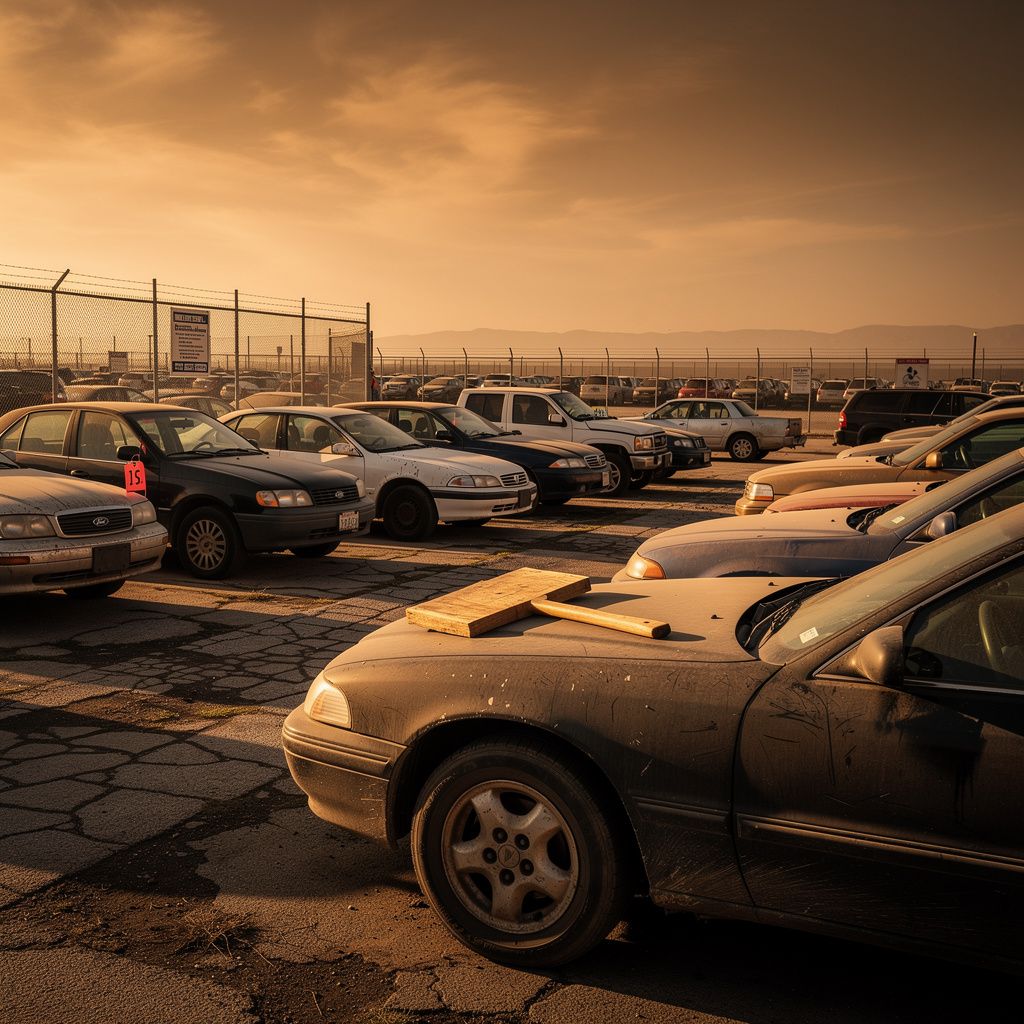
Police impound auctions are public sales of vehicles that have been seized, abandoned, or forfeited to law enforcement agencies. These vehicles come from various sources including traffic violations, criminal investigations, abandoned property, and civil forfeitures. Agencies hold these auctions to clear inventory and generate revenue, which means pricing is often significantly lower than retail market value.
The vehicles sold at these auctions range from standard sedans to trucks, SUVs, and specialty vehicles. While some have minor cosmetic damage, others are in excellent condition. The key difference from traditional dealerships is the "as-is" sales model—you purchase vehicles without manufacturer warranties or typical dealer guarantees.
How Police Impound Auctions Work
Understanding the auction process is essential before you participate. Most police impound auctions follow a standardized format, though specific procedures vary by jurisdiction and agency.
Registration and Inspection
Before bidding, you'll need to register with the auction house or police department. Registration typically requires a valid ID and sometimes a deposit, which is refunded if you don't win any vehicles. Most auctions offer a pre-auction inspection period where you can examine vehicles in person. This is your opportunity to check mechanical condition, look for damage, and assess whether a vehicle meets your needs.
The Bidding Process
Auctions can be held in-person, online, or hybrid formats. In-person auctions involve live bidding where the highest bidder wins. Online auctions allow remote participation through digital platforms. Some agencies use sealed-bid formats where you submit your offer without knowing competitors' bids. Understanding which format applies to your target auction helps you prepare an effective bidding strategy.
Payment and Pickup
Winners must typically pay within 24-48 hours, usually via cashier's check, wire transfer, or credit card. Payment methods vary by auction house. After payment clears, you'll receive documentation and can arrange vehicle pickup. Some auctions offer transportation services for an additional fee.
Types of Vehicles Available at Impound Auctions
Police impound auctions feature diverse vehicle selections, each with different characteristics and considerations.
| Vehicle Type | Typical Condition | Best For | Risk Level |
|---|---|---|---|
| Standard Sedans | Variable, often good | Daily drivers, budget buyers | Low to Medium |
| SUVs/Trucks | Variable, higher mileage | Family use, work vehicles | Medium |
| Luxury Vehicles | Often excellent | Enthusiasts, resellers | Medium to High |
| Salvage/Damaged | Poor to Fair | Mechanics, restoration projects | High |
| Fleet Vehicles | Well-maintained | Businesses, commercial use | Low |
Key Trends in Police Impound Auctions for 2026
The impound auction landscape continues evolving with technological advances and changing market conditions.
Digital-First Platforms
More agencies are transitioning to online and hybrid auction formats, making participation easier for remote buyers. Digital platforms provide detailed vehicle photos, inspection reports, and real-time bidding capabilities.
Increased Transparency
Modern auction houses provide more detailed vehicle history reports, including accident records, title status, and mechanical assessments. This transparency helps buyers make informed decisions and reduces surprises after purchase.
Growing Competition
As awareness of impound auctions spreads, competition among bidders increases. This means prices are rising while inventory selection may be more limited. Early registration and strategic bidding become increasingly important.
Enhanced Inspection Services
Many auction houses now offer professional pre-purchase inspections, allowing you to get detailed mechanical reports before committing to a bid. Some provide vehicle history reports and title verification services.
Essential Features to Evaluate
When inspecting vehicles at impound auctions, focus on these critical features:
- Mechanical Condition: Listen for unusual engine sounds, check fluid levels, test brakes and steering
- Exterior Damage: Look for rust, dents, paint mismatches, and frame damage
- Interior Quality: Assess upholstery condition, dashboard cracks, and electronic functionality
- Mileage Verification: Confirm odometer readings match vehicle history reports
- Title Status: Verify the title is clean and transferable without complications
- Service Records: Review maintenance history if available
- Recall Status: Check for outstanding manufacturer recalls
Major Auction Houses and Platforms
Several organizations facilitate police impound auctions across the United States. Understanding where to find auctions helps you access more opportunities.
Government Auction Sites: Many state and local police departments list auctions on their official websites or partner with certified auctioneers. These direct sources often have the most current listings.
Specialized Auction Platforms: Companies specializing in government and impound auctions aggregate listings from multiple agencies, providing centralized access to opportunities nationwide. These platforms typically charge listing fees but offer convenience and broader selection.
Local Police Departments: Contacting your local police department directly can provide information about upcoming auctions and may offer advantages for community members.
How to Select the Right Vehicle
Successful impound auction buyers follow a systematic selection process:
- Define Your Needs: Determine vehicle type, size, and features you require
- Set Your Budget: Establish maximum bid amount and stick to it
- Research Market Value: Check comparable vehicles on automotive websites to understand fair pricing
- Inspect Thoroughly: Spend adequate time examining each vehicle you're interested in
- Get Professional Assessment: Consider hiring a mechanic for pre-purchase inspections
- Review Title Status: Confirm the vehicle has a clean, transferable title
- Check Vehicle History: Use services like Carfax or AutoCheck to identify past issues
- Compare Options: Don't bid on the first vehicle; evaluate multiple options before deciding
Insider Tips for Winning Bids
Experienced auction buyers employ proven strategies to secure vehicles at favorable prices:
Arrive Early and Scout
Attending auctions early allows you to inspect vehicles without time pressure and understand the bidding pace. Early arrival also helps you identify vehicles others might overlook.
Know Your Limits
Set a maximum bid before the auction begins and maintain discipline. Auction excitement can lead to overpaying; predetermined limits prevent emotional decisions.
Bid Strategically
Don't open bidding on vehicles you want—let others establish prices. Jump in strategically to avoid driving prices up unnecessarily. Sometimes waiting for less popular vehicles yields better deals.
Understand the Crowd
Professional resellers and mechanics often target specific vehicle types. Bidding on vehicles outside their typical focus may face less competition and result in better prices.
Use Online Auctions Strategically
Online auctions often see less competition than in-person events. Bidding in off-peak times or on less popular vehicles can yield advantages.
Common Mistakes to Avoid
Learning from others' mistakes helps you avoid costly errors:
- Skipping the inspection period due to time constraints
- Bidding without understanding the vehicle's market value
- Ignoring title issues or complications
- Assuming "as-is" means you have no recourse for major defects
- Overbidding due to auction excitement
- Failing to budget for transportation and immediate repairs
- Not verifying the vehicle's history before bidding
- Underestimating repair costs for damaged vehicles
Frequently Asked Questions
Can I get financing for impound auction vehicles?
Most impound auctions require payment in full immediately after winning. Some auction houses partner with lenders, but options are limited. Plan to pay cash or arrange financing beforehand. Banks may be hesitant to finance vehicles from impound auctions due to "as-is" conditions.
What if the vehicle has a lien on the title?
Vehicles at police impound auctions should have clear titles, but verify this before bidding. If a lien exists, the auction house should disclose it. Never bid on vehicles with liens unless you're prepared to handle title complications.
Are impound auction vehicles cheaper than dealer prices?
Yes, impound auction vehicles typically sell for 30-50% below market value, though prices vary by condition and demand. However, factor in potential repair costs when comparing to dealer prices.
How do I know if a vehicle has been in an accident?
Request vehicle history reports using the VIN. These reports indicate accident history, insurance claims, and title issues. Professional pre-purchase inspections can also reveal accident damage through detailed mechanical assessment.
What happens if I win but can't pay?
Failure to pay after winning typically results in forfeiture of your deposit and potential legal action. You may also be banned from future auctions. Only bid if you're prepared to complete the purchase.
Can I return a vehicle if something is wrong?
Most impound auctions are final sales with no returns. The "as-is" condition means you accept the vehicle's current state. This emphasizes the importance of thorough pre-purchase inspection.
Conclusion
Police impound auctions offer legitimate opportunities to purchase quality vehicles at significant discounts, but success requires preparation, knowledge, and strategic thinking. By understanding how auctions work, thoroughly inspecting vehicles, researching market values, and bidding strategically, you can navigate the impound auction landscape confidently in 2026. The key is treating each auction as a learning opportunity, maintaining discipline, and focusing on finding vehicles that meet your specific needs rather than chasing every deal. With the right approach, you'll join thousands of satisfied buyers who've found exceptional value at police impound auctions.