Discover how to find, inspect, and purchase seized police motorcycles at auction. Learn insider tips to score deals on quality bikes while avoiding costly mistakes.
The thrill of finding a quality motorcycle at a fraction of its market value is no longer a fantasy—it's a reality for thousands of savvy buyers who've discovered the world of police impound motorcycles. Every year, law enforcement agencies liquidate seized, abandoned, and recovered bikes through auctions, creating golden opportunities for buyers willing to do their homework. But success in this space requires more than just showing up with cash. It demands knowledge, strategy, and an understanding of what you're really getting into.
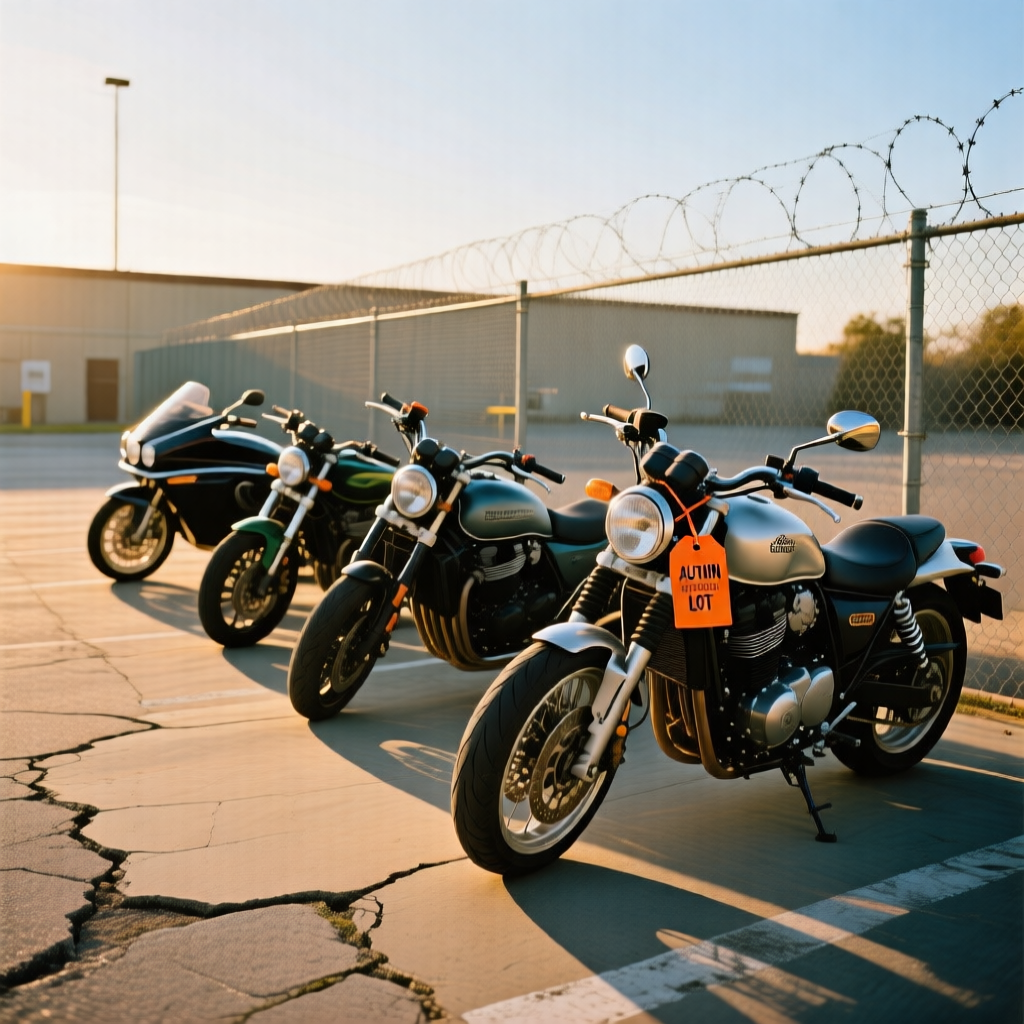
If you've ever wondered how to access these hidden deals, what makes impound bikes different from regular used motorcycles, or how to avoid becoming another cautionary tale, you're in the right place. This guide breaks down everything you need to know about buying police impound motorcycles in 2026.
What Are Police Impound Motorcycles?
Police impound motorcycles are bikes seized by law enforcement for various reasons: outstanding fines, criminal investigations, abandoned property, or traffic violations. Once the legal holds expire and owners don't reclaim them, agencies liquidate these vehicles through auctions to recover costs and clear storage space.
These aren't necessarily damaged or problematic bikes—many are in excellent condition. Some were seized during routine stops, others were recovered from theft cases, and many simply belonged to owners who couldn't pay fines or reclaim their property. The key difference from regular used motorcycles is their history and the auction environment in which they're sold.
Benefits and Limitations of Impound Motorcycles
Key Benefits
- Significant savings: Expect 30-60% discounts compared to private market prices
- Transparent sourcing: Government auctions provide documented vehicle histories
- Variety: Access to diverse brands, models, and years in one place
- Lower competition: Fewer buyers than typical used motorcycle markets
- Inspection opportunities: Most auctions allow pre-auction viewing periods
Important Limitations
- As-is sales: Most auctions offer no warranty or return options
- Limited mechanical history: You may not know full maintenance records
- Hidden damage: Some bikes may have undisclosed issues
- Auction pressure: Competitive bidding can inflate prices unexpectedly
- Immediate payment: Most require full payment within 24-48 hours
Types of Police Impound Motorcycles Available
Seized Criminal Property
These bikes were confiscated during investigations or arrests. They're typically released once legal proceedings conclude. Many are well-maintained since they belonged to owners with means.
Abandoned Vehicles
Motorcycles left at impound lots beyond statutory holding periods become available for auction. These often have storage and processing fees attached.
Traffic Violation Holds
Bikes impounded due to unpaid fines, expired registration, or suspended licenses. Owners have a window to reclaim them; unclaimed bikes go to auction.
Recovered Stolen Property
Bikes recovered from theft cases that owners don't reclaim. These have been verified as legitimate vehicles with clear titles available.
Current Market Trends for 2026
The impound motorcycle market is experiencing notable shifts. More buyers are discovering these auctions through online platforms, increasing competition. However, quality bikes still sell below market rates. Popular models—Harley-Davidson, Honda, Yamaha—attract premium bids, while less common brands offer better value opportunities.
Digital auctions have democratized access, allowing remote bidding from anywhere. This expanded reach means more inventory visibility but also more bidders. Smart buyers are focusing on less trendy models and regional auctions with lower participation.
Essential Features to Evaluate
Mechanical Condition
During pre-auction inspection, listen for engine knocking, check fluid levels, and assess brake responsiveness. Look for rust, corrosion, or signs of water damage—red flags for hidden problems.
Title and Documentation
Verify the title is clear and transferable. Some impound bikes have salvage titles, which affect insurance and resale value. Confirm the VIN matches all documentation.
Mileage and Usage Patterns
High mileage doesn't automatically mean poor condition. Check service records if available. City bikes with moderate mileage often outperform highway bikes with fewer miles.
Cosmetic Condition
Paint, upholstery, and chrome condition indicate overall care. Cosmetic issues are cheaper to fix than mechanical problems, making slightly worn bikes smart buys.
Leading Auction Platforms and Agencies
| Platform/Agency | Coverage Area | Auction Type | Inspection Access |
|---|---|---|---|
| GovDeals | Nationwide | Online bidding | Limited (varies by location) |
| Local Police Departments | Regional | In-person & online | Pre-auction viewing |
| County Sheriff Auctions | County-specific | In-person primarily | Extended viewing periods |
| State Highway Patrol | State-wide | Scheduled auctions | Professional inspections available |
| Federal Surplus Programs | Multi-state | Online bidding | Detailed condition reports |
How to Select the Right Impound Motorcycle
Pre-Auction Research Checklist
- ☐ Research the motorcycle model's common issues and reliability ratings
- ☐ Check current market value for that year, make, and model
- ☐ Review the vehicle's condition report thoroughly
- ☐ Verify title status and any liens or holds
- ☐ Inspect in person if possible; use photos/video if remote
- ☐ Calculate realistic repair costs for visible issues
- ☐ Set a maximum bid price and stick to it
- ☐ Confirm payment and pickup logistics before bidding
Insider Tips for Successful Bidding
Start early: Arrive at auctions early to inspect bikes thoroughly without time pressure. Early inspection often reveals details missed by casual viewers.
Know your limits: Set a maximum bid price based on market value plus realistic repair estimates. Emotion drives bad decisions—discipline wins deals.
Target off-peak auctions: Mid-week auctions in smaller towns attract fewer bidders, creating better opportunities for patient buyers.
Focus on less popular models: While everyone bids on Harleys, quality Japanese bikes often go undervalued. Think strategically about demand.
Inspect the title carefully: A clean, clear title is non-negotiable. Salvage or rebuilt titles require special handling and affect insurance rates.
Have a mechanic on standby: Some auctions allow pre-purchase inspections by certified mechanics. This investment pays dividends in avoiding lemons.
Frequently Asked Questions
Can I get financing for an impound motorcycle?
Most auctions require immediate payment, but some lenders specialize in post-purchase financing for auction vehicles. Plan ahead and secure financing before bidding.
What's the difference between a salvage title and a clean title?
A clean title means the bike has no accident history and is fully insurable. A salvage title indicates the bike was previously totaled by insurance. Salvage bikes are cheaper but harder to insure and resell.
Are impound motorcycles reliable?
Reliability depends on the specific bike and its history. Many are perfectly reliable; others have hidden issues. Thorough inspection is essential. Don't assume condition based on auction source alone.
How do I register an impound motorcycle?
Registration is straightforward if you have a clean title. You'll need the title, proof of purchase, and identification. Some states require inspections for salvage-titled vehicles.
What if the motorcycle doesn't run?
Non-running bikes are typically cheaper but require mechanical expertise or professional repair. Calculate repair costs before bidding. Sometimes a non-runner represents better value than a running bike with hidden problems.
Can I return a bike if it has problems?
Almost never. Impound auctions are final sales, as-is. This is why inspection and due diligence are critical. You're responsible for any issues discovered after purchase.
Post-Purchase Considerations
After winning your bid, plan for immediate transportation and storage. Arrange insurance before pickup—most insurers require proof of ownership. Budget for a professional inspection even if you think the bike is fine. Many buyers discover issues after purchase that could have been caught earlier.
Register your motorcycle promptly and maintain detailed records of all repairs and maintenance. This builds value and provides documentation for future sales.
Conclusion: Your Path to Impound Motorcycle Success
Police impound motorcycles represent genuine opportunities for buyers willing to approach the process strategically. The combination of significant savings, diverse inventory, and transparent sourcing makes these auctions compelling alternatives to traditional used motorcycle markets. However, success requires discipline, research, and honest assessment of your mechanical capabilities and budget.
Start by identifying auctions in your area, attending pre-auction viewings, and building relationships with local agencies. Learn from others' experiences. Set realistic budgets and stick to them. Most importantly, remember that the best deal is the one you don't make—walking away from a questionable bike protects you far better than overpaying for a lemon.
The 2026 impound motorcycle market is more accessible than ever. With the knowledge from this guide, you're equipped to navigate it confidently and find the quality bike you deserve at a price that makes sense. Your dream motorcycle might be waiting at the next auction.