Master microphone selection for any recording environment. Learn essential features, types, and expert strategies to find your perfect audio match in 2026.
The microphone you choose fundamentally shapes your audio quality. Whether you're recording podcasts in a bedroom, capturing live performances, or producing voiceovers in a professional studio, the right microphone makes the difference between amateur and polished sound. With hundreds of models available in 2026, understanding microphone selection requires knowledge of types, specifications, and environmental factors.
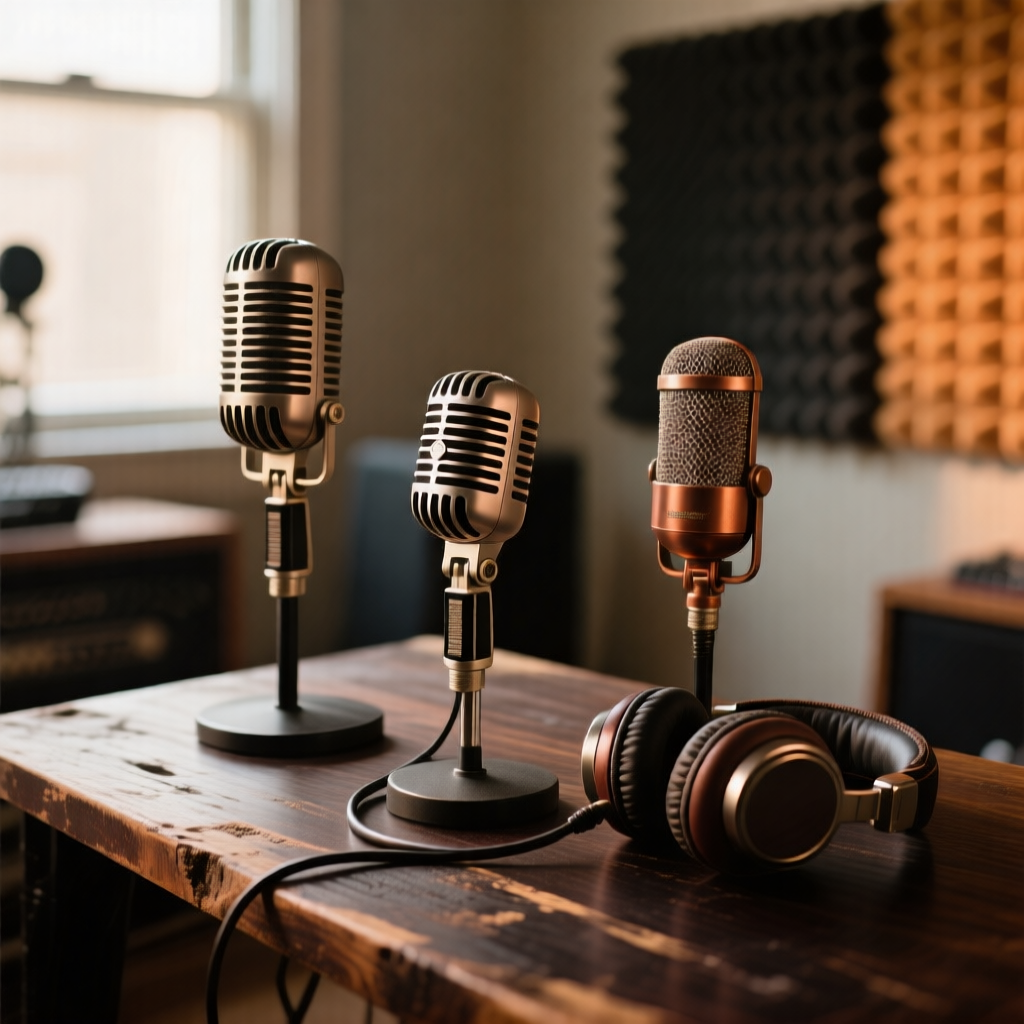
This guide provides the framework you need to make confident decisions. We'll explore microphone technologies, examine how different environments affect performance, analyze current market trends, and deliver actionable selection criteria. By understanding these fundamentals, you'll invest wisely and achieve audio excellence regardless of your recording space.
Benefits and Limitations of Different Microphone Types
Each microphone type offers distinct advantages and constraints. Understanding these trade-offs helps you align equipment with your specific needs and environment.
Dynamic microphones excel in live settings and high-volume environments. They're durable, require minimal setup, and handle feedback well. However, they typically capture less detail than other types and require closer positioning to the sound source. Ideal for stage performances, podcasting with background noise, and voice recording.
Condenser microphones deliver exceptional sensitivity and frequency response detail. They capture subtle nuances perfect for studio vocals, acoustic instruments, and professional voiceovers. The trade-off: they're delicate, require phantom power, and pick up every background noise—including air conditioning hum and keyboard clicks.
Ribbon microphones produce warm, vintage-character sound beloved by engineers and musicians. They're sensitive to proximity and frequency response, offering natural presence without harshness. Limitations include fragility, higher cost, and need for quality preamps to shine.
Lavalier microphones provide hands-free operation ideal for presentations, interviews, and video production. They're compact and discreet. Drawbacks include limited frequency response, sensitivity to clothing rustle, and cable management challenges.
Microphone Types Explained: Finding Your Perfect Match
Understanding microphone categories helps narrow your options based on recording context and desired sound character.
Studio Microphones
Large-diaphragm condensers dominate studio recording. Models like the Neumann U87, Audio-Technica AT4040, and Rode Procaster deliver the clarity and sensitivity professional engineers demand. These microphones excel at capturing vocal performances, acoustic instruments, and detailed voiceovers. They require treated rooms to minimize reflections and background noise.
Podcasting Microphones
Podcasters need microphones balancing sensitivity with background noise rejection. USB-connected options like the Blue Yeti and Audio-Technica AT2020USB+ offer simplicity and quality without requiring audio interfaces. XLR alternatives like the Shure SM7B provide superior sound with more flexibility.
Live Performance Microphones
Stage microphones must handle high sound pressure levels, provide feedback rejection, and survive rigorous touring. The Shure SM58 and Beta 58A remain industry standards for vocals, while instrument-specific options exist for drums, guitar amplifiers, and orchestral recording.
Wireless Microphones
Freedom of movement comes with wireless systems. Modern digital wireless microphones offer improved reliability and reduced interference compared to earlier generations. Applications include live theater, outdoor events, and multi-speaker presentations.
2026 Industry Trends: What's Changing
The microphone market continues evolving with technological advances and changing creator needs.
AI-powered noise reduction is becoming standard in software and some hardware. Real-time processing removes background noise while preserving voice clarity—transforming previously unusable recordings into broadcast-quality audio.
Hybrid recording setups combine multiple microphone types for flexibility. Content creators use lavalier mics for mobility, condenser mics for detail, and dynamic mics for backup—switching based on environment and content type.
Sustainable manufacturing gains importance as creators prioritize eco-conscious brands. Modular designs allowing component replacement reduce e-waste and extend equipment lifespan.
Compact professional-grade options proliferate as remote work and mobile content creation expand. Portable audio interfaces with integrated microphones deliver studio quality in travel-friendly packages.
Spatial audio recording emerges for immersive content. Ambisonic microphones and multi-capsule arrays capture three-dimensional soundscapes for VR content, podcasts, and music production.
Essential Microphone Features and Specifications
Comparing specifications helps identify which microphone suits your environment. Here's what matters:
| Specification | What It Means | Why It Matters |
|---|---|---|
| Frequency Response | Range of frequencies captured (Hz to kHz) | Wider range captures more detail; vocal mics need 50Hz-16kHz |
| Sensitivity | Output level at standard input (dBV/Pa) | Higher sensitivity picks up quieter sounds; useful for distant sources |
| Polar Pattern | Direction from which mic captures sound | Cardioid rejects side/rear noise; omnidirectional captures room ambience |
| Maximum SPL | Loudest sound before distortion | Critical for live sound, drums, and high-volume instruments |
| Impedance | Electrical resistance (measured in ohms) | Must match your audio interface for optimal signal transfer |
| Connectivity | XLR, USB, 3.5mm, or wireless | Determines compatibility with your recording setup |
How Recording Environment Affects Microphone Performance
Your physical space dramatically influences which microphone performs best. Consider these environmental factors:
Home Studios and Bedrooms
Untreated rooms create reflections and standing waves. Cardioid dynamic microphones work better than sensitive condensers here—they reject room noise and require less acoustic treatment. Pair with basic absorption panels behind and beside the microphone.
Professional Studios
Treated acoustic spaces allow condenser microphones to shine. Controlled reflections and minimal background noise let you capture subtle performance nuances. Large-diaphragm condensers deliver the clarity and presence professional work demands.
Outdoor Recording
Wind noise becomes the primary challenge. Windscreens and foam covers are essential. Omnidirectional microphones often perform better outdoors than cardioid models, which can create proximity effect issues in open spaces.
Noisy Environments
Offices, coffee shops, and shared spaces require aggressive noise rejection. Dynamic microphones with tight cardioid patterns minimize ambient sound. Consider lavalier options for mobility and hands-free operation.
Live Venues
Stage microphones must handle high sound pressure levels and provide feedback rejection. Shure SM58-style dynamic microphones are industry standard for vocals; instrument-specific options exist for drums, guitar amps, and keyboards.
Top Microphone Companies and Their 2026 Offerings
Shure continues dominating professional audio with the SM7B (podcasting favorite), KSM series (studio condensers), and wireless systems. Their focus on reliability and sound quality makes them industry standard.
Audio-Technica delivers exceptional value across price points. The AT2020 remains the go-to budget condenser; the AT4040 serves professional studios; the AT2020USB+ bridges home recording and professional quality.
Rode specializes in content creator microphones. The Procaster and Broadcaster serve podcasters; the Wireless GO system revolutionized mobile recording; newer models integrate AI noise reduction.
Neumann represents pinnacle studio quality. Their large-diaphragm condensers (U87, U89) are found in top studios worldwide. Premium pricing reflects uncompromising sound quality.
Blue Microphones focuses on content creators with stylish, user-friendly designs. The Yeti series dominates home recording; newer models add spatial audio and AI features.
Step-by-Step Microphone Selection Process
Follow this framework to confidently choose your microphone:
- Define your primary use: Podcasting, music recording, voiceovers, live performance, or streaming?
- Assess your recording environment: Home studio, professional facility, outdoor location, or noisy space?
- Identify your budget range: Entry-level ($50-150), mid-range ($150-500), or professional ($500+)?
- Determine connectivity needs: USB for simplicity, XLR for flexibility, wireless for mobility?
- Consider your preamp/interface: Do you have quality preamps to maximize microphone potential?
- Evaluate noise rejection requirements: How much background noise can you tolerate?
- Research polar patterns: Do you need cardioid (focused), omnidirectional (ambient), or switchable patterns?
- Read professional reviews: Listen to audio samples from trusted reviewers in your category.
- Check return policies: Can you return if the microphone doesn't suit your environment?
- Test before committing: Borrow or rent similar models to confirm your choice.
Expert Tips for Optimizing Microphone Performance
Positioning matters enormously. Place microphones 6-12 inches from your mouth for vocals, closer for quiet sources, farther for instruments. Experiment to find your optimal distance.
Use pop filters. These inexpensive accessories prevent plosive sounds (p, b, t) from overloading your microphone. Essential for vocal recording and voiceovers.
Invest in shock mounts. Isolating your microphone from vibrations eliminates footsteps, chair movement, and handling noise. Dramatically improves recording quality.
Treat your acoustic environment. Even modest absorption panels behind and beside your microphone reduce reflections. Blankets, bookshelves, and foam panels work surprisingly well.
Monitor your levels. Keep input levels around -12 to -6 dB to avoid clipping while maintaining signal strength. This prevents distortion and maximizes dynamic range.
Use quality cables and connectors. Poor connections introduce noise and signal loss. Invest in shielded XLR cables and secure connections.
Maintain your microphone. Keep it clean, store in protective cases, and avoid dropping or exposing to extreme temperatures. Proper care extends lifespan and maintains sound quality.
Microphone Selection Checklist
Before purchasing, verify these criteria:
- ☐ Primary use case clearly defined
- ☐ Recording environment assessed for noise and acoustics
- ☐ Budget range established
- ☐ Connectivity type matches your setup
- ☐ Frequency response suits your content type
- ☐ Polar pattern addresses your noise rejection needs
- ☐ Maximum SPL handles your sound sources
- ☐ Sensitivity appropriate for your preamp
- ☐ Professional reviews confirm sound quality
- ☐ Return policy allows testing period
- ☐ Accessories (pop filter, shock mount, cables) budgeted
- ☐ Warranty and support available
Frequently Asked Questions About Microphone Selection
What's the difference between XLR and USB microphones?
USB microphones connect directly to computers with built-in preamps—perfect for beginners and content creators. XLR microphones require audio interfaces but offer superior sound quality, flexibility, and professional-grade options. Choose USB for simplicity, XLR for quality and expandability.
Do I need phantom power for all microphones?
Only condenser and ribbon microphones require phantom power (typically 48V). Dynamic microphones don't need it. Check your microphone's specifications and ensure your audio interface provides phantom power if needed.
How important is frequency response for my use case?
Very important. Vocal microphones need 50Hz-16kHz; instrument mics vary by source; podcast mics prioritize speech clarity (300Hz-3kHz). Matching frequency response to your content ensures optimal sound character and reduces post-production EQ work.
Can I use a studio microphone for live performance?
Not typically. Studio condensers are delicate and feedback-prone on stage. Live microphones are designed for high sound pressure levels and feedback rejection. Use the right tool for your environment.
What polar pattern should I choose?
Cardioid is most versatile—it captures front sound while rejecting sides and rear. Omnidirectional captures room ambience; use when you want environmental character. Supercardioid provides tighter rejection for noisy environments. Most creators start with cardioid.
How much should I spend on a microphone?
Entry-level creators: $100-300. Serious hobbyists: $300-800. Professionals: $800+. However, a $200 microphone in a treated room outperforms a $2000 microphone in a noisy, untreated space. Environment matters more than price.
Do expensive microphones always sound better?
Not necessarily. Premium microphones offer superior build quality, reliability, and subtle sonic characteristics. But a $300 Audio-Technica AT2020 often sounds better than a $1500 microphone in the wrong environment or application. Match the tool to the task.
Conclusion: Your Path to Perfect Audio
Choosing the right microphone transforms your audio from amateur to professional. By understanding microphone types, evaluating essential specifications, assessing your recording environment, and following our selection framework, you'll invest confidently in equipment that serves your creative vision.
Remember: the best microphone is the one that matches your specific needs, environment, and budget. Don't chase brand names or highest prices—focus on how a microphone performs in your actual recording space with your actual content type.
Start with our selection checklist, research models in your budget range, read professional reviews with audio samples, and when possible, test before committing. Your future recordings—and your audience—will thank you for making this thoughtful investment in audio quality.
The 2026 microphone market offers unprecedented options for every creator, from bedroom podcasters to professional studios. Use this guide as your roadmap, trust the selection process, and record with confidence knowing you've chosen the right tool for your audio journey.