Discover how to navigate auto parts trading websites effectively and find quality components for your vehicle. Learn insider tips to save time and money.
Finding the right auto parts shouldn't feel like searching for a needle in a haystack. Whether you're restoring a classic car, maintaining your daily driver, or running a professional repair shop, auto parts trading websites have transformed how we source components. These digital marketplaces connect buyers and sellers globally, offering unprecedented access to new, used, and refurbished parts. But navigating them successfully requires strategy, knowledge, and the right approach. This comprehensive guide will equip you with everything you need to become a savvy buyer on these platforms.
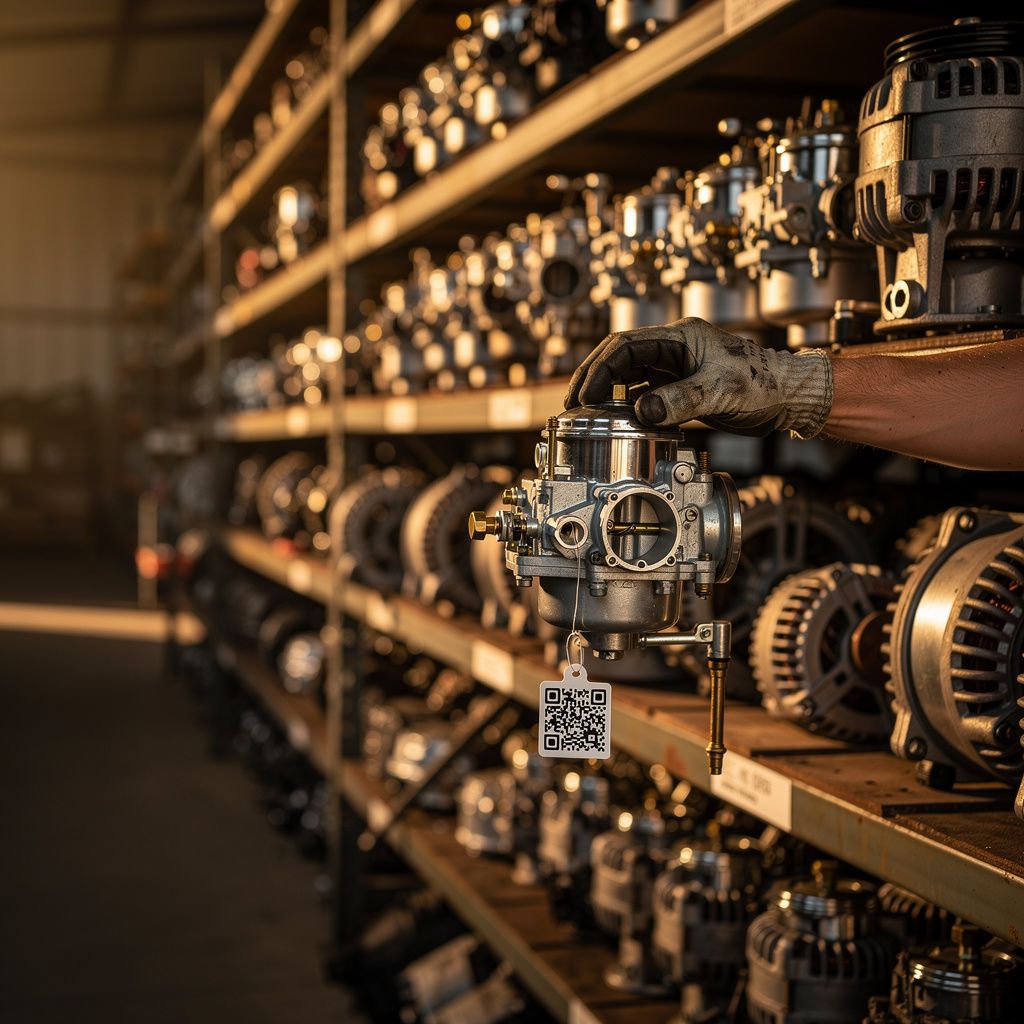
Understanding Auto Parts Trading Websites
Auto parts trading websites are digital platforms where individuals and businesses buy, sell, and trade vehicle components. They function as marketplaces connecting sellers with buyers across geographical boundaries. These platforms range from specialized automotive exchanges to general marketplaces that include automotive categories. The fundamental appeal is simple: access to a vast inventory at competitive prices, often with direct seller-to-buyer relationships that eliminate middlemen.
The ecosystem includes several types of participants. Professional dealers maintain large inventories of new and used parts. Individual sellers offer components from their own vehicles or small collections. Refurbishment specialists source damaged parts, restore them, and resell them at reduced prices. Salvage yards use these platforms to move inventory efficiently. Each participant type brings different advantages and considerations to the buying experience.
Benefits and Limitations of These Platforms
The advantages of auto parts trading websites are substantial. Cost savings are often the primary benefit—used and refurbished parts typically cost 40-70% less than new alternatives. Selection is another major advantage. Instead of being limited to what your local parts store stocks, you access thousands of options globally. Convenience matters too. You can browse, compare, and purchase from home without visiting multiple physical locations. Many platforms offer detailed product information, seller ratings, and buyer protection policies that build confidence in transactions.
However, limitations exist. Quality consistency varies significantly between sellers. Shipping costs can offset savings, especially for heavy components. Return policies differ across platforms, and some sellers offer limited recourse. Authenticity concerns arise with popular components—counterfeit parts do exist in some categories. Delivery times may be longer than local purchases, which matters if you need parts urgently. Understanding these tradeoffs helps you make informed decisions about when these platforms make sense for your needs.
Types of Auto Parts Trading Websites
Auto parts trading platforms fall into several categories, each serving different needs:
- Specialized Marketplaces: Platforms dedicated exclusively to automotive parts, offering deep expertise and targeted communities of buyers and sellers.
- General Marketplaces: Broader platforms with automotive categories alongside other merchandise, offering wider reach but less specialization.
- Salvage Networks: Platforms connecting salvage yards and dismantlers, ideal for finding rare or discontinued components.
- OEM Direct Platforms: Official channels from manufacturers and authorized distributors, guaranteeing authenticity but typically at higher prices.
- Peer-to-Peer Exchanges: Community-driven platforms where individual owners trade parts directly, often featuring local pickup options.
- Auction-Based Sites: Platforms using bidding systems, potentially offering deals but requiring active participation and timing awareness.
Current Trends in Auto Parts Trading
The auto parts trading landscape continues evolving. Digital transparency has become standard—detailed photos, condition ratings, and seller histories are now expected. Mobile optimization is critical, with most transactions occurring through smartphone apps. Sustainability trends are rising, with more buyers seeking refurbished and recycled components to reduce environmental impact. Certification programs are expanding, helping buyers identify trustworthy sellers and verified authentic parts. Blockchain technology is emerging in some platforms to verify part authenticity and ownership history. Integration with repair shops and mechanics is increasing, allowing professionals to source parts directly while offering customers verified options.
Essential Features to Look For
When evaluating auto parts trading websites, certain features significantly impact your experience:
- Detailed Search Filters: Ability to narrow results by vehicle year, make, model, condition, and price range.
- Comprehensive Product Information: Multiple high-quality photos, condition descriptions, compatibility details, and warranty information.
- Seller Ratings and Reviews: Transparent feedback systems showing seller reliability, shipping speed, and customer satisfaction.
- Buyer Protection Programs: Guarantees covering authenticity, condition accuracy, and refund policies if items don't match descriptions.
- Secure Payment Options: Multiple payment methods with fraud protection and dispute resolution processes.
- Communication Tools: Direct messaging with sellers to ask questions before purchasing.
- Shipping Integration: Clear shipping costs, tracking options, and delivery timeframes displayed upfront.
- Return and Warranty Policies: Clear guidelines for returns, refunds, and any warranties offered.
Major Platforms and Their Strengths
Several platforms dominate the auto parts trading space, each with distinct advantages. Specialized automotive marketplaces offer deep expertise and targeted communities but may have smaller inventories than general platforms. General marketplaces provide massive selection and competitive pricing through high volume but require more careful vetting of sellers. Salvage networks excel at finding rare, discontinued, or hard-to-locate components for older vehicles. OEM platforms guarantee authenticity and compatibility but typically command premium prices. Peer-to-peer networks offer community connections and local pickup benefits but require more time investment in communication. Auction-based platforms can yield exceptional deals for patient buyers willing to actively participate in bidding.
How to Select the Right Platform for Your Needs
Choosing the best platform depends on several factors. Consider what you're looking for—common parts are widely available everywhere, but rare or specialized components may only appear on specific platforms. Evaluate your timeline. If you need parts urgently, platforms with local inventory and fast shipping matter more than those with the absolute lowest prices. Assess your comfort level with the buying process. Auction sites require active participation, while fixed-price marketplaces offer straightforward transactions. Consider your vehicle type. Platforms specializing in your vehicle category (classic cars, trucks, imports, domestic) often have better inventory and seller expertise. Review seller ratings and platform policies carefully. Platforms with strong buyer protection and transparent feedback systems reduce risk significantly.
Practical Tips for Successful Purchases
Maximize your success on auto parts trading websites with these proven strategies:
- Verify Compatibility: Always confirm the part fits your specific vehicle year, make, model, and engine type before purchasing.
- Examine Photos Carefully: Look beyond main images to detail shots showing condition, wear, and any damage or imperfections.
- Read Descriptions Thoroughly: Note condition ratings, any defects mentioned, included components, and warranty details.
- Check Seller History: Review ratings, feedback comments, and response times. Look for patterns in customer satisfaction.
- Ask Questions: Contact sellers about condition specifics, compatibility concerns, or missing information before committing.
- Compare Prices: Check multiple listings for the same part to understand market pricing and identify outliers.
- Understand Shipping: Factor shipping costs into your total price comparison. Some sellers offer free shipping on higher purchases.
- Document Everything: Take screenshots of listings, save seller communications, and keep receipts for warranty and dispute purposes.
- Start Small: If new to a platform or seller, begin with lower-value purchases to build confidence and verify reliability.
- Inspect Upon Arrival: Immediately examine received parts for condition accuracy and functionality before finalizing transactions.
Comparison Table: Platform Types Overview
| Platform Type | Best For | Price Range | Selection | Shipping Speed |
|---|---|---|---|---|
| Specialized Marketplaces | Enthusiasts & professionals | Competitive | Excellent | Moderate |
| General Marketplaces | Common parts seekers | Very competitive | Massive | Fast |
| Salvage Networks | Rare/discontinued parts | Budget-friendly | Specialized | Slow |
| OEM Direct | Authenticity priority | Premium | Complete | Fast |
| Peer-to-Peer | Local transactions | Variable | Limited | Immediate |
| Auction-Based | Deal hunters | Lowest | Good | Moderate |
Frequently Asked Questions
Are refurbished parts from trading websites reliable?
Refurbished parts can be excellent value when sourced from reputable sellers. Quality depends heavily on the refurbishment process and seller expertise. Look for sellers offering warranties on refurbished items and check their feedback specifically mentioning refurbished parts. Many professional refurbishment specialists have higher reliability ratings than casual sellers.
How do I verify that parts are authentic and not counterfeit?
Request detailed photos showing manufacturer markings, serial numbers, and packaging. Ask sellers about their sourcing—reputable dealers can explain where parts come from. Check for OEM certification badges on platforms that offer them. Be cautious of prices significantly below market rates, which sometimes indicate counterfeit products. For critical components, consider OEM-direct platforms despite higher costs.
What should I do if a part arrives damaged or doesn't match the description?
Document the condition immediately with photos and videos. Contact the seller within the specified timeframe (usually 7-14 days) with evidence. Most reputable platforms have dispute resolution processes. Provide clear communication and evidence. Be prepared to return the item if the seller requests it. Use platform-provided dispute tools rather than just messaging, as they provide official documentation.
How can I avoid overpaying for shipping on auto parts?
Compare total costs including shipping across multiple listings. Some sellers offer free shipping on orders above certain amounts—buying multiple parts together can save significantly. Check if local pickup is available, eliminating shipping entirely. Look for sellers in your region when possible. For heavy parts, compare shipping costs as percentage of part cost; sometimes a slightly more expensive part with cheaper shipping is better overall.
Is it safe to buy from individual sellers versus professional dealers?
Both can be safe with proper precautions. Professional dealers typically offer more consistent quality and established return policies. Individual sellers often provide better prices and may have unique inventory. The key is evaluating feedback, ratings, and communication responsiveness regardless of seller type. Platforms with strong buyer protection programs reduce risk significantly. Start with smaller purchases to assess reliability.
What's the typical timeline for receiving parts from trading websites?
Timelines vary significantly. Local peer-to-peer transactions can be immediate. Standard shipping typically takes 5-14 days depending on distance. International orders may take 2-4 weeks. Expedited shipping options are available on many platforms but add cost. Always check estimated delivery dates before purchasing if timeline matters for your project.
Conclusion
Auto parts trading websites have democratized access to vehicle components, offering unprecedented selection and value. Success on these platforms comes from understanding the different marketplace types, knowing what features matter most, and applying strategic purchasing practices. Whether you're a DIY enthusiast tackling your first project or a professional mechanic sourcing inventory, these platforms offer solutions tailored to your needs. Start by identifying which platform type aligns with your priorities—price, speed, selection, or authenticity. Take time to evaluate sellers based on ratings and feedback. Ask questions before purchasing. Document transactions carefully. As you gain experience, you'll develop intuition about which sellers and platforms work best for your specific needs. The result is significant savings, access to parts you couldn't find locally, and the confidence that comes from making informed purchasing decisions in the digital automotive marketplace.