Learn practical strategies for planning affordable trips, finding low-cost flights, and choosing budget-friendly hostels. Explore money-saving tips for travelers on any budget.
Planning an affordable trip requires strategy, research, and flexibility. Budget travel has become increasingly accessible thanks to online booking platforms, budget airlines, and alternative accommodation options like hostels. Whether you're saving for your first international adventure or looking to extend your travel experiences, understanding how to find cheap flights, book budget accommodations, and plan cost-effective itineraries transforms your travel dreams into reality. This guide explores practical approaches to budget travel planning that help you maximize experiences while minimizing expenses.
Understanding Budget Travel Fundamentals
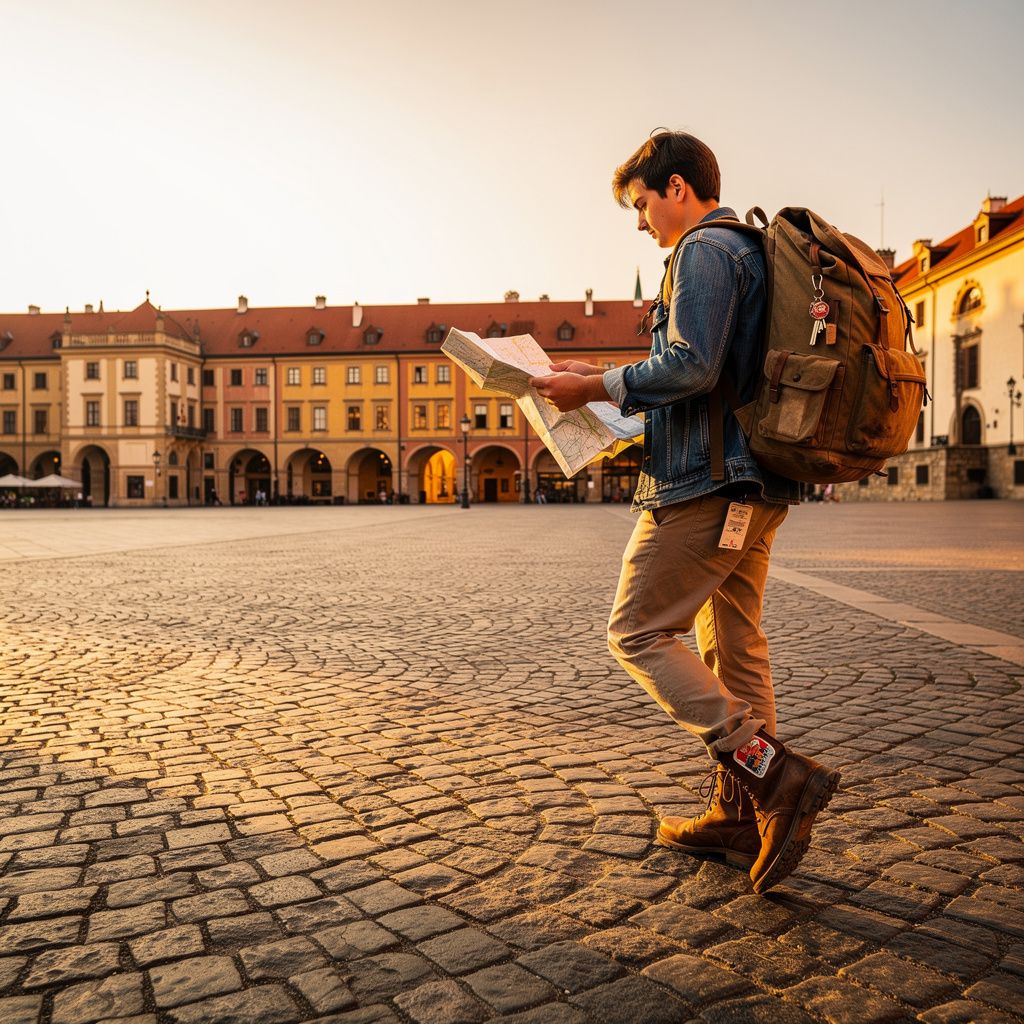
Budget travel encompasses more than just finding the lowest prices. It involves making strategic choices about when, where, and how you travel. Successful budget travelers understand that flexibility is key to unlocking savings. This might mean adjusting travel dates to avoid peak seasons, choosing less-visited destinations, or being open to unexpected opportunities. The foundation of budget travel rests on three pillars: affordable transportation, economical accommodations, and strategic spending on experiences.
Benefits and Limitations of Budget Travel
Key Benefits
- Extended travel duration by stretching your budget further
- Opportunity to visit multiple destinations on a single trip
- Authentic connections with local communities and fellow travelers
- Development of resourcefulness and problem-solving skills
- Freedom to travel more frequently throughout the year
- Discovery of hidden gems and less commercialized attractions
Important Limitations
- Reduced comfort compared to luxury travel options
- Limited flexibility once bookings are made
- Potential for longer travel times and more transfers
- Basic amenities in budget accommodations
- Time investment required for research and planning
- Seasonal availability and booking constraints
Types of Budget Accommodations
Hostels
Hostels represent one of the most popular budget accommodation options globally. These facilities offer dormitory-style rooms with shared bathrooms, creating opportunities for social interaction among travelers. Many hostels provide common areas, kitchens, and organized activities, enhancing the social travel experience. Quality varies significantly between hostels, with some offering modern amenities and others providing basic facilities.
Guesthouses and Budget Hotels
Budget hotels and guesthouses offer private rooms at lower rates than mid-range establishments. These accommodations typically provide basic amenities and are suitable for travelers seeking privacy without premium pricing. Many family-run guesthouses offer personalized service and local insights.
Alternative Accommodations
House-sharing platforms, homestays, and apartment rentals provide additional budget options. These alternatives often include kitchen facilities, allowing travelers to prepare meals and reduce dining expenses. Longer stays typically qualify for discounted rates.
Finding Low-Cost Flights
Flight Booking Strategies
Timing significantly impacts flight prices. Booking flights 6-8 weeks in advance typically offers better rates than last-minute purchases. Midweek flights generally cost less than weekend departures. Using flight comparison tools helps identify price trends and optimal booking windows. Setting up price alerts enables you to monitor fares and book when prices drop.
Budget Airline Considerations
Budget airlines offer significantly reduced fares compared to full-service carriers. Understanding their policies regarding baggage allowances, seat selection, and additional fees helps you calculate true travel costs. Many budget airlines charge separately for checked luggage, seat assignments, and other services included with traditional carriers.
Alternative Routes and Connections
Flying into secondary airports rather than major hubs often results in lower fares. Connecting flights typically cost less than direct routes, though they require additional travel time. Being flexible with your routing and willing to accept longer journeys opens more affordable options.
Current Budget Travel Trends
The budget travel landscape continues evolving with digital innovation. Mobile applications now provide real-time price comparisons, instant booking capabilities, and travel planning tools. Sustainable travel practices increasingly influence budget travelers' choices, with eco-friendly accommodations and responsible tourism gaining popularity. Digital nomadism has created new budget accommodation models and extended-stay discounts. Social media communities connect budget travelers, sharing experiences and recommendations that guide planning decisions.
Essential Features of Budget Travel Planning
| Planning Element | Key Considerations | Money-Saving Impact |
|---|---|---|
| Destination Selection | Cost of living, seasonality, visa requirements | High - varies significantly by location |
| Travel Timing | Off-season vs peak season, weather patterns | High - seasonal pricing affects all costs |
| Transportation | Flight booking, local transit, walking routes | High - largest expense category |
| Accommodation | Hostel vs hotel, location, length of stay | High - significant daily expense |
| Food and Dining | Local markets, cooking, street food, restaurants | Medium - controllable through choices |
| Activities | Free attractions, walking tours, local experiences | Medium - varies by destination |
Budget Travel Platforms and Resources
Numerous platforms facilitate budget travel planning. Flight comparison websites aggregate prices from multiple airlines, enabling quick price comparison. Accommodation booking platforms offer filters for budget options and user reviews. Travel forums and community websites provide peer recommendations and real experiences. Budget travel blogs share detailed itineraries, cost breakdowns, and practical tips from experienced travelers. Mobile applications streamline booking processes and provide offline access to important travel information.
Practical Tips for Maximizing Your Budget
Pre-Trip Planning Checklist
- Research destination costs and seasonal pricing patterns
- Set realistic daily budget based on destination
- Book flights 6-8 weeks in advance when possible
- Compare accommodation options and read recent reviews
- Identify free attractions and activities
- Plan transportation routes and costs
- Check visa requirements and associated fees
- Set up price alerts for flights and accommodations
- Create detailed itinerary with backup options
- Budget for travel insurance and emergency funds
During-Trip Money-Saving Strategies
Cooking meals in hostel kitchens significantly reduces food expenses compared to dining out. Utilizing public transportation, walking, and cycling reduces transportation costs. Seeking free walking tours, museum free hours, and natural attractions provides experiences without entrance fees. Purchasing groceries from local markets supports communities while saving money. Connecting with other travelers enables shared experiences and cost-splitting opportunities.
Frequently Asked Questions
What is the average daily budget for budget travel?
Daily budgets vary significantly by destination. Southeast Asian countries average 25-40 USD daily, while Central America ranges from 35-50 USD. Eastern Europe costs 30-50 USD, and Western Europe typically requires 50-80 USD or more. These estimates include accommodation, food, local transportation, and basic activities. Your actual spending depends on personal preferences, accommodation choices, and activity selections.
How far in advance should I book flights for budget prices?
Research suggests booking 6-8 weeks in advance typically offers optimal pricing. However, this varies by route, season, and airline. Setting up price alerts allows you to monitor fares and book when prices drop to your target range. Last-minute bookings sometimes offer deals, but availability becomes limited. Flexibility with travel dates often yields better prices than booking specific dates.
Are hostels safe for solo travelers?
Hostels generally provide safe environments with security measures including lockers, key card access, and staff presence. Solo travelers often choose hostels specifically for social opportunities and built-in community. Reading recent reviews helps identify well-maintained facilities with positive security records. Trusting your instincts about specific properties and taking standard travel precautions ensures safe experiences.
What hidden costs should I anticipate in budget travel?
Budget airlines charge for baggage, seat selection, and other services. Accommodation may include additional fees for WiFi, lockers, or linens. Visa applications involve processing fees. Travel insurance protects against unexpected expenses. Activities sometimes require entrance fees or guide tips. Currency exchange fees apply to international transactions. Anticipating these costs prevents budget surprises and allows accurate planning.
How can I find the cheapest flights?
Using flight comparison websites aggregates prices from multiple airlines simultaneously. Setting up price alerts notifies you of price drops. Booking midweek flights typically costs less than weekends. Flying into secondary airports reduces fares. Being flexible with travel dates and times unlocks better pricing. Considering budget airlines alongside traditional carriers expands options. Booking 6-8 weeks in advance generally provides better rates than shorter timeframes.
What should I pack for budget travel?
Packing light reduces baggage fees with budget airlines. Versatile clothing suitable for various weather conditions minimizes the need for excessive items. Quick-dry fabrics enable frequent washing in hostel facilities. Bringing reusable water bottles, eating utensils, and containers reduces purchasing costs. Essential toiletries and medications prevent expensive replacements. A universal power adapter and charging cables are crucial. Comfortable walking shoes are essential for budget travel involving extensive exploration.
Conclusion
Budget travel opens doors to global exploration without requiring substantial financial resources. By understanding flight booking strategies, evaluating accommodation options, and implementing cost-conscious planning, you create opportunities for meaningful travel experiences. The key to successful budget travel lies in flexibility, research, and strategic decision-making. Whether choosing hostels for social connections, booking budget airlines for affordable transportation, or selecting off-season travel dates, each decision contributes to your overall budget management. Budget travel isn't about deprivation; it's about prioritizing experiences over luxury and making intentional choices aligned with your values and financial goals. With proper planning and realistic expectations, budget travel delivers authentic connections, personal growth, and unforgettable memories while maintaining financial responsibility.