Discover why solar garden lights are revolutionizing outdoor spaces. Learn the benefits, types, and expert tips to illuminate your backyard sustainably and beautifully.
Your backyard is more than just an outdoor space—it's an extension of your home, a sanctuary for relaxation, and a gathering place for loved ones. Yet many homeowners struggle to create the perfect ambiance while managing energy costs and environmental concerns. Solar garden lights have emerged as the elegant solution that transforms how we illuminate and experience our outdoor spaces. These innovative fixtures combine cutting-edge solar technology with timeless design, offering homeowners a sustainable way to enhance their gardens without compromising on style or functionality.
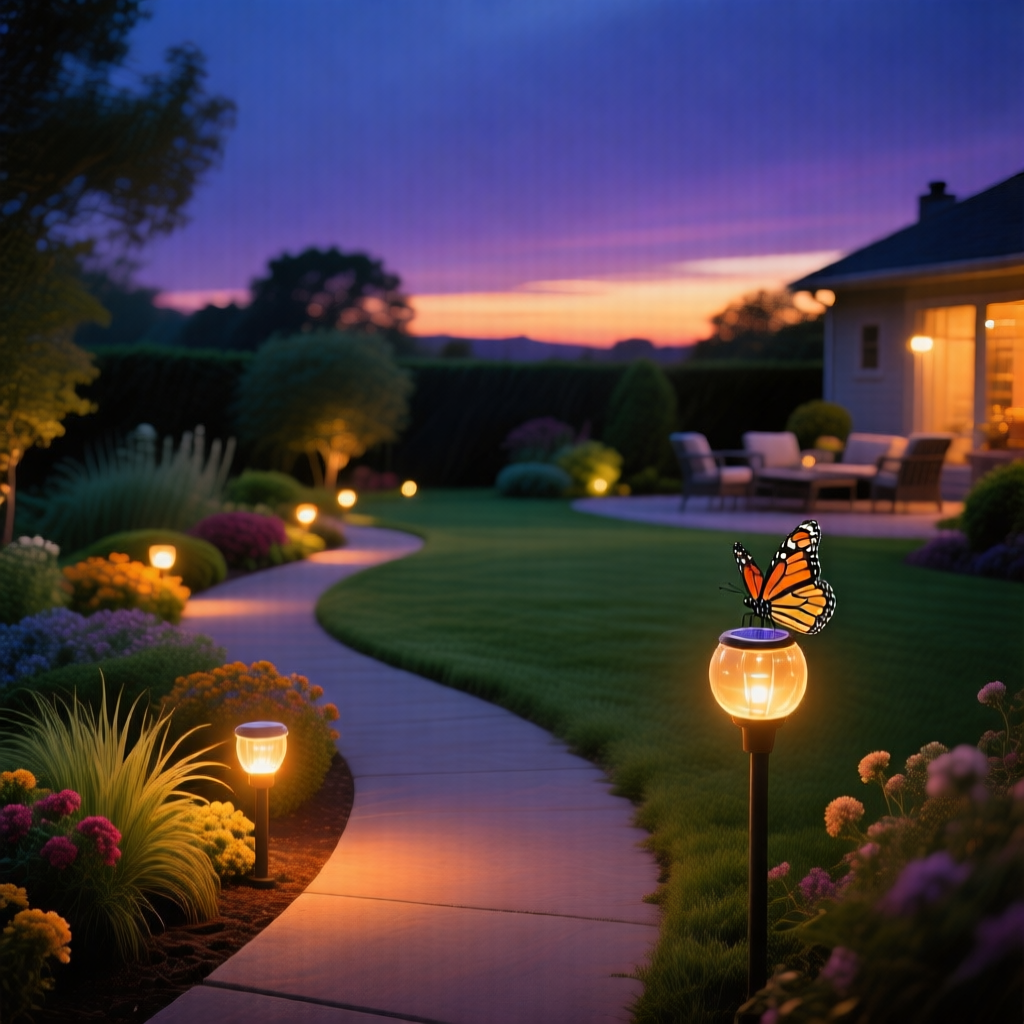
Why Solar Garden Lights Are Becoming Essential
The shift toward solar garden lighting represents more than just a trend—it's a fundamental change in how homeowners approach outdoor design and sustainability. Solar lights harness the sun's energy during the day and automatically illuminate your garden at night, requiring zero electricity from your home's grid. This means lower energy bills, reduced carbon footprint, and complete independence from traditional power sources.
Beyond the environmental benefits, solar garden lights offer unparalleled convenience. There's no complicated wiring, no electrician required, and no ongoing maintenance costs. Simply place them in sunny spots, and they work automatically with built-in sensors that detect darkness. This plug-and-play approach has democratized outdoor lighting, making professional-looking gardens accessible to everyone.
Key Benefits and Limitations
Understanding both the advantages and limitations helps you make informed decisions about solar garden lighting for your specific needs.
Benefits You'll Experience
- Cost Savings: Eliminate electricity costs for outdoor lighting while enjoying years of reliable performance
- Environmental Impact: Reduce your carbon footprint by choosing renewable solar energy over grid electricity
- Easy Installation: No wiring, digging, or professional installation required—place and enjoy
- Safety Enhancement: Illuminate pathways, stairs, and garden areas to prevent accidents and increase security
- Design Flexibility: Available in countless styles from modern minimalist to vintage-inspired designs
- Low Maintenance: Minimal upkeep with occasional cleaning of solar panels for optimal performance
- Automatic Operation: Sensors automatically turn lights on at dusk and off at dawn
Limitations to Consider
- Weather Dependent: Cloudy days and winter months may reduce charging efficiency and brightness
- Initial Brightness: Solar lights typically offer less brightness than wired electric options
- Battery Lifespan: Rechargeable batteries degrade over time and may need replacement after 2-3 years
- Placement Constraints: Require adequate sunlight exposure during the day for effective nighttime performance
- Limited Brightness Duration: Battery capacity determines how long lights stay on throughout the night
Types of Solar Garden Lights
The solar lighting market offers diverse options to suit different aesthetic preferences and functional needs. Understanding each type helps you create a cohesive outdoor lighting design.
Popular Solar Light Categories
| Light Type | Best Use Case | Typical Features | Brightness Level |
|---|---|---|---|
| Path Lights | Walkways, garden edges | Stake-mounted, compact | Low to Medium |
| Spotlights | Feature plants, artwork | Adjustable angles, focused beam | Medium to High |
| String Lights | Patios, pergolas, decks | Festive ambiance, multiple bulbs | Low (ambient) |
| Lanterns | Tables, hanging displays | Decorative, portable | Low to Medium |
| Flood Lights | Security, large areas | Motion sensors, high output | High |
| Deck Lights | Steps, railings, surfaces | Recessed or surface-mounted | Low to Medium |
Latest Technology Trends in Solar Lighting
The solar lighting industry continues to innovate, introducing features that enhance performance, aesthetics, and user experience. Staying informed about these trends helps you choose lights that will remain relevant and functional for years to come.
Emerging Technologies Reshaping the Market
- Advanced LED Efficiency: New LED chips produce brighter light while consuming less power, extending battery life
- Smart Integration: WiFi-enabled solar lights that connect to mobile apps for scheduling and remote control
- Improved Battery Chemistry: Lithium-ion and upgraded NiMH batteries offer longer lifespans and better performance in cold weather
- Motion Sensor Technology: Enhanced PIR sensors detect movement more accurately while reducing false triggers
- Color-Changing Options: RGB solar lights that shift colors for mood lighting and special occasions
- Hybrid Systems: Combination solar and plug-in options that provide flexibility in various weather conditions
Essential Features to Look For
When selecting solar garden lights, certain features significantly impact performance, durability, and satisfaction. Prioritizing these characteristics ensures you invest in lights that deliver lasting value.
Critical Selection Checklist
- ☑ High-quality solar panel with at least 0.5W capacity for reliable charging
- ☑ Durable construction with IP65 or higher water-resistance rating
- ☑ Long-lasting LED bulbs rated for 50,000+ hours of operation
- ☑ Rechargeable battery with 1000+ charge cycle rating
- ☑ Automatic dusk-to-dawn sensor for hands-free operation
- ☑ Adjustable brightness settings or dimming capabilities
- ☑ Weather-resistant materials suitable for your climate
- ☑ Manufacturer warranty of at least 2 years
- ☑ Easy installation without tools or special skills required
- ☑ Aesthetic design that complements your outdoor décor
Top Solar Light Solutions and Brands
While numerous manufacturers produce solar garden lights, certain companies have earned reputations for reliability, innovation, and customer satisfaction. These brands consistently deliver quality products that enhance outdoor spaces.
Leading Options in the Market
- Premium Performance Brands: Focus on advanced technology, extended warranties, and superior brightness output for discerning homeowners
- Budget-Friendly Options: Offer solid functionality and attractive designs at accessible price points for budget-conscious buyers
- Design-Focused Manufacturers: Prioritize aesthetic appeal with styles ranging from contemporary to traditional designs
- Smart Technology Leaders: Specialize in connected solar lights with app control and advanced automation features
- Eco-Conscious Brands: Emphasize sustainable manufacturing practices and recyclable materials
How to Select the Right Solar Lights for Your Space
Choosing the perfect solar lights involves assessing your specific needs, space characteristics, and aesthetic preferences. A thoughtful approach ensures you select fixtures that deliver both functional and visual satisfaction.
Step-by-Step Selection Process
- Assess Your Space: Measure your garden, identify pathways, and determine areas needing illumination
- Evaluate Sunlight Exposure: Observe which areas receive 6+ hours of direct sunlight daily for optimal solar charging
- Define Your Purpose: Determine if you need ambient lighting, task lighting, security, or decorative effects
- Consider Your Style: Choose designs that complement your home's architecture and garden aesthetic
- Check Weather Conditions: Select lights rated for your climate's temperature range and precipitation levels
- Calculate Quantity: Estimate the number of lights needed based on space size and desired brightness
- Review Specifications: Compare brightness (lumens), battery capacity, and charging time across options
- Read Customer Reviews: Learn from real-world experiences about durability, performance, and longevity
- Test and Adjust: Start with a few lights, observe performance, then expand your installation
Expert Tips for Maximizing Solar Light Performance
Installing and maintaining solar lights properly ensures they perform optimally throughout their lifespan. These expert recommendations help you get the most from your investment.
Optimization Strategies
- Position for Maximum Sun: Place solar panels where they receive unobstructed sunlight throughout the day, avoiding shadows from trees or buildings
- Clean Regularly: Wipe solar panels monthly to remove dust, pollen, and debris that reduce charging efficiency
- Seasonal Adjustments: Reposition lights seasonally to account for changing sun angles and optimize performance
- Battery Maintenance: Replace batteries every 2-3 years or when you notice reduced brightness duration
- Strategic Grouping: Cluster similar lights together for cohesive visual impact and easier maintenance
- Layered Lighting Design: Combine different light types to create depth, ambiance, and functional illumination
- Weatherproofing: Apply protective coatings to extend durability in harsh climates
- Winter Preparation: Clear snow and ice from panels to maintain charging efficiency during darker months
Frequently Asked Questions About Solar Garden Lights
How long do solar garden lights last?
Quality solar lights typically last 3-5 years before requiring battery replacement. LED bulbs can function for 50,000+ hours, often outlasting the battery. The solar panel itself can remain functional for 10+ years with proper maintenance. Durability depends on weather exposure, maintenance frequency, and product quality.
Do solar lights work on cloudy days?
Yes, solar lights charge on cloudy days, though less efficiently than in direct sunlight. Modern solar panels can capture diffuse light, but cloudy conditions reduce charging capacity by 25-50%. This means shorter nighttime operation or dimmer brightness. For consistently cloudy climates, choose lights with larger solar panels and higher battery capacity.
What's the difference between solar lights and regular outdoor lights?
Solar lights are completely independent, requiring no electrical wiring or grid connection. They charge during the day and illuminate at night automatically. Regular outdoor lights require electrical installation and ongoing electricity costs. Solar lights offer convenience and sustainability, while traditional lights provide more consistent brightness and longer operating hours.
Can I use solar lights in shaded areas?
Solar lights require 6+ hours of direct sunlight daily for optimal performance. Shaded areas receive insufficient light for proper charging. However, you can place the solar panel in a sunny location while running a wire to lights in shaded areas, or choose hybrid systems that combine solar with plug-in options for maximum flexibility.
How bright are solar garden lights compared to electric lights?
Modern solar lights typically produce 50-200 lumens, compared to 300-1000+ lumens for traditional outdoor lights. This makes solar lights ideal for ambient and decorative lighting but less suitable for security or task lighting in large areas. For brighter illumination, choose solar spotlights or flood lights, or combine multiple solar fixtures.
What maintenance do solar lights require?
Solar lights require minimal maintenance: clean solar panels monthly, replace batteries every 2-3 years, and check for weather damage seasonally. Most lights are sealed and weatherproof, requiring no additional care. Proper placement in sunny locations and occasional cleaning maximize performance and lifespan.
Conclusion: Embrace the Solar Garden Light Revolution
Solar garden lights represent a transformative shift in how we design, illuminate, and experience outdoor spaces. They combine environmental responsibility with practical functionality and aesthetic appeal, making them an essential investment for modern homeowners. From enhancing safety and security to creating magical ambiance for evening gatherings, solar lights deliver tangible benefits that extend far beyond simple illumination.
The technology has matured dramatically, offering diverse styles and advanced features that rival traditional lighting solutions. Whether you're a sustainability enthusiast, a design-conscious homeowner, or simply someone seeking convenient outdoor lighting, solar garden lights provide the perfect solution. By understanding the benefits, exploring available options, and following expert installation and maintenance practices, you can transform your backyard into a beautifully illuminated sanctuary that reflects your values and enhances your lifestyle. The future of outdoor lighting is solar—and it's brighter than ever.