Korean skincare has gained international attention for its emphasis on gentle cleansing, hydration, consistent skin care, and protection from environmental factors. Often associated with K-beauty, this approach includes a variety of products designed to support the skin's natural barrier and maintain a comfortable, healthy-looking appearance. Rather than following one fixed routine, people can select products according to their skin type, personal preferences, climate, and individual concerns.
A basic Korean skincare routine does not require numerous products or complicated steps. Four commonly discussed products are cleanser, toner, serum, and moisturiser. Each has a different purpose, from removing dirt and excess oil to providing targeted ingredients and reducing moisture loss. Sunscreen is also an important part of a daytime routine because it helps protect the skin against ultraviolet radiation. Understanding how these products work can help people build a simple and consistent skincare plan.
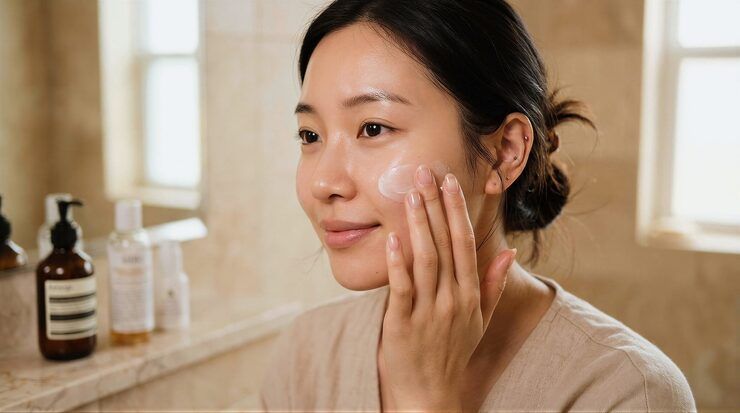
Understanding the Basics of Korean Skincare
What Makes Korean Skincare Different?
Korean skincare commonly emphasizes hydration, gentle formulations, and regular use of products suited to individual skin needs. Many products feature ingredients such as hyaluronic acid, glycerin, ceramides, niacinamide, and centella asiatica. These ingredients are used for different purposes, including attracting moisture, supporting the skin barrier, improving the appearance of uneven skin tone, and soothing the feeling of irritated skin.
Another characteristic of Korean skincare is the flexibility of its routines. Although some routines include several cleansing, treatment, and moisturizing steps, a shorter routine can also be effective. The number of products is less important than selecting suitable formulations and using them consistently. People with sensitive skin may benefit from introducing products gradually instead of applying several new formulas at the same time.
How to Identify Your Skin Type
Understanding skin type is a useful starting point when choosing facial skincare products. Oily skin often produces excess sebum and may appear shiny, particularly around the forehead, nose, and chin. Dry skin may feel tight, rough, or flaky, while combination skin can have both oily and dry areas. Sensitive skin may react to certain ingredients with stinging, redness, or discomfort.
Skin characteristics can change with weather, age, hormones, medications, and other environmental factors. A product that works well for one person may not suit another. For this reason, skincare choices should be based on how the skin responds rather than on trends or marketing claims. People with persistent irritation or skin conditions may benefit from advice from a qualified dermatologist.
Step One: Facial Cleanser
Why Cleansing Is Important
A facial cleanser helps remove sweat, excess oil, dirt, sunscreen, and other impurities that accumulate on the skin throughout the day. Cleansing can make the skin feel comfortable and prepare it for subsequent skincare products. However, using a cleanser that is too harsh or washing the face too frequently may strip away natural oils and contribute to dryness or irritation.
A gentle cleanser is often a practical choice for everyday use. People with dry or sensitive skin may prefer a creamy or lotion-based formula, while those with oily skin may find a lightweight gel cleanser suitable. The ideal product should clean the skin without leaving it feeling excessively tight, rough, or uncomfortable.
How to Use a Facial Cleanser Correctly
Begin by wetting the face with lukewarm water. Apply a small amount of cleanser and gently massage it over the skin with clean fingertips, following the product instructions. Rinse thoroughly and pat the face dry with a clean towel rather than rubbing aggressively. Hot water and rough scrubbing are generally unnecessary for effective cleansing.
In the evening, people who wear makeup or water-resistant sunscreen may use an oil-based cleanser followed by a water-based cleanser. This two-step method is often called double cleansing. It can be useful when needed, but it is not essential for everyone. A single suitable cleanser may be sufficient for people who do not use heavy makeup or water-resistant products.
Step Two: Hydrating Toner
What Is a Facial Toner?
A facial toner is a liquid skincare product applied after cleansing. Modern toners can provide hydration, help the skin feel refreshed, or deliver specific ingredients depending on their formulation. Many Korean hydrating toners contain humectants such as glycerin and hyaluronic acid, which help attract and retain water in the outer layers of the skin.
Traditional toners sometimes contained high levels of alcohol and focused on removing residual oil. Contemporary formulas vary widely, so it is important to review the ingredients rather than assuming that all toners perform the same function. Hydrating toners are often suitable for people who want an additional layer of moisture, although they are not a necessary step for every skin type.
How to Apply Toner
After cleansing, apply the toner according to its instructions. It can usually be spread gently with clean hands or applied using a soft cotton pad if the formulation is suitable for that method. Avoid vigorous rubbing, especially when the skin is sensitive or easily irritated.
People with dry skin may prefer a hydrating toner, while those with oily or combination skin may choose a lightweight formula that does not feel heavy. Exfoliating toners containing ingredients such as alpha hydroxy acids or beta hydroxy acids serve a different purpose and may increase irritation when overused. Beginners should introduce exfoliating products cautiously and avoid combining several strong treatments without understanding their effects.
Step Three: Face Serum
Understanding Serum Ingredients
A face serum is generally a lightweight skincare product formulated to deliver selected ingredients. Depending on its composition, a serum may help hydrate the skin, improve the appearance of uneven tone, or address visible signs of ageing. Serums are available in different textures and concentrations, so choosing one should depend on a person's main skincare concern and tolerance.
Hyaluronic acid is commonly used in hydrating serums because it helps attract moisture. Niacinamide is used in some formulations to support the skin barrier and improve the appearance of uneven skin tone. Vitamin C is commonly included in products intended to improve the appearance of dullness and pigmentation, while retinoids are used in certain routines to address acne and visible signs of photoageing. These ingredients differ in their effects and potential for irritation, so they should not be treated as interchangeable.
Choosing a Serum for Different Skin Concerns
People with dry skin may prefer a serum containing humectants that help improve hydration. Individuals concerned about uneven skin tone may consider formulations containing niacinamide or vitamin C, depending on their skin's sensitivity. People with acne-prone skin may explore products containing salicylic acid, although the suitability and concentration depend on individual needs.
A serum does not need to contain numerous active ingredients to be useful. Introducing one targeted product at a time makes it easier to understand how the skin responds. Retinoids and exfoliating acids may cause irritation, particularly when used too frequently or combined with other active ingredients. Anyone who is pregnant, planning pregnancy, or breastfeeding should seek appropriate professional advice before using specific active treatments, particularly retinoids.
How to Apply Face Serum
Apply serum after cleansing and toner, if toner is part of the routine. Use the amount and application method recommended on the product label, spreading it gently across the face while avoiding the eyes unless the product is specifically intended for that area.
Allow the serum to settle before applying moisturiser when appropriate. Some products can be layered comfortably, while others may work better when used at different times of day. The aim is to develop a routine that supports the skin without introducing unnecessary complexity or irritation.
Step Four: Facial Moisturiser
Why Moisturiser Matters
A facial moisturiser helps reduce water loss from the skin and supports the skin's protective barrier. Many moisturisers contain a combination of humectants, emollients, and occlusive ingredients. Humectants attract moisture, emollients help soften the skin, and occlusives help reduce moisture loss by forming a protective layer.
Moisturising can be helpful for different skin types, including oily skin. The important consideration is choosing a texture and formulation that feels comfortable. A lightweight lotion or gel-cream may suit people who dislike heavy textures, while a richer cream may be more comfortable for dry skin. Products containing ceramides, glycerin, or other moisturizing ingredients are common choices for supporting skin hydration.
How to Choose and Apply a Moisturiser
People with dry or sensitive skin may prefer fragrance-free creams with ingredients that support the skin barrier. Those with oily or combination skin may prefer lightweight, non-comedogenic formulations, which are designed to be less likely to block pores. However, no single ingredient or texture guarantees that a product will suit everyone.
Apply moisturiser after serum and other lightweight treatments, following the product instructions. Use a suitable amount to cover the face and neck where appropriate. Moisturising can help reduce tightness and improve skin comfort, but it does not replace medical treatment for persistent skin conditions. If a product causes ongoing burning, swelling, or irritation, discontinue use and seek professional advice when necessary.
Step Five: Sunscreen for Daily Skin Protection
The Role of Sunscreen in Korean Skincare
Sunscreen is an important part of a daytime skincare routine. Ultraviolet radiation from the sun contributes to sunburn, premature skin ageing, and an increased risk of skin cancer. Regular use of broad-spectrum sunscreen helps protect the skin against UVA and UVB radiation when used as directed.
A sunscreen labelled broad-spectrum and SPF 30 or higher is a common recommendation for daily sun protection. Water-resistant formulas may be useful for swimming, sweating, or outdoor activities. Sunscreen should be selected according to skin type, personal comfort, and the conditions in which it will be used.
Correct Sunscreen Application
Apply sunscreen as the final step of the morning skincare routine, after moisturiser. Follow the label directions for the amount required and allow it to form an even layer over exposed skin. Reapplication is important, particularly after swimming, sweating, towel drying, or spending extended periods outdoors.
Sunscreen is only one part of sun protection. Shade, protective clothing, hats, and limiting exposure during periods of intense sunlight can provide additional protection. A consistent routine that includes sunscreen is generally more useful than relying on skincare products that claim to improve the appearance of sun-damaged skin without providing ultraviolet protection.
Korean Skincare Routine: Morning and Evening Order
Simple Morning Skincare Routine
A basic morning routine can begin with a gentle cleanser or a water rinse if the skin does not need additional cleansing. A hydrating toner may follow if desired, then a serum suited to the individual's skin concerns. Moisturiser helps maintain skin comfort, and sunscreen completes the routine. The exact combination can be adjusted according to skin type, climate, and product instructions.
For people who are new to skincare, beginning with a cleanser, moisturiser, and sunscreen can be a practical approach. Toner and serum can be introduced later if they address a specific need. This makes it easier to identify which products are helpful and reduces the likelihood of irritation caused by introducing too many formulas at once.
Simple Evening Skincare Routine
An evening routine focuses on removing sunscreen, makeup, sweat, and daily impurities while supporting overnight skin comfort. People who use water-resistant sunscreen or makeup may begin with an appropriate cleansing oil or balm, followed by a gentle cleanser if needed. Toner and serum can then be applied according to the chosen formulation, followed by moisturiser.
Certain treatments, including retinoids and exfoliating acids, may be better suited to evening use according to their instructions. They should be introduced gradually and should not automatically be combined in the same routine. A simple evening routine that the skin tolerates well can be preferable to a lengthy routine that repeatedly causes redness, dryness, or discomfort.
Common Korean Skincare Mistakes to Avoid
Using Too Many Products at Once
Adding several new skincare products at the same time makes it difficult to determine which product is responsible if irritation develops. Multiple active ingredients can also increase the likelihood of dryness, redness, and sensitivity. Introducing one product at a time and observing the skin's response is a more practical approach.
Choosing Products Without Considering Skin Type
Popular Korean skincare products are not suitable for everyone. A heavily fragranced product may irritate sensitive skin, while a rich formula may feel uncomfortable for some people with oily skin. Reading product labels, reviewing ingredients, and considering personal skin concerns can help guide more appropriate choices.
Expecting Immediate Results
Skincare products generally require consistent use, and visible changes vary according to the ingredient, concern, and individual response. Hydration may improve skin comfort relatively quickly, while concerns such as uneven pigmentation or visible signs of ageing may take longer to show changes. No routine can guarantee perfect skin or eliminate every skin concern.
Ignoring Product Safety and Expiry Dates
Skincare products should be used according to their labels and stored as directed. Expired products, contaminated containers, and improperly stored formulas may not perform as intended and can sometimes cause irritation. Patch testing a new product on a small area of skin can help identify some reactions, although it cannot guarantee that a product will be safe for every use.
Frequently Asked Questions About Korean Skincare
What Is the Correct Order for Korean Skincare Products?
A common order is cleanser, toner, serum, moisturiser, and sunscreen during the daytime. In the evening, sunscreen is not usually needed unless there is a specific reason for daytime exposure, and the routine generally ends with moisturiser. Product directions and the texture of individual formulas can influence the exact order.
Is Korean Skincare Suitable for Sensitive Skin?
Some Korean skincare products are formulated for sensitive skin, but suitability depends on the complete formula and the individual's skin. Fragrance-free products with gentle ingredients may be preferable for people who experience irritation. Introducing new products gradually and stopping products that cause persistent discomfort can help reduce problems.
Do Everyone Need to Use Toner and Serum?
No. Toner and serum are optional steps rather than universal requirements. A suitable cleanser, moisturiser, and daytime sunscreen may be sufficient for a basic routine. Additional products can be considered when they address a particular skincare concern and are well tolerated.
How Long Does a Korean Skincare Routine Take to Work?
The time required to notice a difference depends on the product and the concern being addressed. Moisturisers may improve dryness and comfort relatively quickly, while products targeting acne or uneven skin tone may require several weeks or longer. Results vary, and persistent or severe skin concerns may require professional assessment.
Can Different Skincare Brands Be Used Together?
Products from different brands can generally be used together when their ingredients and instructions are compatible. There is no requirement to use every product from the same skincare range. However, combining several exfoliating or potentially irritating ingredients can increase the risk of adverse reactions, so a simple routine is often a sensible starting point.
Conclusion
A Korean skincare routine provides a flexible way to understand the roles of cleansing, hydration, targeted treatments, moisturising, and sun protection. Cleanser removes daily impurities, toner can add hydration, serum provides selected ingredients for specific concerns, and moisturiser helps reduce water loss and maintain skin comfort. Sunscreen adds an important layer of protection during the day.
The most suitable skincare routine is one that matches individual skin needs and can be followed consistently. People do not need to use every available product or follow a lengthy sequence of steps to care for their skin. By choosing appropriate formulations, introducing active ingredients carefully, and paying attention to skin responses, it is possible to develop a practical routine that supports healthy-looking skin over time.