Discover the elegance and charm of authentic 1960s wedding receptions. Explore vintage fashion, classic cuisine, and timeless celebration traditions that defined an era.
The 1960s wedding reception was a masterclass in elegance, sophistication, and cultural expression. This transformative decade saw couples breaking from rigid Victorian traditions while maintaining a sense of refined formality that defined post-war American celebrations. From the carefully curated guest lists to the meticulously planned menu selections, every detail reflected the era's distinctive style. Whether you're planning a vintage-inspired wedding, researching wedding history, or simply fascinated by mid-century celebrations, understanding 1960s reception culture offers valuable insights into how weddings have evolved and what timeless elements continue to captivate us today.
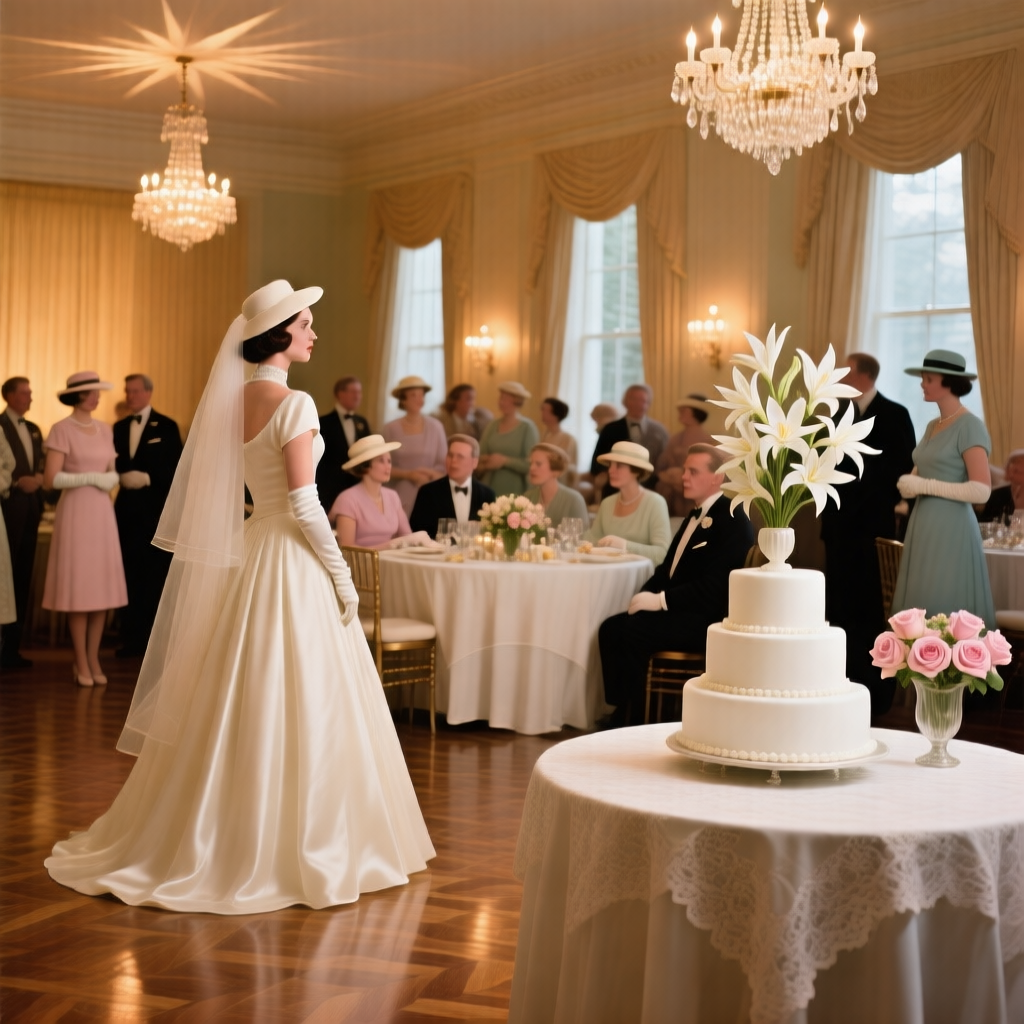
The Fashion Revolution: What Guests Really Wore
The 1960s wedding guest wardrobe was a fascinating blend of structured formality and emerging casualness. Early in the decade, guests adhered to strict dress codes: men wore tuxedos or morning coats with tails, while women donned elaborate hats, gloves, and formal gowns in pastels or jewel tones. By the late 1960s, this rigidity softened considerably.
Brides experienced the most dramatic transformation. Early-60s bridal gowns featured high necklines, long sleeves, and voluminous skirts with elaborate trains and veils. The silhouette was demure and romantic. As the decade progressed, hemlines crept up, necklines became more daring, and fabrics shifted from heavy satin to lighter, more modern materials. The iconic mod wedding dress emerged, influenced by designers like Mary Quant, offering shorter hemlines and minimalist designs that shocked traditionalists but thrilled progressive brides.
Grooms' fashion evolved from the formal morning coat to sleeker tuxedos with narrower lapels. Accessories became bolder—colorful ties, cufflinks, and pocket squares allowed for personal expression. Bridesmaids transitioned from matching pastel confections to more varied, sometimes mismatched ensembles, reflecting the decade's growing individualism.
The Culinary Experience: Food That Defined an Era
1960s wedding menus represented a fascinating intersection of traditional European cuisine and emerging American convenience culture. Early-decade receptions featured formal sit-down dinners with courses served in the classical French tradition: soup, fish course, entrée, salad, cheese, and dessert. Prime rib, filet mignon, and chicken cordon bleu were popular protein choices.
The cocktail hour—a distinctly American innovation gaining prominence in the 1960s—featured passed hors d'oeuvres: shrimp cocktails, deviled eggs, cheese balls, and bacon-wrapped appetizers. Aspic-glazed dishes, molded salads, and casseroles reflected the era's fascination with modern food science and convenience.
As the decade progressed, particularly in cosmopolitan areas, menus became more adventurous. International cuisine appeared more frequently. Fondue parties and Polynesian-inspired dishes reflected the era's cultural curiosity. The wedding cake remained central but evolved from traditional white cake to more sophisticated flavors and modern designs.
Beverage Traditions and the Cocktail Culture
The 1960s wedding reception was inseparable from sophisticated cocktail culture. The martini, Manhattan, and old fashioned dominated early-decade celebrations. Champagne toasts remained mandatory, but the selection of champagne became more refined and varied.
Signature cocktails weren't yet standard, but creative bartenders began experimenting with tropical drinks and modern concoctions. The reception bar itself became a focal point, often featuring elaborate displays with multiple spirits, wines, and liqueurs. Non-alcoholic options were limited but typically included punch, ginger ale, and soft drinks—often served in decorative bowls with floating fruit and ice rings.
Venue Aesthetics and Decorative Trends
1960s reception venues ranged from country clubs and hotel ballrooms to churches, gardens, and private estates. The aesthetic evolved throughout the decade. Early-60s décor emphasized formality: candelabras, white linens, formal floral arrangements in traditional patterns, and subdued color palettes of whites, creams, and soft pastels.
Mid-decade, bolder colors emerged—coral, turquoise, gold, and deep jewel tones. Centerpieces became more sculptural and modern. Geometric patterns, influenced by contemporary art movements, appeared in linens and décor. By the late 1960s, some receptions embraced psychedelic colors, flower power aesthetics, and unconventional décor choices that reflected the counterculture movement.
Lighting evolved from simple candles and overhead fixtures to more sophisticated systems using uplighting and colored gels. This technological advancement allowed venues to create dramatic atmospheres impossible in previous decades.
Entertainment and Dancing: Setting the Mood
Live bands were the standard for 1960s wedding receptions. The typical band featured a pianist, drummer, bassist, and vocalist, often augmented by horns. These musicians played a mix of standards, current pop hits, and classical pieces appropriate for different reception phases.
The first dance, parent dances, and formal dancing followed strict protocols. Early in the decade, dancing was relatively formal and structured. As the 1960s progressed, dancing became more energetic and less formal. The Twist, the Watusi, and other contemporary dances appeared at receptions, particularly those with younger guests.
DJs were beginning to emerge as an alternative to live bands, though they weren't yet mainstream. Recorded music was considered less prestigious than live entertainment, but some progressive couples embraced this cost-saving option.
Reception Timeline and Traditions
The typical 1960s reception followed a predictable sequence. The receiving line was essential—guests passed by the bride, groom, and parents to offer congratulations. This could take considerable time at larger weddings.
The cocktail hour preceded dinner, allowing guests to socialize, enjoy appetizers, and consume alcoholic beverages. Dinner service was formal, with waitstaff attending to each table. Toasts and speeches followed the meal, typically from the best man and father of the bride.
The cutting of the cake was ceremonial and photographed extensively. First dances followed, then general dancing commenced. The reception typically concluded around midnight, with guests departing in a more orderly fashion than modern celebrations.
Photography and Documentation
1960s wedding photography was primarily black and white, though color photography was becoming available. Professional photographers captured formal portraits before the reception, candid moments during the event, and posed group photos. The photographic style emphasized elegance and formality.
Videography was virtually non-existent for civilian weddings. The primary documentation came through still photography and written announcements in local newspapers. This made the photographer's role crucial in preserving memories.
Regional and Cultural Variations
While broad trends characterized 1960s weddings across America, regional and cultural variations remained significant. Southern weddings maintained more traditional formality longer than their Northern counterparts. Catholic weddings followed specific protocols regarding reception timing and activities. Jewish weddings incorporated traditional elements like the hora dance and breaking of the glass.
Ethnic communities—Italian, Irish, Polish, and others—maintained distinctive traditions while gradually adopting broader American wedding conventions. These cultural blends created unique celebration styles that reflected both heritage and contemporary American culture.
Key Features of Authentic 1960s Receptions
- Formal dress codes: Tuxedos and gowns were non-negotiable for most receptions
- Structured timeline: Receiving lines, cocktail hours, formal dinners, and dancing followed predictable sequences
- Live entertainment: Professional bands provided music throughout the evening
- Multi-course dining: Formal sit-down dinners with multiple courses were standard
- Champagne traditions: Toasts and formal champagne service were essential elements
- Elaborate décor: Formal arrangements, candelabras, and carefully coordinated color schemes dominated
- Guest participation rituals: Receiving lines, dancing with the couple, and formal toasts were expected
- Professional service: Waitstaff, bartenders, and event coordinators managed every detail
Comparison: Early 60s vs. Late 60s Reception Styles
| Element | Early 1960s | Late 1960s |
|---|---|---|
| Bride's Dress | Long sleeves, high neckline, full train, elaborate veil | Shorter hemline, modern neckline, minimal veil or headpiece |
| Color Palette | Pastels, whites, creams, subtle tones | Bold colors, jewel tones, psychedelic influences |
| Menu Style | Classical European, formal courses, traditional proteins | More adventurous, international influences, modern preparations |
| Entertainment | Formal orchestral music, structured dancing | Contemporary pop hits, energetic dancing, more casual atmosphere |
| Formality Level | Highly formal, strict protocols, rigid traditions | More relaxed, personal expression, rule-breaking acceptable |
| Guest Interaction | Formal receiving lines, structured socializing | More casual mingling, less rigid protocols |
Planning Checklist for 1960s-Inspired Receptions
- ☐ Select appropriate venue with mid-century architectural elements or period ambiance
- ☐ Establish formal dress code and communicate clearly to guests
- ☐ Plan multi-course dinner menu with classic proteins and formal presentation
- ☐ Hire live band or curate period-appropriate music playlist
- ☐ Design formal décor with period-accurate color palettes and centerpieces
- ☐ Arrange formal receiving line and structured reception timeline
- ☐ Select champagne and cocktails reflecting 1960s preferences
- ☐ Plan formal first dance and traditional reception activities
- ☐ Hire professional photographer experienced with vintage aesthetic
- ☐ Create detailed timeline and communicate to all vendors and participants
- ☐ Source period-appropriate linens, glassware, and serving pieces
- ☐ Plan formal toasts and speeches with appropriate speakers
Frequently Asked Questions
What was the typical length of a 1960s wedding reception?
Most 1960s receptions lasted four to five hours, typically running from late afternoon into the evening. A reception might begin at 4 or 5 PM with a cocktail hour, followed by dinner at 6 or 7 PM, with dancing continuing until 10 PM or midnight. This timeframe allowed for all traditional elements—receiving line, dinner service, toasts, cake cutting, and dancing—without feeling rushed.
How much did a typical 1960s wedding reception cost?
Wedding costs varied dramatically based on location, guest count, and formality level. A modest reception for 100 guests might cost $500-$1,000 in the early 1960s, while elaborate affairs could exceed $5,000. Adjusted for inflation, these figures represent significantly more in today's dollars. The cost typically included venue rental, catering, beverages, music, and florals, though couples often received contributions from parents.
Were cocktail hours common at all 1960s weddings?
Cocktail hours became increasingly common throughout the 1960s, particularly in urban areas and among younger, more progressive couples. However, traditional and religious ceremonies sometimes omitted this element or served only non-alcoholic beverages. Southern and rural weddings often maintained more conservative approaches, sometimes serving only champagne and punch rather than a full bar.
How did 1960s wedding invitations differ from modern ones?
1960s invitations were printed on formal cardstock, typically white or cream, with engraved or printed text in traditional fonts. They included specific dress code requirements, often stating "Black Tie" or "Formal Attire." Response cards were included, and guests were expected to respond within a specific timeframe. The invitations were more formal and less personalized than modern digital or casual designs.
What were the most popular wedding flowers in the 1960s?
Roses, peonies, carnations, and orchids dominated 1960s wedding florals. Arrangements were typically formal and structured, often featuring single-color palettes or complementary color combinations. Gardenias and stephanotis were popular for bridal bouquets. As the decade progressed, more adventurous couples incorporated tropical flowers and unconventional arrangements reflecting contemporary design trends.
Were destination weddings common in the 1960s?
Destination weddings were rare in the early 1960s but became more feasible as air travel became more accessible and affordable. Some wealthy couples married in exotic locations, but the vast majority of weddings occurred in the couple's hometown or the bride's family's community. The logistics and expense of traveling with large wedding parties made destination celebrations impractical for most people.
Conclusion: The Enduring Legacy of 1960s Wedding Elegance
The 1960s wedding reception represents a fascinating moment in celebration history—a decade when tradition and modernity collided, creating distinctive styles that ranged from rigidly formal to daringly progressive. Whether you're drawn to the refined elegance of early-60s affairs or the free-spirited creativity of late-60s celebrations, this era offers rich inspiration for understanding how weddings reflect broader cultural shifts.
The fashion evolution, from demure bridal gowns to mod mini dresses, mirrors the decade's social transformation. The food and beverage selections reveal changing attitudes toward sophistication and experimentation. The entertainment, décor, and reception protocols all demonstrate how couples balanced tradition with innovation.
Modern couples incorporating 1960s elements into their celebrations often find that this era's emphasis on elegance, formality, and meaningful traditions offers a refreshing counterpoint to contemporary casual approaches. Whether through vintage-inspired fashion, classic cuisine, or structured reception timelines, the 1960s continue to influence how we celebrate love and commitment.
Understanding authentic 1960s wedding receptions isn't just about nostalgia—it's about appreciating how celebrations evolve while recognizing that certain elements of sophistication, attention to detail, and meaningful tradition remain timeless. The 1960s remind us that weddings are cultural documents, reflecting the values, aesthetics, and possibilities of their era while creating memories that endure for generations.