Discover how to select the perfect Cooper tires for your driving needs. Learn tire types, performance features, and expert selection tips to maximize safety and savings.
Selecting the right tires for your vehicle is a critical decision that impacts safety, fuel efficiency, and driving comfort. With so many options available, understanding your choices can feel overwhelming. Cooper tires have earned a reputation for quality and reliability across diverse driving conditions, making them a smart choice for vehicle owners seeking dependable performance. This guide breaks down everything you need to know about choosing Cooper tires that match your specific needs, budget, and driving habits.Understanding Your Tire Needs and Driving Habits
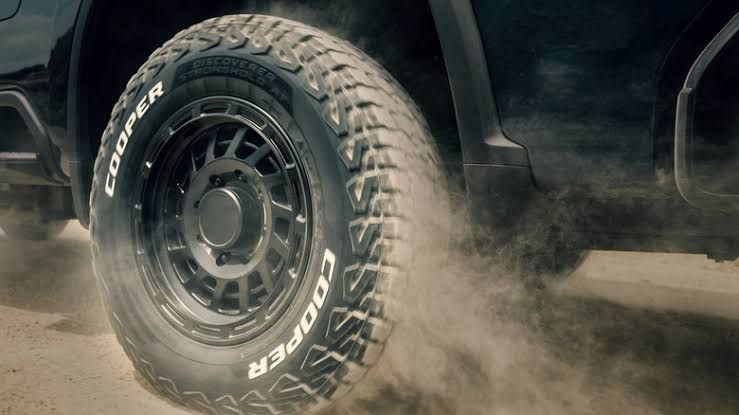
Before diving into specific tire models, take time to assess your unique driving situation. Consider your climate, typical driving patterns, and vehicle type. Do you navigate snowy winters, dry summers, or a mix of both? Are you a daily commuter covering highway miles, or do you primarily drive in urban environments? Understanding these factors helps narrow down which Cooper tire category suits you best. Your vehicle's manufacturer specifications also matter—check your owner's manual for recommended tire size, load index, and speed rating to ensure compatibility.
Benefits and Limitations of Cooper Tires
Cooper tires deliver several compelling advantages that make them popular among vehicle owners. They offer excellent value for money, combining quality construction with competitive pricing. Cooper's diverse product lineup means you'll find options for virtually every vehicle type and driving condition. Their tires are known for consistent performance, reliable traction, and extended tread life. The company backs many models with strong warranties, providing peace of mind with your purchase.
However, it's worth noting that while Cooper offers excellent mid-range options, premium performance enthusiasts might explore ultra-high-performance alternatives. Some specialty off-road applications may benefit from brands with more extreme focus in that category. Budget-conscious shoppers will appreciate Cooper's value positioning, though ultra-budget options exist elsewhere.
Types of Cooper Tires Available
Cooper manufactures several tire categories to serve different needs:
- All-Season Tires: The most versatile option, providing balanced performance across seasons. Ideal for moderate climates and mixed driving conditions.
- Winter Tires: Designed with specialized rubber compounds and tread patterns for snow and ice traction. Essential for harsh winter climates.
- Summer/Performance Tires: Optimized for warm weather handling and responsive steering. Perfect for spirited driving and highway performance.
- Light Truck/SUV Tires: Built for heavier loads and varied terrain. Available in all-season, winter, and off-road variants.
- Commercial/Work Tires: Engineered for durability and heavy-duty applications in professional settings.
Key Performance Features to Evaluate
When comparing Cooper tire models, several technical features deserve your attention:
| Feature | What It Means | Why It Matters |
|---|---|---|
| Tread Depth | Measured in 32nds of an inch | Affects wet traction and snow performance |
| Load Index | Maximum weight capacity per tire | Ensures safe performance for your vehicle |
| Speed Rating | Maximum sustained speed capability | Matches tire to vehicle performance |
| TREADWEAR Warranty | Mileage coverage guarantee | Indicates expected tire longevity |
| Temperature Rating | Heat resistance classification | Impacts durability and safety margins |
Current Tire Technology Trends
Modern tire technology continues evolving to improve efficiency and performance. Cooper incorporates several contemporary innovations into their product lines. Fuel-efficient tread designs reduce rolling resistance, helping your vehicle achieve better mileage. Noise-reduction technologies create quieter cabin experiences during highway driving. Enhanced grip compounds improve traction in wet conditions while maintaining durability. Some models feature reinforced sidewalls for better handling response and load stability.
Comparing Cooper Tire Models
Cooper's lineup includes several popular series worth considering:
- CS Series: Budget-friendly all-season options with solid everyday performance
- Discoverer Series: Versatile all-terrain and light truck options for varied driving
- Cobra Series: Performance-oriented designs for spirited driving and handling
- Evolution Series: Advanced all-season tires with enhanced wet weather capabilities
- Weathermaster Series: Specialized winter tires with superior snow and ice performance
Seasonal Considerations and Climate Factors
Your climate significantly influences which Cooper tires make sense for your situation. In temperate zones with mild winters, all-season tires typically provide adequate performance year-round. If you experience regular snow and ice, dedicated winter tires substantially improve safety and control. Desert and hot climates benefit from summer-focused tires with compounds designed for heat resistance. Regions with frequent rain demand tires with aggressive tread patterns for hydroplaning resistance. Consider whether you'll use the same tires year-round or rotate seasonal sets.
Making Your Selection: Step-by-Step Checklist
Use this practical checklist to guide your Cooper tire selection:
- Check your vehicle's tire placard (usually inside the driver's door) for size and load specifications
- Assess your primary driving environment (highway, city, mixed, off-road)
- Evaluate your climate and seasonal weather patterns
- Determine your budget range and desired warranty coverage
- Read recent customer reviews for your top contenders
- Compare tread depth, load index, and speed ratings across models
- Check tire shop availability and installation costs in your area
- Verify warranty terms and coverage details
- Consider fuel efficiency ratings if economy matters to you
- Make your purchase and schedule professional installation
Expert Tips for Tire Longevity
Maximizing your Cooper tire investment goes beyond the initial selection. Maintain proper tire pressure monthly—underinflated tires wear faster and reduce fuel economy. Rotate tires every 5,000-7,000 miles to ensure even wear patterns. Get wheel alignments checked annually or whenever you notice uneven wear. Keep tires clean and inspect for damage regularly. Avoid extreme driving habits that accelerate wear. Store seasonal tires properly in cool, dry environments. These practices extend tire life and maintain optimal performance throughout their service life.
Frequently Asked Questions About Cooper Tires
What's the difference between all-season and winter Cooper tires?
All-season tires use rubber compounds that remain flexible across temperature ranges, providing balanced performance year-round. Winter tires feature softer compounds that stay pliable in cold temperatures, offering superior grip on snow and ice. Winter tires also have more aggressive tread patterns specifically designed for winter traction.
How do I know what size Cooper tires fit my vehicle?
Your vehicle's tire size is printed on the sidewall of your current tires and listed on the tire placard inside your driver's door. The placard shows the manufacturer's recommended size and specifications. Always match these specifications when purchasing replacement tires.
What does the TREADWEAR warranty actually cover?
The TREADWEAR warranty guarantees that if your tires wear out before the specified mileage, Cooper will replace them (prorated). This doesn't cover damage from accidents, improper maintenance, or misuse. It's a valuable indicator of expected tire longevity.
Are Cooper tires good for off-road driving?
Cooper's Discoverer line specifically targets off-road and light truck applications. These tires feature reinforced sidewalls, aggressive tread patterns, and durable construction suitable for varied terrain. However, extreme off-road applications might benefit from specialized off-road brands.
How often should I replace my Cooper tires?
Most tires last 3-5 years or until tread depth reaches 2/32 inch (the legal minimum). Factors like driving habits, climate, and maintenance affect actual lifespan. Inspect tires regularly and replace when tread becomes unsafe or damage occurs.
Can I mix different Cooper tire models on my vehicle?
It's best to use matching tires on all four wheels for optimal safety and performance. If you must mix, ensure they have the same load and speed ratings, and place newer tires on the rear axle for better stability.
Conclusion: Drive with Confidence
Choosing the right Cooper tires transforms your driving experience by delivering the safety, performance, and reliability you deserve. By understanding your specific needs, evaluating key features, and following the selection process outlined in this guide, you'll confidently select tires that match your vehicle and driving style. Cooper's reputation for quality and value makes them an excellent choice for vehicle owners seeking dependable performance without breaking the bank. Take time to assess your options, read reviews, and consult with tire professionals if needed. The right tires keep you safer on the road while extending the life of your vehicle. Make your selection today and enjoy the peace of mind that comes with quality tires supporting every journey ahead.