Discover everything you need to know about GMC Sierra Single Cab trucks—from powerful performance specs to practical features that make work easier and ownership rewarding.
The GMC Sierra Single Cab truck stands as a testament to American engineering excellence, combining raw power with practical utility that speaks to truck owners who refuse to compromise. Whether you're a contractor managing multiple job sites, a tradesperson hauling specialized equipment, or someone who simply needs a reliable workhorse, the Sierra Single Cab delivers the performance and durability you demand. This guide walks you through everything essential about this iconic truck—from its impressive specifications to real-world advantages that make ownership worthwhile.
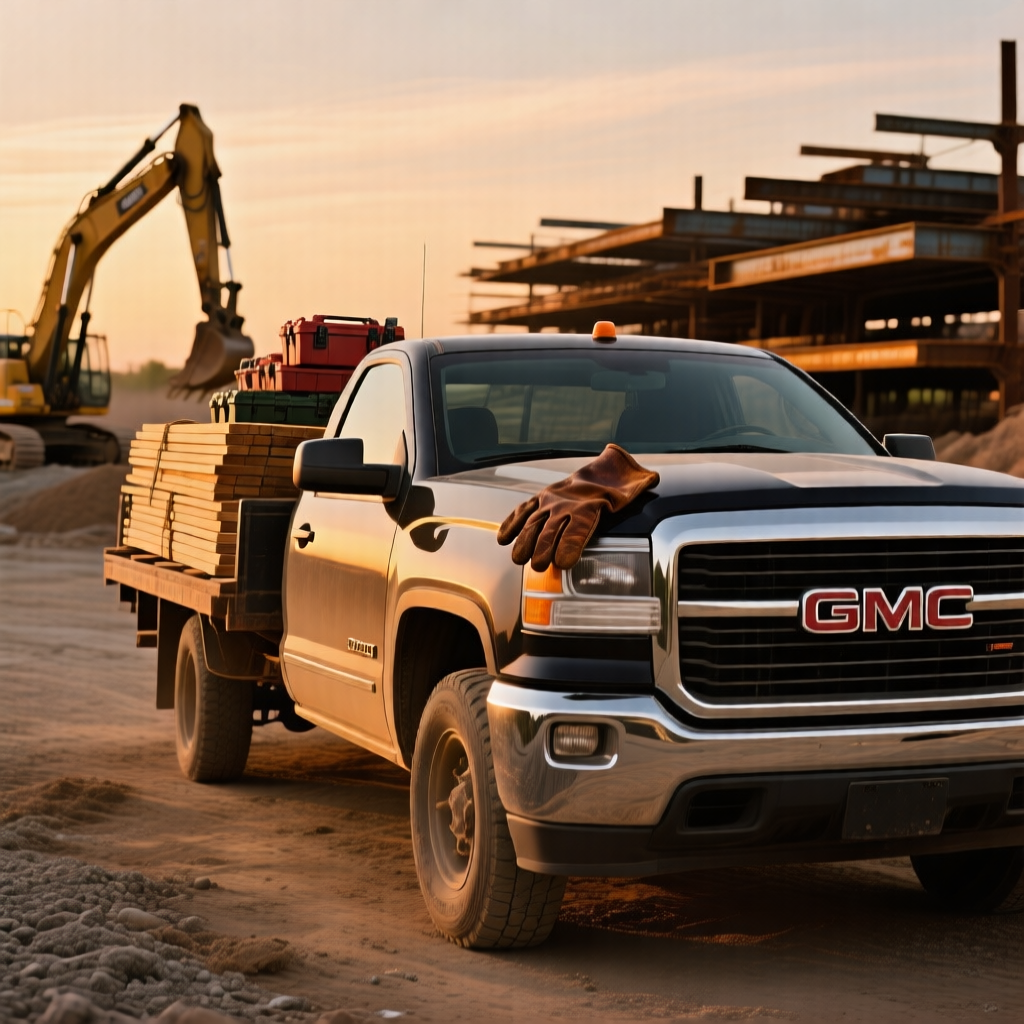
Understanding the GMC Sierra Single Cab Advantage
The Single Cab configuration represents the purest expression of truck functionality. Unlike extended or crew cabs that prioritize passenger comfort, the Single Cab maximizes cargo capacity and maneuverability. This design philosophy appeals to professionals who spend more time at job sites than on highway drives, and to operators who need a nimble vehicle that still packs serious hauling muscle.
What sets the Sierra Single Cab apart is GMC's commitment to blending capability with comfort. Modern iterations feature refined interiors with intuitive technology, responsive steering, and suspension systems engineered for both loaded work and unloaded highway driving. The truck feels substantial without feeling cumbersome—a critical balance that separates true work vehicles from pretenders.
Performance and Engine Options
The Sierra Single Cab offers multiple powertrain configurations designed to match different work demands. The standard EcoTec3 engine delivers respectable fuel efficiency without sacrificing power, while available V8 options provide the grunt needed for serious towing and payload applications. Modern turbocharged engines add another dimension, offering impressive torque delivery across the RPM range.
Key performance metrics include:
- Towing capacity ranging from 7,000 to 12,000+ pounds depending on configuration
- Payload capacity up to 3,500 pounds in standard bed configurations
- Advanced transmission technology for smooth power delivery
- Integrated trailer brake controller for safe, confident towing
- Electronic locking differentials for enhanced traction in challenging conditions
These capabilities translate to real-world advantages: you can confidently handle equipment trailers, boat launches, and loaded material runs without worrying about transmission strain or stability compromises.
Practical Features That Matter
Beyond raw specifications, the Sierra Single Cab excels in thoughtful design details that make daily ownership more rewarding. The standard bed includes tie-down cleats positioned for secure cargo management. Available spray-in bed liners protect against corrosion and impact damage. Power windows, locks, and mirrors come standard, eliminating manual operation hassles when your hands are full or dirty.
The cabin environment balances durability with comfort. Cloth upholstery resists wear better than leather in work environments, while available heated seats add comfort during cold-weather operations. Infotainment systems provide smartphone integration, backup cameras, and available navigation—practical technology that enhances both safety and efficiency.
Comparing Single Cab Configurations
| Feature | Standard Bed | Short Bed | Long Bed |
|---|---|---|---|
| Bed Length | 6.5 feet | 5.8 feet | 8 feet |
| Overall Length | ~210 inches | ~200 inches | ~228 inches |
| Maneuverability | Excellent | Superior | Good |
| Cargo Capacity | ~52 cubic feet | ~46 cubic feet | ~64 cubic feet |
| Parking Ease | Very Good | Excellent | Moderate |
Current Market Trends
The truck market continues evolving toward electrification and advanced connectivity. GMC is responding with enhanced driver assistance systems, wireless software updates, and improved fuel efficiency across all powertrains. Single Cab trucks are increasingly popular among small business owners who recognize the cost-per-capability advantage compared to larger crew cab configurations.
Sustainability considerations are reshaping purchasing decisions. Modern Sierra engines meet stringent emissions standards while delivering better fuel economy than previous generations. This combination appeals to environmentally conscious operators who refuse to sacrifice capability for responsibility.
Essential Maintenance and Care
Ownership longevity depends on consistent maintenance practices. Regular oil changes, fluid checks, and filter replacements form the foundation. The Sierra Single Cab's robust engineering handles demanding work, but preventive care extends service intervals and maximizes resale value.
Key maintenance priorities:
- Follow manufacturer oil change intervals (typically 7,500-10,000 miles)
- Inspect brake pads and rotors before wear becomes critical
- Monitor tire pressure and alignment, especially under heavy loads
- Flush transmission fluid at recommended intervals
- Protect the bed and undercarriage from corrosion with regular washing
- Check suspension components for wear during routine service
Selecting the Right Configuration
Choosing your ideal Sierra Single Cab requires honest assessment of actual needs versus wants. Consider your primary use: do you spend more time hauling loads or driving empty? Do you regularly tow, or is that occasional? Will you work in harsh climates requiring additional protection?
Practical selection checklist:
- Determine your typical payload and towing requirements
- Assess parking and maneuvering constraints in your environment
- Consider fuel efficiency needs versus power demands
- Evaluate cab comfort features based on actual driving time
- Factor in maintenance capabilities and service availability
- Review warranty coverage and extended service options
- Compare total cost of ownership, not just purchase price
Real-World Ownership Insights
Owners consistently praise the Sierra Single Cab for its reliability under demanding conditions. Contractors report minimal downtime across multiple vehicles, while individual owners appreciate the straightforward driving experience and honest capability. The truck doesn't pretend to be something it isn't—it's a work vehicle that delivers work results.
Common owner observations include surprising fuel efficiency on highway drives, responsive handling that belies the truck's size, and a cabin environment that remains comfortable during long work days. The resale market for well-maintained Sierra Single Cabs remains strong, reflecting the truck's enduring appeal.
Frequently Asked Questions
What's the difference between GMC Sierra and Chevrolet Silverado single cabs?
While sharing the same platform and many components, GMC emphasizes premium features, refined interiors, and distinctive styling. The Sierra typically offers more upscale trim options and cabin appointments, while maintaining comparable mechanical specifications and reliability.
How long do Sierra Single Cab trucks typically last?
Well-maintained examples regularly exceed 200,000 miles, with many reaching 300,000+ miles. Consistent maintenance, avoiding extreme overloading, and addressing issues promptly are key factors in achieving longevity.
Can I upgrade my Single Cab truck to crew cab configuration?
No, the cabin structure is integrated into the frame during manufacturing. However, you can add jump seats or rear-facing auxiliary seating in some cases, though this reduces cargo space.
What's the best engine choice for fuel economy?
The standard EcoTec3 engine delivers the best fuel economy, particularly with efficient transmission options. Turbo engines offer a middle ground between economy and power, while V8 options prioritize capability over efficiency.
Are Single Cab trucks still available new?
Yes, manufacturers continue offering Single Cab configurations, though availability varies by model year and region. These trucks remain popular with commercial fleets and individual operators who value maximum cargo capacity.
What warranty coverage should I expect?
Standard manufacturer warranties typically cover 3 years/36,000 miles for basic coverage, with extended powertrain warranties available. Commercial-use vehicles may have different coverage terms, so review specific details before purchase.
Conclusion
The GMC Sierra Single Cab truck represents a refined approach to American truck capability. It refuses unnecessary complexity while delivering on the fundamental promise of reliable, capable transportation. Whether you're selecting your first truck or upgrading from an aging workhorse, the Sierra Single Cab merits serious consideration.
This truck succeeds because it understands its purpose: moving cargo, towing loads, and navigating job sites with confidence. Modern engineering enhancements make ownership more rewarding than ever, combining traditional truck virtues with contemporary comfort and technology. For drivers who value honesty, capability, and dependability, the Sierra Single Cab delivers the complete package.