Discover how to find quality used industrial tools that save money without sacrificing performance. Expert tips for smart buyers.
Finding the right used industrial tools can transform your workshop or manufacturing operation—without breaking the bank. Whether you're a seasoned professional or just starting out, the used equipment market offers incredible opportunities to access quality machinery at a fraction of the new price. But navigating this landscape requires knowledge, strategy, and confidence. This comprehensive guide reveals everything you need to know to become a savvy buyer who consistently finds excellent tools that perform reliably for years.
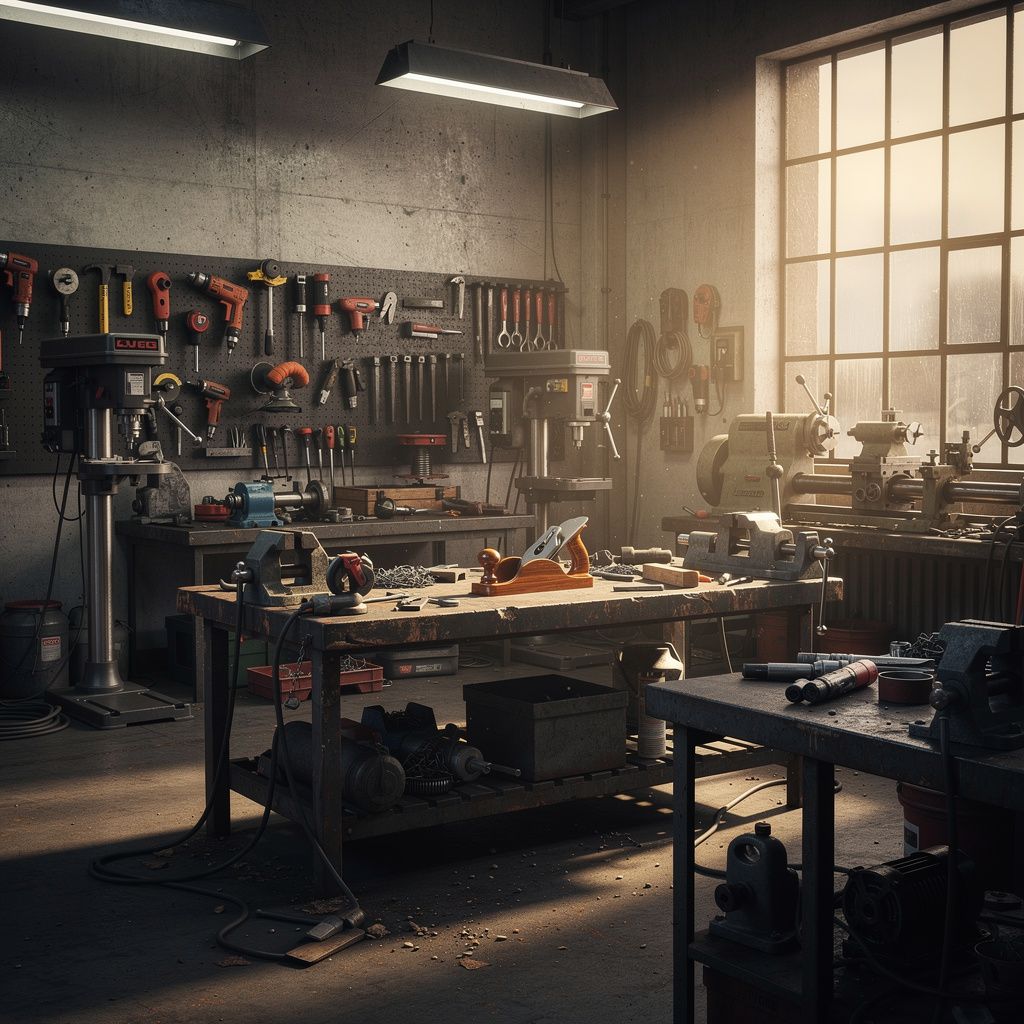
Understanding the Used Industrial Tools Market
The used industrial tools market is thriving. Businesses upgrade equipment regularly, retire tools when they modernize operations, and sometimes overstock inventory. This creates a steady supply of quality equipment at accessible prices. Understanding market dynamics helps you time your purchases strategically and recognize genuine value when you see it.
Market trends show that buyers increasingly prefer certified refurbished tools and equipment with documented maintenance histories. Sellers who provide transparency about tool condition, previous usage, and any repairs gain trust and command better prices. Smart buyers leverage this by seeking detailed information and documentation before committing to purchases.
Benefits and Limitations of Used Industrial Tools
Used industrial tools offer substantial advantages that make them attractive to budget-conscious buyers and established businesses alike. Understanding both sides helps you make informed decisions aligned with your specific needs.
Key Benefits
- Significant cost savings: Used tools typically cost 40-70% less than new equivalents, freeing capital for other investments
- Proven reliability: Tools that have already been in service demonstrate real-world durability and performance
- Environmental responsibility: Purchasing used equipment reduces manufacturing waste and extends product lifecycles
- Access to premium brands: Budget constraints disappear when buying used, allowing you to afford higher-quality brands
- Immediate availability: No waiting for manufacturing or shipping delays—used tools are ready to work
Important Limitations
- Unknown history: Previous usage patterns and maintenance quality may not be fully documented
- Limited warranties: Most used tools come with minimal or no warranty coverage
- Potential repairs: Hidden wear or damage may require investment in restoration or repair
- Limited selection: You're choosing from available inventory rather than customizing new equipment
- Cosmetic wear: Aesthetic condition rarely matches new tools, though functionality typically remains strong
Types of Used Industrial Tools Worth Considering
Different tool categories offer varying advantages in the used market. Knowing which types represent the best values helps you allocate your budget strategically.
Hand Tools and Power Tools
Hand tools like wrenches, hammers, and precision instruments hold value exceptionally well. Quality brands maintain functionality for decades with minimal maintenance. Power tools—drills, grinders, saws—represent excellent used purchases when you verify motor condition and electrical safety.
Precision Measuring Equipment
Calipers, micrometers, and gauges rarely wear out if handled carefully. Used precision instruments from reputable manufacturers often cost half the new price while delivering identical accuracy. Verification and calibration are essential before critical applications.
Hydraulic and Pneumatic Equipment
Used hydraulic presses, jacks, and pneumatic tools offer tremendous value. These tools are built for durability and often outlast their owners. Inspect seals and fluid systems carefully, but expect reliable performance from well-maintained equipment.
Machining Equipment
Used lathes, mills, and CNC machines represent significant investments but deliver exceptional value. Industrial-grade machinery is engineered for longevity, and many vintage tools perform identically to modern versions. Mechanical inspection and test runs are crucial.
Current Trends in Used Industrial Equipment
The used tools market continues evolving. Recent trends reveal important patterns that smart buyers leverage:
- Digital marketplaces growth: Online platforms have expanded access and transparency, making it easier to compare prices and find specialized equipment
- Certification emphasis: Sellers increasingly offer inspection certificates and maintenance documentation to justify pricing
- Specialty tool demand: Niche and specialized tools command stable prices as fewer competitors stock them
- Sustainability focus: Businesses actively seek used equipment to meet environmental goals, increasing competition for quality items
- Hybrid purchasing: Many buyers combine used and new equipment strategically, maximizing budget efficiency
Essential Features to Evaluate
Thorough evaluation separates smart purchases from costly mistakes. These features deserve your careful attention:
| Feature Category | What to Check | Red Flags |
|---|---|---|
| Mechanical Condition | Movement smoothness, alignment, wear patterns | Grinding sounds, excessive play, visible damage |
| Electrical Systems | Cord integrity, switch function, motor operation | Frayed wires, burnt smell, no power response |
| Rust and Corrosion | Surface condition, protective coating status | Deep pitting, scale, active rust spreading |
| Documentation | Service records, calibration certificates, manuals | Missing history, unclear ownership, no maintenance records |
| Completeness | All original parts, accessories, and attachments present | Missing components, replacement parts, incomplete sets |
Reputable Sources for Quality Used Industrial Tools
Where you buy matters tremendously. Different sources offer distinct advantages and risk profiles:
Industrial Liquidation Companies
These specialists acquire equipment from businesses closing, downsizing, or upgrading. They typically inspect and test tools before sale, offering reasonable warranties. Prices reflect professional assessment and documentation.
Online Marketplaces and Auctions
Platforms specializing in industrial equipment provide broad selection and competitive pricing. Buyer protection policies and seller ratings help mitigate risk. Shipping costs require careful calculation into total investment.
Local Equipment Dealers
Established dealers build reputations on customer satisfaction and stand behind their inventory. You can inspect tools in person before purchasing. Relationships with local dealers often yield better pricing and priority access to incoming inventory.
Direct from Businesses
Companies upgrading equipment sometimes sell directly to avoid auction fees. These purchases require more due diligence but can offer exceptional pricing. Verify seller legitimacy and tool condition thoroughly.
Estate Sales and Auctions
Tools from retiring professionals or closed workshops appear at estate sales. Prices vary widely, and condition assessment requires expertise. Opportunities exist for exceptional finds at bargain prices.
Selection Strategy and Checklist
Following a systematic approach prevents emotional purchases and buyer's remorse. Use this checklist before committing:
- Define your specific needs: List exactly what you need, not what might be useful someday
- Research typical pricing: Know market value for tools you're considering to recognize genuine deals
- Inspect in person when possible: Photos and descriptions miss important details about condition
- Request documentation: Ask for maintenance records, service history, and calibration certificates
- Test functionality: Operate tools under realistic conditions before purchase
- Verify authenticity: Confirm serial numbers and brand legitimacy to avoid counterfeits
- Negotiate respectfully: Research typical discounts and present reasonable offers backed by market data
- Arrange inspection by experts: For expensive equipment, hire independent inspectors to assess condition
- Get everything in writing: Document condition, functionality, and any seller guarantees in purchase agreements
- Plan for transportation and setup: Budget for delivery, installation, and any necessary recalibration
Expert Tips for Successful Purchases
These insider strategies help you maximize value and avoid common pitfalls:
Timing Matters
Prices fluctuate seasonally. Buying during slower periods often yields better deals. Businesses upgrading equipment at year-end create inventory surges that drive prices down.
Build Relationships
Dealers and liquidators who know you personally often offer first access to incoming inventory and better pricing. Regular customers receive priority treatment and insider information about upcoming sales.
Bundle Purchases
Buying multiple tools from the same seller often unlocks significant discounts. Sellers appreciate consolidated sales that reduce transaction costs and handling time.
Understand True Costs
Calculate total investment including transportation, setup, calibration, and any repairs. A cheap tool that requires expensive repairs becomes an expensive tool. Factor in your time for inspection and negotiation.
Document Everything
Take detailed photos and videos during inspection. Document condition, functionality, and any defects. This protects you if disputes arise and helps you remember details when comparing options.
Frequently Asked Questions
How do I know if a used tool is actually worth the price?
Research comparable tools on multiple platforms to understand market pricing. Factor in condition, completeness, documentation, and any warranties. Tools from premium brands typically hold value better than budget brands. If a price seems too good to be true, investigate thoroughly—it often is.
Should I buy tools that need repair?
Only if you understand repair costs and can perform them yourself or have access to affordable service. Get repair estimates before purchasing. Sometimes buying a tool in excellent condition costs less than repairing a cheap damaged tool.
What warranty protection should I expect?
Most used tools sell as-is with no warranty. Some dealers offer limited warranties (30-90 days). Get any warranty promises in writing. For expensive equipment, negotiate warranty terms as part of the purchase price.
How can I verify that a tool hasn't been stolen?
Ask for proof of ownership and service records. Verify serial numbers against manufacturer databases when possible. Buy from established dealers with reputation protection. For high-value items, request bill of sale documentation.
Are vintage tools better than older modern tools?
Vintage tools often feature superior craftsmanship and materials, but they may lack modern safety features and efficiency improvements. Modern tools offer better ergonomics and precision. Both can be excellent purchases depending on your specific application and preferences.
What's the best way to negotiate prices on used industrial tools?
Research market prices thoroughly before negotiating. Present data supporting your offer respectfully. Highlight any condition issues or missing documentation. Bundle purchases for better leverage. Be prepared to walk away if the seller won't negotiate—other opportunities exist.
Conclusion
The used industrial tools market offers extraordinary value for informed buyers who approach purchases strategically. By understanding market dynamics, evaluating condition thoroughly, sourcing from reputable sellers, and following systematic selection processes, you can consistently find quality equipment that delivers years of reliable performance. Whether you're equipping a new workshop, expanding operations, or replacing worn tools, used industrial equipment represents smart investment in your professional capabilities. Start with clear needs, do thorough research, inspect carefully, and don't hesitate to walk away from questionable deals. Your next great tool purchase is waiting—you just need the knowledge to recognize it.