Discover the must-have travel gadgets that frequent flyers and adventurers are using to transform their journeys. From smart luggage to portable chargers, learn which tools actually make a difference.
Travel has fundamentally changed. The days of packing a single carry-on and hoping for the best are long gone. Today's frequent travelers are armed with an impressive array of gadgets designed to solve real problems: staying powered up, remaining connected, protecting valuables, and maintaining comfort across time zones and continents.
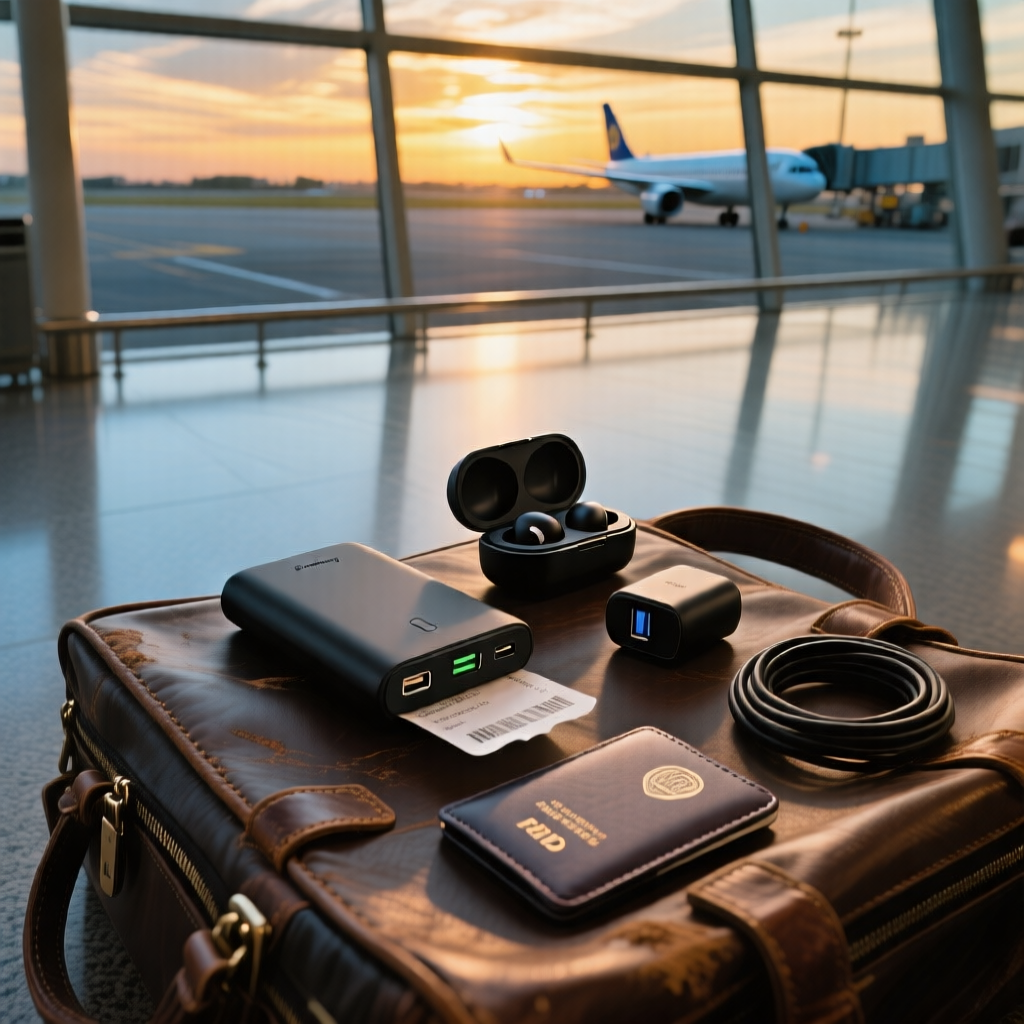
But here's the challenge: not every travel gadget is worth the luggage space or the investment. Some are genuinely transformative, while others collect dust after a single trip. This guide separates the must-haves from the nice-to-haves, drawing on what experienced travelers are actually using and recommending.
Why Travel Gadgets Matter: Benefits and Limitations
The right travel gadgets solve specific pain points. They keep your devices charged during long layovers, protect your belongings from theft, help you navigate unfamiliar cities, and maintain your health and comfort across different climates and time zones.
Key Benefits:
- Extended device battery life through portable power solutions
- Enhanced security for passports, credit cards, and valuables
- Improved connectivity in areas with limited WiFi or cellular service
- Better organization of cables, adapters, and small items
- Increased comfort during long flights and layovers
- Real-time translation and navigation capabilities
Limitations to Consider:
- Added weight and bulk to luggage
- Initial investment costs can be significant
- Not all gadgets work in every destination or climate
- Compatibility issues across different device ecosystems
- Battery degradation over time reduces effectiveness
- Some gadgets require learning curves or setup time
Essential Travel Gadget Categories
Travel gadgets naturally fall into several distinct categories, each addressing different traveler needs and pain points.
Power and Charging Solutions
Portable power banks remain the most essential travel gadget. Multi-port chargers that handle phones, tablets, and laptops simultaneously have become standard. Solar-powered options appeal to adventure travelers, while ultra-fast charging technology reduces downtime during brief layovers.
Connectivity Devices
Portable WiFi hotspots and international SIM card adapters keep you connected without relying on hotel or airport networks. Dual SIM phones are gaining popularity among frequent international travelers who need seamless switching between home and destination networks.
Security and Organization
RFID-blocking wallets, GPS luggage trackers, and smart locks address growing security concerns. Cable organizers and packing cubes maximize space while keeping items accessible and protected.
Comfort and Health
Travel pillows with memory foam, compression socks, and portable humidifiers help combat the physical toll of extended travel. Noise-canceling earbuds and sleep masks have become non-negotiable for many frequent flyers.
Navigation and Translation
Offline maps and AI-powered translation devices reduce anxiety in unfamiliar destinations. These gadgets are particularly valuable in regions where English isn't widely spoken.
Current Travel Gadget Trends
The travel tech landscape is rapidly evolving. Several trends are shaping what frequent travelers are purchasing and recommending:
Minimalism and Multi-Function: Rather than carrying separate gadgets for each task, travelers increasingly prefer multi-function devices. A single power bank with integrated cables and wireless charging eliminates the need for multiple items.
Sustainability Focus: Eco-conscious travelers are choosing rechargeable options over disposable batteries and seeking gadgets made from sustainable materials. Solar-powered chargers and durable, long-lasting devices appeal to environmentally aware adventurers.
AI and Smart Integration: Travel gadgets are becoming smarter. AI-powered luggage that tracks your location, predicts delays, and optimizes packing is entering the mainstream market.
Compact Design: Manufacturers are shrinking gadgets without sacrificing functionality. Ultra-compact power banks, foldable chargers, and collapsible items maximize utility while minimizing luggage impact.
Health and Wellness: Post-pandemic, travelers prioritize health-related gadgets: UV sanitizers for phones, portable air purifiers, and devices that monitor sleep quality and hydration.
Key Features to Look For
When evaluating travel gadgets, certain features consistently matter to experienced travelers:
| Feature Category | Why It Matters | What to Look For |
|---|---|---|
| Durability | Travel is rough on equipment; durability ensures long-term value | Military-grade materials, water resistance, drop testing certifications |
| Weight and Size | Every ounce counts in luggage; compact design saves space | Under 500g for power banks, foldable designs, minimal footprint |
| Charging Speed | Limited layover time demands fast charging capabilities | Fast charging protocols, multiple ports, high wattage output |
| Compatibility | You likely use multiple devices with different charging standards | USB-C, Lightning, Micro-USB support, universal adapters |
| Battery Capacity | Longer journeys require extended power reserves | 20,000mAh+ for international flights, solar backup options |
| Temperature Range | Extreme climates affect gadget performance and safety | Tested operation from -10°C to 50°C minimum |
Popular Travel Gadget Brands Leading the Market
Several companies have earned trust among frequent travelers through consistent quality and innovation:
Power and Charging: Anker dominates with reliable power banks and multi-port chargers. Mophie offers premium options with integrated cables. Goal Zero appeals to outdoor adventurers with solar solutions.
Connectivity: GlocalMe and Skyroam provide portable WiFi hotspots. eSIM providers like Airalo have revolutionized international connectivity without physical SIM cards.
Organization: Peak Design creates modular travel systems that adapt to different trip types. Bellroy specializes in minimalist wallets with RFID protection.
Comfort: Dyson's Supersonic hair dryer is compact yet powerful. Philips Sonicare travel toothbrushes maintain oral health on the road. Bose and Sony dominate noise-canceling audio.
Luggage and Tracking: Away and Rimowa offer smart luggage with integrated tracking. Apple AirTags and Tile devices provide affordable location tracking for any bag.
How to Select the Right Travel Gadgets for Your Needs
Not every gadget is right for every traveler. Your selection should match your specific travel patterns and pain points.
Assess Your Travel Style: Business travelers need different gadgets than backpackers. Frequent flyers prioritize power solutions and comfort, while adventure travelers prioritize durability and weather resistance.
Identify Your Pain Points: What frustrates you most during travel? Dead batteries? Lost luggage? Unreliable WiFi? Poor sleep? Your answers should guide your gadget priorities.
Consider Trip Duration: A weekend getaway requires different gear than a three-month expedition. Longer trips justify heavier, more capable gadgets.
Evaluate Destination Factors: Traveling to developed countries with reliable infrastructure requires different gadgets than remote or developing regions. Climate, altitude, and connectivity affect your needs.
Test Before Committing: Borrow or rent gadgets before purchasing. What works for your friend might not work for your travel style or device ecosystem.
Pro Tips from Frequent Travelers
Experienced travelers have learned valuable lessons about gadget selection and usage:
Start Minimal: Don't overload your luggage with gadgets. Begin with essentials—power bank, universal adapter, and one comfort item—then add based on actual needs.
Invest in Quality: Cheap gadgets often fail when you need them most. Mid-range options from trusted brands offer better reliability than budget alternatives.
Keep Cables Organized: Cable tangles waste time and damage equipment. Use cable organizers or small pouches to keep charging solutions accessible and protected.
Backup Your Backups: Bring redundancy for critical items. If your primary power bank fails, a backup ensures you stay connected.
Learn Your Gadgets Before Traveling: Don't discover how to use a gadget during your trip. Practice setup and operation at home to avoid frustration and wasted travel time.
Register Valuable Gadgets: Many manufacturers offer theft protection or extended warranties. Register your devices before traveling.
Keep Receipts and Warranties: Travel across borders is easier with documentation. Keep proof of purchase in case customs questions your gadgets.
Frequently Asked Questions About Travel Gadgets
What's the single most important travel gadget? A portable power bank. Your phone is your lifeline while traveling—for navigation, communication, translation, and documentation. A reliable power bank ensures you never face a dead battery during critical moments.
Are expensive travel gadgets worth the investment? Not always. Mid-range gadgets from established brands often deliver better value than premium options. Focus on features that solve your specific problems rather than brand prestige or price tags.
Can I bring gadgets through airport security? Most travel gadgets pass security screening without issues. Power banks must be in carry-on luggage, not checked bags. Check TSA or your country's aviation authority guidelines for specific restrictions on lithium batteries.
How do I keep gadgets safe while traveling? Use RFID-blocking pouches for sensitive items, enable tracking on valuable devices, keep gadgets in carry-on luggage when possible, and consider travel insurance for expensive equipment. Never leave gadgets unattended in public spaces.
What's the best universal adapter for international travel? Multi-port adapters that support multiple outlet types eliminate the need for several adapters. Look for options that include USB ports for direct device charging without separate power bricks.
How long do travel gadget batteries last? Most lithium-ion batteries degrade gradually over 2-3 years of regular use. A quality power bank should provide 80% of original capacity after 500 charge cycles. Proper storage and avoiding extreme temperatures extends lifespan.
Building Your Travel Gadget Checklist
Use this checklist to evaluate which gadgets align with your travel style:
- ☐ Portable power bank (20,000mAh minimum for international travel)
- ☐ Multi-port USB charger for simultaneous device charging
- ☐ Universal power adapter for your destination regions
- ☐ Noise-canceling earbuds or headphones
- ☐ Travel pillow with memory foam or inflatable design
- ☐ RFID-blocking wallet or pouch
- ☐ Cable organizer or tech pouch
- ☐ Portable WiFi hotspot or eSIM solution
- ☐ Luggage tracker (AirTag, Tile, or built-in smart luggage)
- ☐ Compression packing cubes
- ☐ Sleep mask and earplugs or white noise app
- ☐ Portable phone stand for video calls and content consumption
Conclusion: Invest Wisely in Your Travel Experience
Travel gadgets have transformed how we explore the world. The right tools reduce stress, maintain connectivity, protect valuables, and enhance comfort during journeys. However, not every gadget deserves space in your luggage.
Start by identifying your specific travel pain points. What frustrates you most? What would genuinely improve your experience? Focus your investment there rather than chasing every new gadget trend.
Quality matters more than quantity. A few well-chosen, reliable gadgets from trusted brands will serve you better than a collection of cheap alternatives. Test gadgets before committing to long-term use, and don't hesitate to adjust your tech arsenal as your travel style evolves.
The frequent travelers who swear by their gadgets aren't those with the most equipment—they're those with the right equipment for their specific needs. Use this guide to build a personalized travel tech setup that transforms your journeys from stressful to seamless.