Discover what unsold generators are, why they matter, and how to navigate this growing market segment. Learn the key differences, benefits, and practical selection strategies.
The generator market is experiencing a significant shift. As supply chains stabilize and consumer preferences evolve, unsold generators have become a notable market segment worth understanding. Whether you're researching backup power solutions or exploring cost-effective equipment options, knowing what unsold generators are—and how they differ from standard retail units—can help you make smarter purchasing decisions.
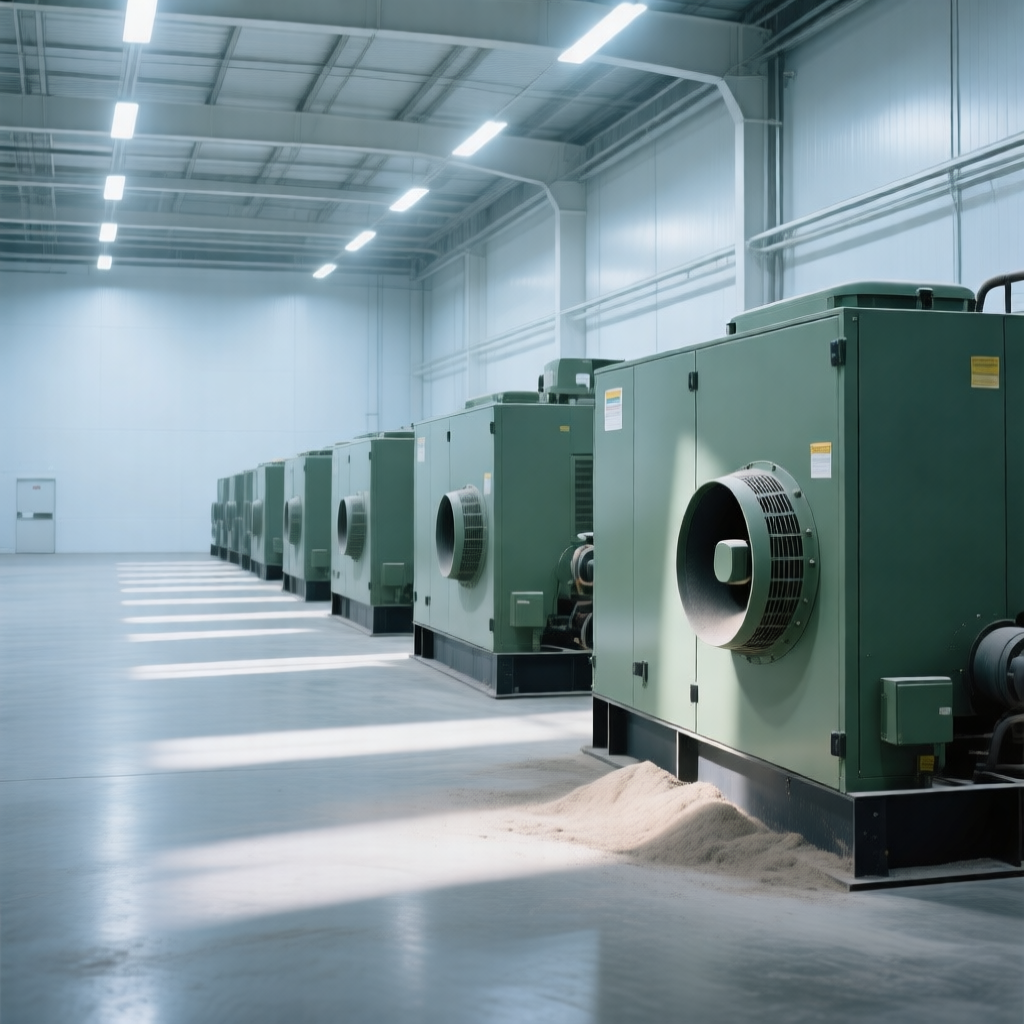
What Are Unsold Generators?
Unsold generators are power units that haven't sold through traditional retail channels within their expected timeframe. These include excess inventory from manufacturers, discontinued models, returned units that passed inspection, and overstock from distributors. They're not defective or inferior—they're simply units that didn't move through the normal sales pipeline.
Understanding the distinction matters. A unit sitting in a warehouse for two years hasn't been used; it's been stored. This differs fundamentally from a used generator that's been running. Unsold generators often represent genuine value opportunities when sourced from reputable channels.
Benefits and Limitations of Unsold Generators
Key Benefits
- Cost Savings: Typically priced 20-40% below retail, offering significant budget relief
- Newer Technology: Often feature current-generation specs and efficiency standards
- Warranty Coverage: Many retain manufacturer warranties or partial coverage
- Minimal Use: Storage doesn't degrade generators like operational hours do
- Bulk Availability: Easier to source multiple units for commercial needs
Important Limitations
- Storage Condition Uncertainty: Climate-controlled storage varies; some units may have fuel system issues
- Limited Selection: Specific models or configurations may be unavailable
- Warranty Gaps: Some coverage may be voided or limited
- Inspection Requirements: Professional testing recommended before deployment
- Return Policies: Often stricter than standard retail channels
Types of Unsold Generators
Manufacturer Overstock
Production runs that exceeded demand create legitimate inventory. These units are typically brand new, properly stored, and represent genuine surplus. Manufacturers often liquidate this inventory through B2B channels or authorized resellers.
Discontinued Models
When manufacturers introduce new product lines, previous generations become unsold. These aren't obsolete—they're simply replaced by newer versions. Discontinued models often feature proven reliability and solid performance specifications.
Returned Units
Customers return generators for various reasons: wrong specifications, project cancellations, or buyer's remorse. Professional refurbishment and testing ensure these units meet operational standards before resale.
Dealer Inventory Liquidation
Retailers closing locations or consolidating stock need to move inventory quickly. These units are typically recent inventory with minimal handling and full documentation.
Current Market Trends
Several trends are shaping the unsold generator market. First, supply chain normalization has increased inventory levels, making unsold units more available. Second, growing interest in renewable energy integration is creating demand for hybrid and dual-fuel generators. Third, commercial sectors are increasingly sourcing unsold inventory for cost optimization.
Environmental consciousness is also driving interest in cleaner-burning models, pushing older technology into the unsold category. This creates opportunities for buyers seeking specific efficiency standards at reduced prices.
Key Features to Evaluate
Power Output Specifications
Measured in kilowatts (kW), power output determines what appliances and systems your generator can support. Residential backup typically requires 5-20 kW, while commercial applications may need 50+ kW. Unsold units should clearly specify continuous and peak output ratings.
Fuel Type and Efficiency
Natural gas, propane, diesel, and gasoline generators each offer distinct advantages. Fuel efficiency—measured in gallons per hour—directly impacts operating costs. Newer unsold models often feature improved fuel efficiency compared to older inventory.
Runtime Capability
How long can your generator run on a full tank? Runtime ranges from 8-48 hours depending on load and fuel capacity. This specification is crucial for emergency preparedness planning.
Noise Levels
Measured in decibels (dB), noise output matters for residential and commercial settings. Modern unsold generators often feature quieter operation than older models, making them suitable for noise-sensitive environments.
Portability and Installation
Weight, dimensions, and connection requirements vary significantly. Some unsold units may be stationary installations, while others offer portable solutions. Verify installation requirements before purchase.
Comparison: Unsold vs. New vs. Used Generators
| Factor | Unsold Generators | New Retail | Used Generators |
|---|---|---|---|
| Price | 20-40% discount | Full retail | 30-60% discount |
| Warranty | Partial to full | Full manufacturer | Limited/None |
| Operating Hours | Minimal (storage only) | Zero | Variable/Unknown |
| Technology | Current generation | Latest features | Older specs |
| Availability | Limited selection | Full catalog | Varies widely |
| Condition Certainty | Good (storage) | Excellent | Uncertain |
Reputable Sources and Companies
Finding unsold generators through legitimate channels is essential. Authorized distributor networks, manufacturer liquidation programs, and certified B2B resellers typically offer the best protection. Major equipment retailers sometimes liquidate inventory through dedicated channels. Commercial equipment brokers specializing in power solutions often have access to bulk unsold inventory.
When evaluating sources, verify certifications, check return policies, and request documentation of storage conditions. Reputable sellers provide inspection reports, maintenance records, and clear warranty terms.
Selection Criteria and Decision Framework
Assessment Checklist
- ☐ Determine your actual power requirements (peak and continuous load)
- ☐ Identify preferred fuel type based on availability and storage
- ☐ Verify warranty coverage and duration
- ☐ Request storage condition documentation
- ☐ Confirm inspection and testing reports
- ☐ Review return policy and timeframe
- ☐ Compare total cost including delivery and installation
- ☐ Validate seller credentials and customer reviews
- ☐ Check fuel system condition and maintenance history
- ☐ Confirm technical support availability post-purchase
Matching Needs to Options
Residential backup power typically benefits from unsold portable or standby units in the 5-15 kW range. Small businesses might source 15-50 kW units for essential operations. Large commercial applications often require custom solutions, making unsold inventory less suitable unless sourced through specialized brokers.
Practical Tips for Purchasing
Request Pre-Purchase Inspections: Professional testing reveals fuel system integrity, electrical components, and operational readiness. This investment protects against hidden issues.
Verify Documentation: Manufacturing dates, storage conditions, previous ownership, and maintenance records provide transparency. Complete documentation increases confidence in your purchase.
Understand Warranty Scope: Know exactly what's covered, for how long, and what voids coverage. Some warranties exclude fuel system issues or require specific maintenance.
Plan Installation Properly: Unsold generators may require professional installation. Budget for permits, electrical work, and fuel connections.
Schedule Maintenance Before Use: Fresh fuel, oil changes, and system checks ensure optimal performance when you need it most.
Compare Total Cost: Price is just one factor. Factor in delivery, installation, warranty, and potential maintenance into your decision.
Frequently Asked Questions
Are unsold generators safe to use?
Yes, when sourced from reputable channels and properly inspected. Unsold generators haven't been used operationally—they've been stored. Professional inspection before deployment ensures safety and reliability.
How long do unsold generators typically last?
Lifespan depends on maintenance and usage, not storage duration. A properly maintained unsold generator can last 10,000-20,000+ hours. Storage actually preserves units better than continuous operation.
What's the warranty situation with unsold generators?
Warranties vary by source. Some retain full manufacturer coverage; others offer limited warranties. Always verify warranty terms in writing before purchase. Request documentation of any warranty transfer requirements.
Can I return an unsold generator if I'm not satisfied?
Return policies are typically stricter than retail. Many sellers offer limited return windows (7-30 days) with restocking fees. Review return policies carefully before committing to purchase.
How do I prepare an unsold generator for first use?
Start with professional inspection and testing. Replace fuel if stored over one year. Change oil, check filters, and verify all connections. Run under load for 15-20 minutes before relying on it for critical applications.
What fuel should I use in an unsold generator?
Follow manufacturer specifications exactly. Use fresh fuel—old fuel can damage fuel systems. For long-term storage, use fuel stabilizer. Propane and natural gas are more stable for extended storage than gasoline.
Conclusion
Understanding unsold generators opens doors to significant value in the power equipment market. These units—whether manufacturer overstock, discontinued models, or returned inventory—represent legitimate opportunities when sourced thoughtfully. The key is approaching purchases strategically: verify sources, request inspections, understand warranties, and match specifications to actual needs.
Unsold generators aren't inferior alternatives; they're smart purchasing decisions for informed buyers. By following the selection criteria and practical tips outlined in this guide, you can confidently navigate this market segment and find reliable backup power solutions that deliver excellent value without compromising quality or safety.