Discover proven skin rejuvenation methods designed for beginners. Learn essential techniques to restore radiance and transform your complexion naturally.
Skin rejuvenation is one of the most sought-after beauty goals, yet many beginners feel overwhelmed by the endless options available. Whether you're noticing fine lines, dull texture, or loss of firmness, understanding the fundamentals of skin rejuvenation can help you make informed decisions. This guide breaks down essential methods, from at-home treatments to professional options, helping you discover what works best for your skin type and concerns.
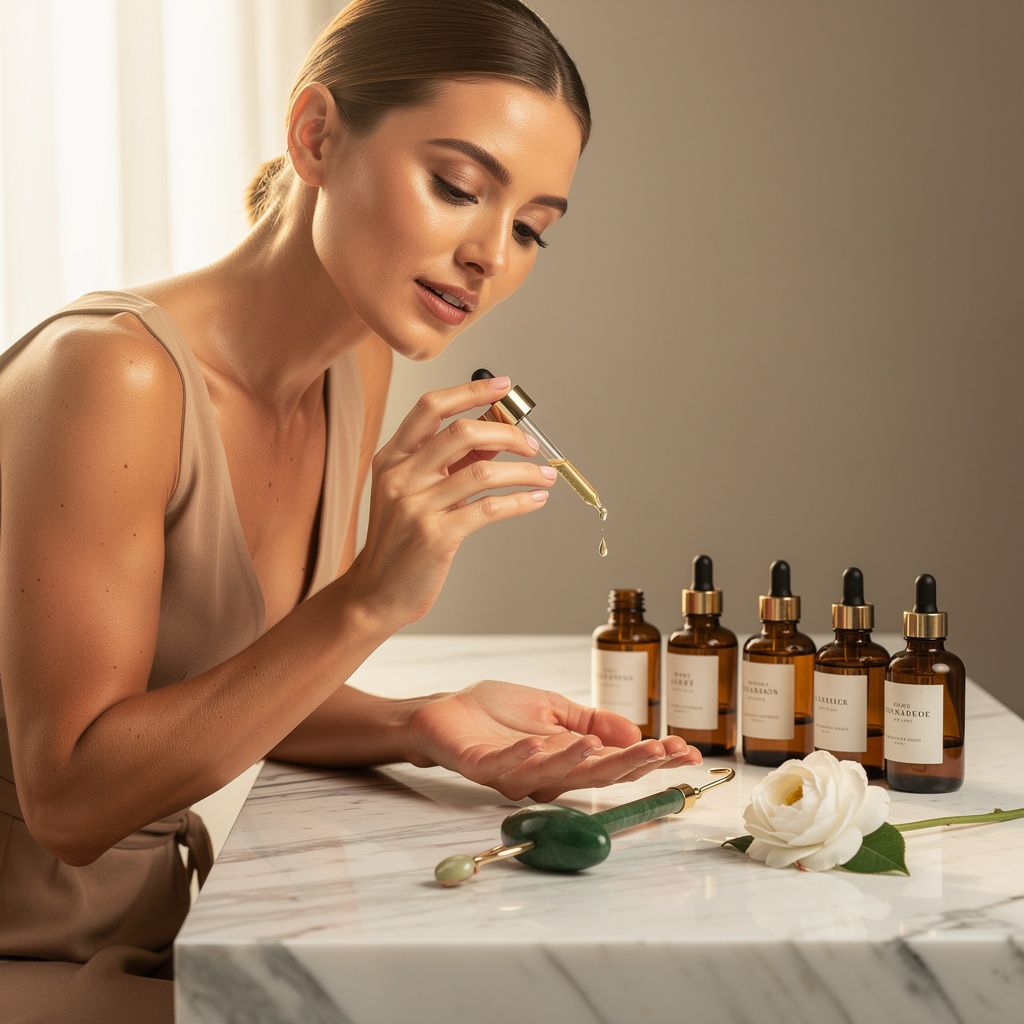
Understanding Skin Rejuvenation: Benefits and Limitations
Skin rejuvenation encompasses a range of treatments designed to improve skin appearance, texture, and health. The primary benefits include reduced fine lines and wrinkles, improved skin tone and texture, enhanced collagen production, and increased skin elasticity. However, it's important to understand that results vary based on your starting point, skin type, and the specific method chosen.
Limitations include the need for consistency (especially with at-home methods), potential temporary side effects from professional treatments, and the reality that results develop gradually rather than overnight. Understanding both benefits and limitations helps set realistic expectations and ensures you choose sustainable approaches.
Essential Skin Rejuvenation Methods for Beginners
There are several proven categories of skin rejuvenation methods, each with distinct mechanisms and benefits:
1. Topical Treatments and Skincare
This is the foundation of any rejuvenation routine. Retinoids, vitamin C serums, hyaluronic acid, and peptides work at the cellular level to stimulate collagen, improve texture, and brighten skin. These are accessible, affordable, and can be incorporated into daily routines with minimal downtime.
2. Professional Non-Invasive Treatments
Treatments like microdermabrasion, chemical peels, and light-based therapies (LED, IPL) remove dead skin cells and stimulate renewal. These typically require multiple sessions but deliver noticeable results without surgery or significant recovery time.
3. Minimally Invasive Procedures
Microneedling, laser resurfacing, and radiofrequency treatments trigger the body's natural healing response, boosting collagen production. These offer more dramatic results than topical treatments but require downtime and professional administration.
Current Skin Rejuvenation Trends for 2024
The skincare industry continues to evolve with emerging technologies and approaches. Personalized skincare based on genetic and microbiome analysis is gaining traction. Combination treatments—using multiple complementary methods simultaneously—are becoming standard practice among dermatologists. Additionally, there's increased focus on preventative rejuvenation, with younger individuals adopting early intervention strategies.
Natural and sustainable ingredients are also trending, with consumers seeking effective solutions that align with environmental values. The rise of at-home professional-grade devices has democratized access to advanced treatments previously available only in clinics.
Key Features of Effective Rejuvenation Methods
Effective skin rejuvenation methods share common characteristics:
- Evidence-based: Supported by clinical studies and dermatological research
- Customizable: Can be tailored to individual skin types and concerns
- Progressive: Deliver cumulative results with consistent application
- Safe: Minimal risk of adverse effects when used correctly
- Sustainable: Can be maintained long-term without diminishing returns
- Accessible: Available at various price points and commitment levels
Comparison: Rejuvenation Methods at a Glance
| Method | Timeframe for Results | Downtime | Cost Range | Best For |
|---|---|---|---|---|
| Topical Treatments | 6-12 weeks | None | Low | Daily maintenance, prevention |
| Chemical Peels | 2-4 weeks | 3-7 days | Moderate | Texture, tone, fine lines |
| Microdermabrasion | 4-8 weeks | 1-3 days | Moderate | Surface texture, dullness |
| Microneedling | 4-8 weeks | 3-5 days | Moderate-High | Collagen stimulation, scars |
| Laser Resurfacing | 2-6 weeks | 5-14 days | High | Deep wrinkles, significant damage |
| Radiofrequency | 6-12 weeks | None-minimal | High | Firmness, elasticity |
Trusted Approaches and Professional Standards
Leading dermatologists recommend a layered approach to skin rejuvenation. Start with a solid foundation of evidence-based topical treatments, then incorporate professional treatments based on your specific concerns and skin condition. The most successful outcomes come from consistency, patience, and professional guidance tailored to your unique skin.
Reputable dermatology associations emphasize the importance of patch testing new products, using sunscreen daily (as UV damage reverses rejuvenation efforts), and consulting professionals before starting new treatments, especially if you have sensitive skin or existing conditions.
Choosing the Right Rejuvenation Method: Selection Guide
Consider these factors when selecting a rejuvenation approach:
- Your primary concern: Fine lines, texture, tone, firmness, or overall dullness?
- Skin type: Sensitive, oily, dry, or combination skin responds differently to treatments
- Timeline: How quickly do you need results?
- Downtime tolerance: Can you manage recovery time or do you need minimal downtime?
- Budget: What investment level are you comfortable with?
- Consistency ability: Can you commit to ongoing treatments or daily routines?
Beginner's Tips for Starting Your Rejuvenation Journey
Start slow: Introduce one new treatment or product at a time to assess how your skin responds. Rushing into multiple treatments simultaneously can cause irritation and confusion about what's actually working.
Patch test everything: Apply new products to a small area first, waiting 24-48 hours before full application. This prevents adverse reactions on your entire face.
Prioritize sun protection: Sunscreen is non-negotiable. UV damage undoes rejuvenation efforts, making daily SPF 30+ essential regardless of which treatments you choose.
Be patient with results: Most rejuvenation methods require 6-12 weeks of consistent use before noticeable improvements appear. Skin cell turnover takes time.
Consult professionals: Before starting professional treatments, get a consultation with a dermatologist or licensed esthetician. They can assess your skin and recommend the most effective approach for your specific needs.
Document your journey: Take photos under consistent lighting to track progress. Changes are often subtle and easier to see visually over time.
Frequently Asked Questions About Skin Rejuvenation
How long does it take to see results from skin rejuvenation?
Results depend on the method. Topical treatments typically show subtle changes within 6-8 weeks, with more noticeable improvements by 12 weeks. Professional treatments like chemical peels show results within 2-4 weeks, while deeper procedures like laser resurfacing may take 6-12 weeks as skin continues healing and collagen remodels.
Can beginners use professional treatments, or should they start with at-home methods?
Both approaches are valid. Many beginners benefit from starting with at-home topical treatments to understand their skin's response, then gradually incorporating professional treatments. However, if you have specific concerns like significant scarring or deep wrinkles, professional treatments may deliver faster results. Consult a dermatologist to determine the best starting point for your situation.
Is skin rejuvenation safe for all skin types?
Most rejuvenation methods can be adapted for different skin types, but some require modifications. Sensitive skin may need gentler approaches and longer intervals between treatments. Darker skin tones require specific laser settings to avoid hyperpigmentation. Professional guidance ensures treatments are tailored safely to your unique skin.
What's the difference between rejuvenation and anti-aging treatments?
Rejuvenation focuses on restoring and improving existing skin condition—addressing current damage, texture, and tone. Anti-aging is more preventative, aimed at slowing visible aging signs before they become pronounced. In practice, most treatments serve both purposes simultaneously.
How much does a complete skin rejuvenation routine cost?
Costs vary dramatically. A basic at-home routine with quality topical treatments ranges from $50-200 monthly. Professional treatments range from $100-500 per session, with most requiring multiple sessions. Comprehensive approaches combining methods may cost $200-1000+ monthly initially, then decrease during maintenance phases.
Can I combine different rejuvenation methods?
Yes, combination approaches often deliver superior results. For example, pairing topical retinoids with professional peels, or microneedling with radiofrequency. However, timing matters—some treatments need spacing to avoid over-stressing skin. Always consult professionals before combining treatments.
What happens if I stop rejuvenation treatments?
Results are not permanent. If you stop treatments, skin gradually returns to its previous condition over weeks to months. This is why maintenance is important. However, the improvements you've made to skin health (like increased collagen) provide some lasting benefits even after stopping.
Conclusion: Starting Your Skin Rejuvenation Journey
Skin rejuvenation is accessible to everyone, regardless of age, skin type, or budget. The key is understanding your specific concerns, choosing evidence-based methods, and committing to consistency. Whether you start with topical treatments, professional procedures, or a combination approach, the most important step is beginning. Your skin has remarkable capacity to improve and renew itself with the right support. Start with one method, be patient with results, and adjust your approach based on how your skin responds. With time and dedication, you'll discover the rejuvenation strategy that transforms your complexion and boosts your confidence.