Discover which bathroom surface wins: wall panels or tiles? Compare durability, style, cost, and installation in this complete guide to transform your space.
Your bathroom walls deserve more than just a coat of paint. When it comes to creating a beautiful, durable, and functional bathroom, the surface you choose sets the entire tone. Two powerhouse options dominate the market: traditional tiles and modern wall panels. Both have passionate advocates, but which one truly wins the bathroom showdown? Let's dive deep into what makes each option special, and more importantly, which one might be perfect for your home.
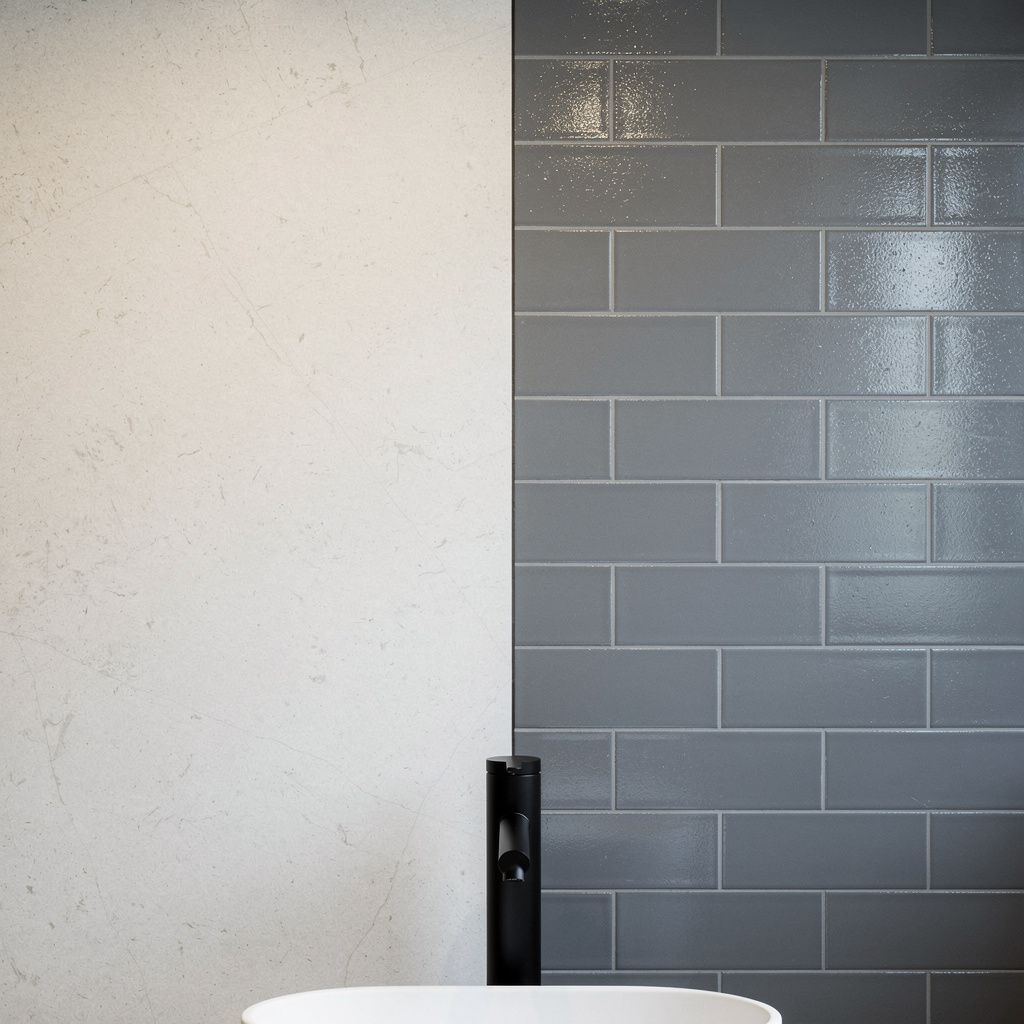
Understanding Wall Panels vs. Tiles: The Core Differences
Wall panels and tiles represent two fundamentally different approaches to bathroom design. Tiles are individual pieces—typically ceramic, porcelain, or natural stone—that are installed one by one using adhesive and grout. They've been the gold standard for bathrooms for decades, and for good reason. Wall panels, on the other hand, are larger, pre-fabricated sheets made from materials like PVC, acrylic, or composite materials. They're designed to cover larger areas quickly, often with minimal seams.
The philosophical difference is striking: tiles are about precision and customization, while panels are about efficiency and seamless coverage. Understanding this distinction is crucial to making the right choice for your space.
Benefits and Limitations: The Real Story
Wall Panels: The Modern Convenience Factor
Advantages:
- Lightning-fast installation—panels cover large areas in hours, not days
- Seamless appearance with minimal grout lines, creating a sleek, modern look
- Superior waterproofing with fewer seams where water can penetrate
- Low maintenance—no grout to clean or seal regularly
- Consistent appearance without color variation between pieces
- Softer underfoot and quieter than tiles
Limitations:
- Less heat-resistant than tiles—can warp in extremely hot conditions
- Prone to scratching and denting with heavy impact
- Limited design variety compared to tile options
- Can look plastic-like if lower-quality materials are used
- Shorter lifespan than premium tiles (typically 10-15 years vs. 20+ years)
Tiles: The Timeless Durability Champion
Advantages:
- Exceptional durability—porcelain tiles can last 20+ years with proper care
- Heat-resistant and won't warp or discolor from steam and humidity
- Unlimited design possibilities—colors, patterns, textures, sizes, and materials
- Adds genuine value to your home's resale appeal
- Easy to replace individual tiles if damage occurs
- Works beautifully with radiant heating systems
Limitations:
- Installation takes significantly longer and requires skilled labor
- Grout requires regular cleaning, sealing, and maintenance
- Grout lines can harbor mold and mildew if not properly maintained
- Cold and hard underfoot—can feel uncomfortable
- Chipping and cracking possible with heavy impacts
- Higher upfront costs for materials and professional installation
Types and Materials: What's Available?
Wall Panel Materials
PVC Panels: The budget-friendly option, lightweight and easy to install. Perfect for renters or temporary solutions, but less durable than alternatives.
Acrylic Panels: More durable than PVC, with better aesthetic appeal. Resists scratching better and maintains a glossy finish longer.
Composite Panels: Premium option combining multiple materials for enhanced durability and realistic stone or wood appearance. Best for high-end renovations.
Tile Materials
Ceramic Tiles: Affordable and available in countless designs. Less durable than porcelain, more prone to chipping.
Porcelain Tiles: The premium choice—denser, more durable, and better at resisting moisture. Higher cost but exceptional longevity.
Natural Stone Tiles: Marble, granite, and slate offer unmatched luxury and uniqueness. Require regular sealing and maintenance, with premium pricing.
Installation and Labor: Time and Cost Considerations
Installation speed is where wall panels shine. A typical bathroom with panels can be completed in 1-2 days, while tile installation often takes 5-7 days or longer. This translates directly to labor costs—panels require less skilled installation, while tiles demand experienced professionals.
However, don't let speed fool you into overlooking quality. Proper surface preparation is critical for both options. Walls must be perfectly flat, clean, and dry. Cutting corners on preparation—whether for panels or tiles—will result in poor adhesion, visible imperfections, and premature failure.
Design Flexibility and Aesthetics: Creating Your Vision
Tiles offer virtually unlimited design possibilities. Mix and match colors, create patterns, combine different sizes, and achieve truly custom looks. Want a spa-like retreat with large format porcelain? A vintage bathroom with small hexagonal tiles? A bold geometric pattern? Tiles can deliver it all.
Wall panels, while improving in design options, remain more limited. Most panels mimic stone or marble finishes, and your choices typically involve selecting the finish style and color. However, newer composite panels are becoming increasingly sophisticated, with realistic textures that rival natural stone.
Durability and Longevity: Playing the Long Game
Quality porcelain tiles can outlast a homeowner's tenure in a house. They're virtually immune to water damage, heat, and humidity. A well-maintained tile bathroom from 30 years ago still looks fresh today.
Wall panels, while improving, typically have a 10-15 year lifespan before showing signs of wear. They can yellow, scratch, or develop soft spots. This means eventual replacement, whereas tiles are often a one-time investment.
Maintenance Reality Check: What You'll Actually Do
Let's be honest: maintenance matters because it's what you'll actually do (or won't do) after installation.
Wall Panels: Wipe down with a damp cloth weekly. No special products needed. Grout-free means no mold growth in seams. This simplicity is genuinely life-changing for busy homeowners.
Tiles: Grout requires regular cleaning with brushes or specialized cleaners. Annual sealing is recommended for natural stone. Mold prevention requires good ventilation and periodic attention. More work, but manageable with routine care.
Comparison Table: Side-by-Side Analysis
| Feature | Wall Panels | Tiles |
|---|---|---|
| Installation Time | 1-2 days | 5-7 days |
| Lifespan | 10-15 years | 20+ years |
| Maintenance | Minimal (wipe clean) | Moderate (grout care) |
| Design Options | Limited | Unlimited |
| Waterproofing | Excellent (few seams) | Excellent (with proper grout) |
| Durability | Good | Excellent |
| Heat Resistance | Moderate | Excellent |
| Comfort (underfoot) | Softer | Harder/Colder |
| Repair Difficulty | Difficult (seams) | Easy (replace individual tiles) |
| Home Resale Value | Neutral | Positive |
Current Trends and Innovations
The bathroom design world is evolving rapidly. Large-format porcelain tiles (24"x48" and larger) are trending because they minimize grout lines while maintaining tile durability. Matte finishes are replacing glossy surfaces for a more sophisticated look.
Wall panel technology is advancing too. New composite materials are becoming more heat-resistant and scratch-resistant. Some manufacturers now offer panels with subtle texture variations that rival natural stone authenticity.
The "wet room" concept—seamless, fully waterproofed spaces—is driving innovation in both categories. Wall panels excel here due to minimal seams, while tiles are being installed with advanced waterproofing membranes beneath them.
Selection Guide: Making Your Decision
Choose Wall Panels If:
- You prioritize quick installation and low maintenance
- You're renting or planning to move within 10 years
- Your bathroom has awkward angles or difficult layouts
- You want a modern, seamless aesthetic
- You prefer minimal grout cleaning
Choose Tiles If:
- You want a timeless investment that lasts 20+ years
- You're a homeowner planning to stay long-term
- You want unlimited design customization
- You value resale appeal and home value
- You're willing to maintain grout properly
- You want to use radiant floor heating
Pro Tips for Success
- Ventilation First: Regardless of your choice, proper bathroom ventilation prevents moisture damage. Install an exhaust fan rated for your bathroom size.
- Surface Prep is Everything: Walls must be perfectly flat, clean, and dry. This is non-negotiable for both panels and tiles.
- Waterproofing Matters: Use waterproofing membranes behind tiles, especially in wet areas. Quality panels already include waterproofing.
- Professional Installation Pays Off: DIY might save money short-term, but professional installation ensures longevity and proper warranty coverage.
- Sample Before Committing: Get large samples of both options and live with them in your bathroom lighting for a few days.
- Consider Your Climate: Hot, humid climates favor tiles. Cooler climates work well with either option.
Frequently Asked Questions
Can you install wall panels over existing tiles?
Yes, if the tiles are firmly adhered and the surface is clean and dry. However, this adds height to your walls and may complicate plumbing fixtures. Removing old tiles is usually cleaner and more durable.
Do wall panels work in wet areas like shower surrounds?
Premium acrylic and composite panels work well in shower surrounds when properly installed with quality waterproofing. Budget PVC panels are less suitable for direct water exposure. Tiles remain the gold standard for wet areas.
How often should you seal grout?
Grout should be sealed every 1-3 years depending on usage and grout type. Unsealed grout is porous and absorbs water, leading to mold and structural issues.
Are wall panels slippery in showers?
Quality panels have textured finishes that provide good grip. However, tiles with proper slip-resistant finishes are still considered safer in wet areas.
What's the environmental impact of each option?
Tiles, especially porcelain, are more durable and last longer, reducing replacement waste. However, tile production is energy-intensive. Wall panels are often made from recycled materials but have shorter lifespans. Choose based on durability and longevity for lower environmental impact.
Can you combine both wall panels and tiles in one bathroom?
Absolutely! Many designers use tiles in high-moisture areas (shower surround, tub surround) and panels on other walls. This hybrid approach combines the best of both worlds—durability where it matters most and efficiency elsewhere.
Conclusion: Your Bathroom, Your Choice
There's no universally "best" answer in the wall panels vs. tiles debate. The right choice depends on your priorities, timeline, budget, and long-term vision for your home.
Wall panels offer modern convenience, quick installation, and low maintenance—perfect for those who prioritize ease and speed. Tiles deliver timeless durability, unlimited design possibilities, and genuine home value appreciation—ideal for those investing in their space for the long haul.
Consider your bathroom's specific needs, your personal aesthetic preferences, and your commitment to maintenance. Many homeowners find that combining both options—tiles in wet areas, panels elsewhere—delivers the perfect balance. Whatever you choose, invest in quality materials and professional installation. Your bathroom will thank you for years to come.