Discover how to find quality used gym equipment that fits your budget and fitness goals. Learn insider tips for spotting deals and avoiding costly mistakes.
Building a home gym is one of the smartest investments you can make for your health and fitness journey. But let's be honest—new gym equipment carries a hefty price tag that can discourage even the most motivated fitness enthusiasts. That's where second-hand gym equipment becomes a game-changer. Buying used doesn't mean compromising on quality or effectiveness. In fact, many experienced fitness enthusiasts prefer the pre-loved market because it offers exceptional value, environmental benefits, and access to premium brands at fraction of the cost.
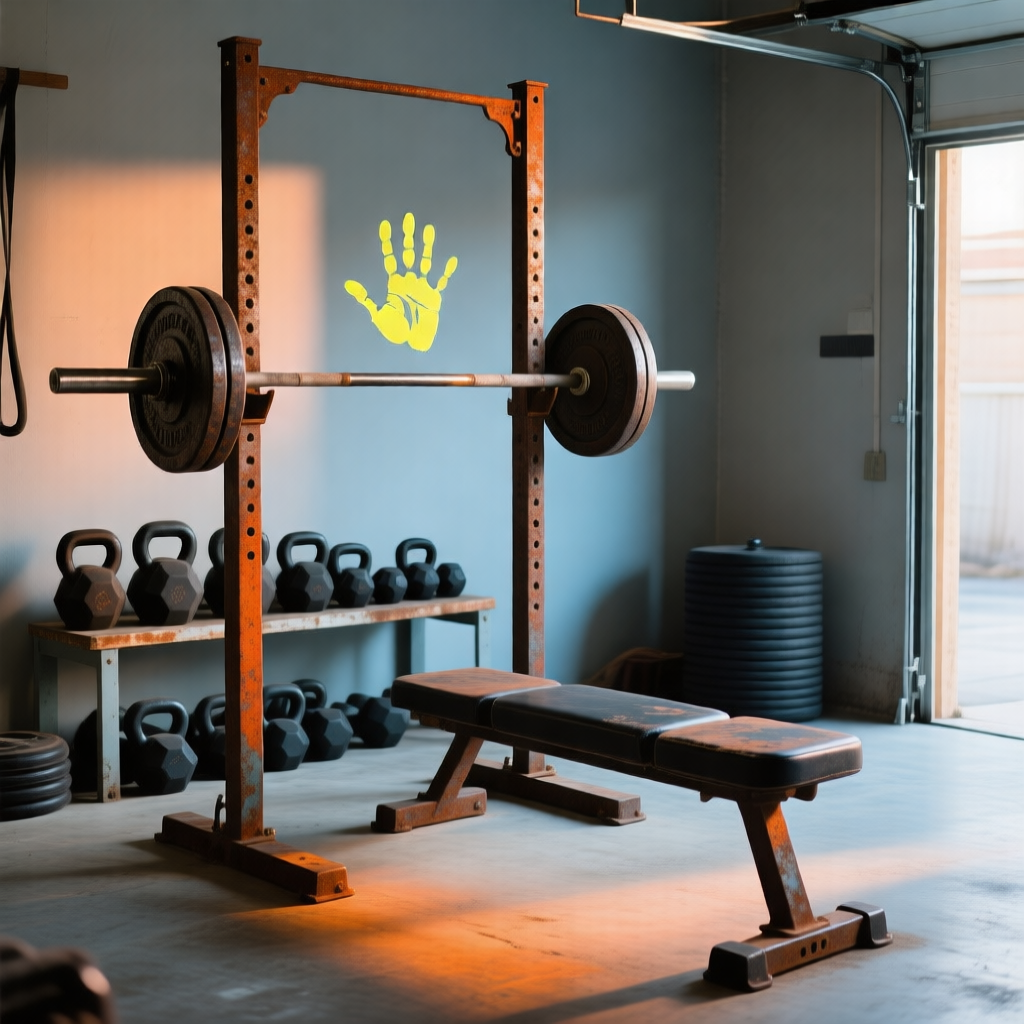
Benefits and Limitations of Second-Hand Gym Equipment
Understanding both sides of the equation helps you make informed decisions. Second-hand equipment offers undeniable advantages, but it's important to recognize potential challenges too.
Key Benefits
- Significant Cost Savings: Save 40-70% compared to retail prices on dumbbells, barbells, treadmills, and more
- Environmental Impact: Reduce waste by giving equipment a second life instead of contributing to landfills
- Access to Premium Brands: Afford high-end equipment from brands like Rogue, Bowflex, or Peloton at budget-friendly prices
- Flexibility: Test equipment before committing to your home gym setup
- Faster Availability: Often find exactly what you need without waiting for shipping
Limitations to Consider
- Wear and tear may affect longevity and performance
- Limited warranty or return policies compared to new purchases
- Transportation and logistics can be challenging for heavy items
- Availability varies by location and season
- Potential safety concerns if equipment isn't properly maintained
Types of Second-Hand Gym Equipment Worth Buying
Not all used equipment is created equal. Some items hold their value and durability better than others, making them smarter purchases in the second-hand market.
Best Equipment to Buy Used
- Free Weights: Dumbbells, barbells, and plates are virtually indestructible and rarely wear out
- Benches: Weight benches, adjustable benches, and specialty benches maintain functionality for decades
- Racks and Stands: Power racks, squat racks, and pull-up bars are durable steel structures
- Kettlebells: Simple design means minimal wear; cast iron kettlebells last forever
- Resistance Bands: If stored properly, bands remain effective for years
- Medicine Balls: Solid construction makes them reliable purchases
Equipment to Approach Cautiously
- Treadmills: Motors and electronics wear out; verify functionality before buying
- Ellipticals: Complex mechanics require thorough inspection
- Stationary Bikes: Electronics and resistance systems may have limited lifespan
- Cable Machines: Cables and pulleys deteriorate with heavy use
Current Trends in the Second-Hand Fitness Market
The used gym equipment market has evolved dramatically, especially post-pandemic. Understanding current trends helps you navigate the landscape more effectively.
- Digital Marketplaces Dominate: Online platforms have replaced traditional classified ads, offering broader selection and safer transactions
- Premium Home Gym Movement: More people investing in quality home setups means better equipment availability
- Specialty Equipment Growth: Increased demand for niche items like resistance bands, foam rollers, and functional training gear
- Sustainability Focus: Eco-conscious buyers actively seeking used options to reduce environmental impact
- Rental-to-Purchase Options: Some sellers offer flexible arrangements for buyers testing equipment
Essential Features to Look For
When evaluating second-hand gym equipment, focus on these critical features that determine value and longevity:
| Feature | What to Check | Red Flags |
|---|---|---|
| Structural Integrity | No bends, cracks, or rust; solid welds on metal equipment | Visible damage, loose components, severe corrosion |
| Functionality | All moving parts operate smoothly; electronics work properly | Grinding sounds, stuck mechanisms, non-responsive displays |
| Cleanliness | Well-maintained appearance; minimal dust or buildup | Heavy rust, mold, unpleasant odors, neglected condition |
| Documentation | Original manuals, warranty information if available | No documentation; unclear history or ownership |
| Price Reasonableness | Matches market rates for condition and age | Suspiciously cheap; unrealistic pricing |
Where to Find Quality Second-Hand Equipment
Success in the used equipment market depends on knowing where to look. Different platforms offer varying advantages and buyer protections.
Top Marketplaces
- Facebook Marketplace: Local options, direct seller communication, flexible negotiation
- Craigslist: Extensive listings, established platform, buyer protection guidelines
- OfferUp: Mobile-first approach, rating system, secure payment options
- Letgo: User-friendly interface, local focus, messaging features
- Specialty Fitness Sites: Dedicated platforms attracting serious fitness buyers and sellers
- Local Gyms: Often sell used equipment when upgrading; staff can verify condition
- Estate Sales and Auctions: Occasional gems from downsizing households
Inspection Checklist Before Purchasing
Never buy equipment sight-unseen. Use this comprehensive checklist to evaluate condition and value:
- ☐ Inspect all surfaces for rust, cracks, or damage
- ☐ Test all moving parts multiple times; listen for unusual sounds
- ☐ Check weight markings are clearly visible and accurate
- ☐ Verify electronic displays work (if applicable)
- ☐ Examine padding for tears, compression, or deterioration
- ☐ Test adjustment mechanisms and safety features
- ☐ Ask about maintenance history and previous usage
- ☐ Photograph all angles for your records
- ☐ Verify seller's credibility through reviews or references
- ☐ Confirm price aligns with comparable listings
Negotiation Strategies and Tips
Buying second-hand equipment often involves negotiation. These strategies help you secure the best deals while maintaining fair relationships with sellers.
Effective Negotiation Tactics
- Research Market Rates: Know typical pricing for similar items in your area before making offers
- Point Out Minor Issues: Use small imperfections as leverage for price reduction
- Bundle Purchases: Offer to buy multiple items for a package discount
- Cash Incentive: Many sellers prefer immediate payment; offer slightly less for cash transactions
- Timing: End of season or month often brings motivated sellers
- Be Respectful: Polite negotiation builds goodwill and better outcomes
- Walk Away Ready: Don't overpay; other opportunities will emerge
Frequently Asked Questions
Is it safe to buy used gym equipment?
Yes, when you inspect thoroughly and buy from reputable sellers. Most gym equipment is built to withstand heavy use. Free weights, benches, and racks are particularly safe purchases. Exercise caution with motorized equipment and always test functionality before committing.
How do I know if used equipment is worth the price?
Compare prices on current marketplace listings for similar items. Research retail prices to understand typical discounts. Factor in condition, age, and included accessories. Generally, you should expect 40-60% off retail pricing for well-maintained equipment.
What payment methods are safest for second-hand purchases?
Meet in person and pay cash when possible. If using digital payments, choose platforms with buyer protection. Avoid wire transfers or untraceable payment methods. Use secure payment features offered by marketplaces like PayPal or Venmo for added protection.
How should I transport heavy equipment?
Plan logistics before purchasing. Arrange transportation with a truck or trailer if needed. Some sellers offer delivery for an additional fee. Ask about disassembly options for large items. Never strain yourself; hire movers if equipment is extremely heavy.
Should I ask for warranty information on used equipment?
Absolutely. Ask if original warranty transfers to new owners. Many manufacturers honor warranties regardless of ownership. Get documentation in writing. For equipment without warranty, negotiate a lower price to account for risk.
How can I avoid scams when buying online?
Meet in safe public locations during daylight. Verify seller credentials and reviews. Never send money before seeing equipment. Trust your instincts—if something feels off, walk away. Use platform-provided messaging to keep communication documented.
Conclusion
Building an effective home gym through second-hand equipment is a smart financial decision that doesn't compromise on quality or results. The key to success lies in knowing what to buy, where to look, and how to inspect thoroughly. Free weights, benches, and racks are excellent second-hand purchases that deliver years of reliable performance. Take time to research marketplace options, compare prices, and negotiate fairly. By following the inspection checklist and avoiding common pitfalls, you'll assemble a gym setup that rivals commercial facilities at a fraction of the cost. Start your search today and discover how the second-hand market can transform your fitness journey without breaking your budget.