Discover what makes Catholic high schools unique. Learn about values-based education, academic excellence, and faith-centered community that shapes students' futures.
Choosing a high school is one of the most significant decisions families make. Catholic high schools in America offer a distinctive educational experience that combines academic excellence with spiritual development and character formation. Whether you're a parent exploring options or a student considering your future, understanding what Catholic high schools provide is essential. These institutions have shaped millions of lives through their commitment to faith-centered learning, rigorous academics, and strong community values.
What Defines Catholic High Schools?
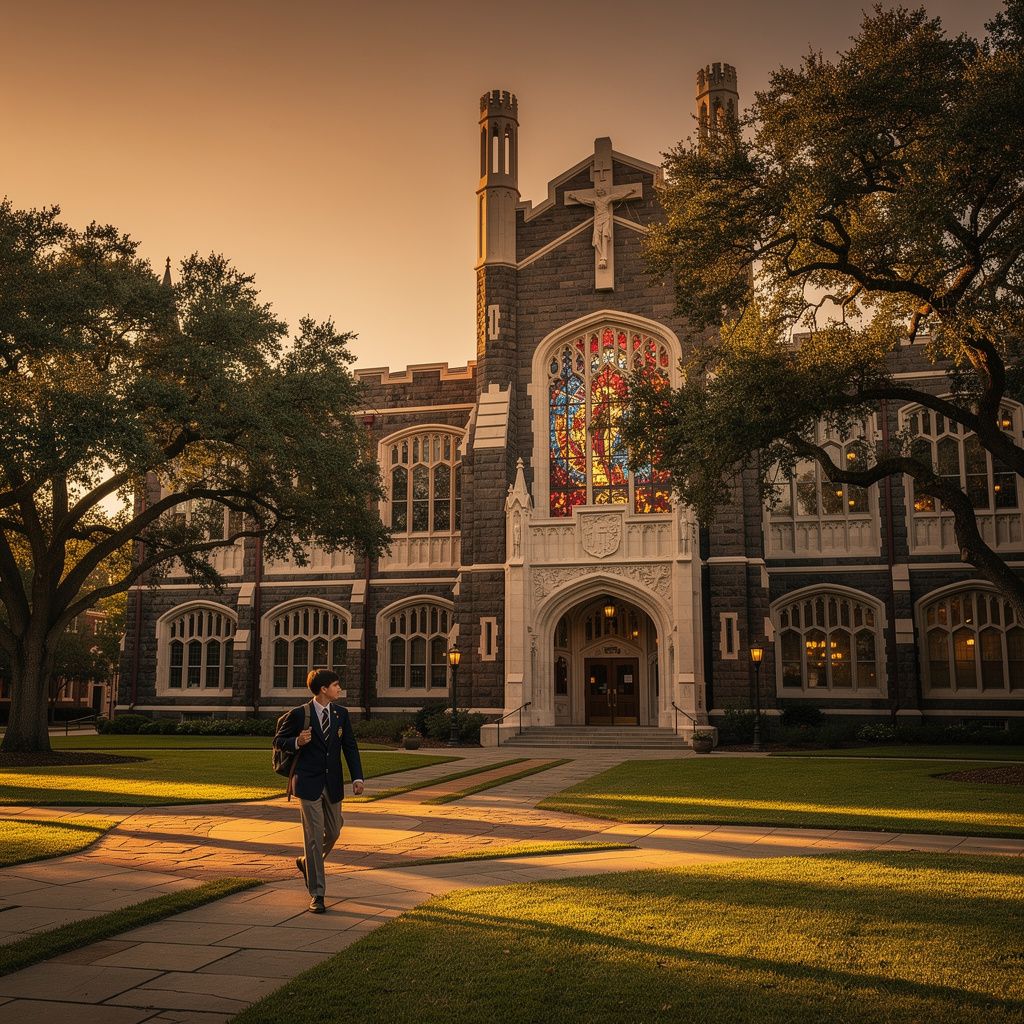
Catholic high schools are private institutions operated under the authority of the Catholic Church, typically through dioceses or religious communities. They integrate Catholic teachings, moral education, and spiritual formation into every aspect of school life. Unlike public schools, Catholic high schools have the freedom to incorporate religious instruction, prayer, and faith-based activities into their daily operations.
These schools serve students of all faith backgrounds, though they maintain their Catholic identity and mission. The educational philosophy emphasizes developing the whole person—intellectually, spiritually, morally, and socially. Students engage in service learning, community outreach, and faith exploration as core components of their education.
Core Benefits of Catholic Education
Catholic high schools deliver multiple advantages that attract families seeking alternatives to traditional public education:
- Values-Based Education: Curriculum explicitly incorporates ethical reasoning, moral development, and character formation alongside academic subjects.
- Spiritual Growth: Regular Mass attendance, prayer, and religious instruction help students develop their faith and explore deeper questions about meaning and purpose.
- Strong Community: Smaller class sizes and tight-knit communities create environments where students feel known and supported by faculty and peers.
- Academic Excellence: Catholic schools consistently rank among top-performing institutions, with high college acceptance rates and standardized test scores.
- Service Orientation: Mandatory service learning and volunteer opportunities instill compassion and social responsibility from an early age.
- Safe Environment: Faith-based discipline policies and values-focused culture typically create safer, more respectful school environments.
Challenges and Limitations
While Catholic high schools offer significant benefits, families should consider potential limitations:
- Cost: Tuition typically ranges from $8,000 to $25,000+ annually, creating financial barriers for many families despite scholarship opportunities.
- Geographic Limitations: Catholic schools aren't available in all areas, requiring families to travel or relocate for access.
- Religious Requirements: Students must participate in religious activities regardless of personal faith, which some families find restrictive.
- Diversity Considerations: Some Catholic schools lack racial, socioeconomic, or religious diversity, limiting exposure to different perspectives.
- Curriculum Constraints: Certain topics may be taught from a Catholic perspective, which some families view as limiting critical thinking.
Types of Catholic High Schools
Catholic high schools vary significantly in their approach, size, and focus areas:
Traditional Diocesan Schools
These schools operate under direct diocesan authority and serve their local Catholic communities. They typically offer comprehensive curricula and maintain strong connections to parish life and local parishes.
Religious Community Schools
Operated by specific religious orders (Jesuits, Christian Brothers, Dominican Sisters, etc.), these schools often emphasize their particular charism and educational philosophy. Jesuit schools, for example, focus on "cura personalis" (care for the whole person).
Preparatory Schools
These institutions emphasize college preparation with rigorous academics, advanced placement courses, and dedicated college counseling. Many serve as feeder schools to top universities.
Specialized Focus Schools
Some Catholic high schools emphasize STEM, arts, athletics, or other specialized areas while maintaining their faith-based mission.
All-Girls and All-Boys Schools
Single-gender Catholic schools create distinct learning environments designed to address gender-specific educational needs and developmental stages.
Current Trends in Catholic Education
Catholic high schools are evolving to meet contemporary educational demands:
- Technology Integration: Schools increasingly incorporate digital learning tools, online courses, and hybrid learning options.
- STEM Emphasis: Many Catholic schools are expanding science, technology, engineering, and mathematics programs to prepare students for modern careers.
- Diversity Initiatives: Schools actively work to increase racial, ethnic, and socioeconomic diversity within their communities.
- Mental Health Support: Expanded counseling services and mental health resources address growing student wellness needs.
- Social Justice Focus: Catholic social teaching increasingly drives curriculum and service learning focused on addressing poverty, inequality, and environmental concerns.
- Interfaith Dialogue: Schools create opportunities for students of different faiths to learn about and respect diverse religious traditions.
Key Features to Look For
When evaluating Catholic high schools, consider these essential features:
| Feature | What to Evaluate | Why It Matters |
|---|---|---|
| Academic Rigor | AP/honors courses, college acceptance rates, standardized test scores | Determines college readiness and future opportunities |
| Faculty Qualifications | Advanced degrees, teaching certifications, professional development | Quality teaching directly impacts student learning outcomes |
| Campus Facilities | Science labs, technology centers, athletic facilities, library resources | Modern facilities support comprehensive learning experiences |
| Student-Teacher Ratio | Class sizes, availability for individual attention | Smaller ratios enable personalized instruction and support |
| Faith Integration | Religious curriculum, prayer practices, service opportunities | Defines the school's spiritual mission and values emphasis |
| Financial Aid | Scholarship availability, payment plans, need-based assistance | Makes education accessible to diverse economic backgrounds |
| Extracurricular Programs | Sports, clubs, arts, leadership opportunities | Develops well-rounded students with diverse interests |
| Community Reputation | Parent testimonials, alumni success, local standing | Reflects school quality and long-term value |
Practical Tips for Selecting a Catholic High School
1. Assess Your Family's Values and Priorities – Clarify whether faith development, academic excellence, athletics, or other factors matter most to your family before beginning your search.
2. Visit Multiple Schools – Campus tours provide invaluable insights into school culture, facilities, and community atmosphere that brochures cannot convey.
3. Meet with Admissions Counselors – Ask detailed questions about curriculum, values integration, financial aid, and school philosophy to ensure alignment with your goals.
4. Connect with Current Families – Speaking with parents and students provides honest perspectives about daily school life and student experiences.
5. Review Academic Programs Thoroughly – Examine course offerings, AP availability, honors tracks, and college counseling services to ensure academic fit.
6. Understand Financial Realities – Request detailed tuition information, scholarship opportunities, and payment plan options early in the process.
7. Evaluate Faith Fit – Consider whether the school's religious approach aligns with your family's beliefs and comfort level with faith-centered education.
8. Consider Logistics – Assess commute times, transportation options, and schedule compatibility with your family's lifestyle.
Frequently Asked Questions
Do Catholic high schools accept non-Catholic students?
Yes, most Catholic high schools welcome students of all faith backgrounds. However, all students participate in religious classes and activities as part of the curriculum, regardless of their personal faith tradition.
How much does Catholic high school cost?
Tuition varies widely by region and school, typically ranging from $8,000 to $25,000+ annually. Many schools offer financial aid packages, scholarships, and payment plans to make education more accessible.
What is the college acceptance rate for Catholic high school graduates?
Catholic high schools generally report strong college acceptance rates, often exceeding 95%. Many graduates attend selective universities and pursue advanced degrees.
Are Catholic high schools as rigorous as public magnet schools?
Many Catholic high schools offer comparable or superior academic rigor to public schools, with advanced placement courses, honors tracks, and college preparatory curricula. Academic quality varies by individual school.
What makes Catholic education different from other private schools?
The primary distinction is the integration of Catholic faith, values, and spiritual formation throughout the curriculum and school culture. This faith-centered approach shapes the educational philosophy and community in unique ways.
Can students of other religions attend Catholic high school?
Absolutely. Many Catholic schools actively recruit diverse student bodies and welcome families of different faith traditions while maintaining their Catholic identity and mission.
How important is sports in Catholic high schools?
Athletic programs vary by school. Some Catholic high schools emphasize athletics heavily with competitive teams, while others maintain athletics as one of many extracurricular options. Research individual schools' athletic priorities.
Conclusion
Catholic high schools in America represent a distinctive educational choice that combines academic excellence with faith-based values and character development. These institutions serve hundreds of thousands of students annually, offering environments where intellectual growth, spiritual formation, and community service intersect meaningfully.
For families considering Catholic education, the decision requires careful evaluation of academic programs, financial feasibility, faith alignment, and personal fit. Each Catholic high school has its own unique culture, strengths, and approach to integrating faith with academics. By understanding the defining characteristics, benefits, challenges, and practical considerations outlined in this guide, you can make an informed decision that aligns with your family's values and educational goals.
Whether you're drawn to the values-based education, strong community, or academic excellence that Catholic high schools provide, taking time to thoroughly explore your options ensures you find the right fit for your student's high school journey and future success.