Discover how peel and stick vinyl flooring transforms your space. Learn installation tips, design trends, and expert selection strategies for stunning results.
Peel and stick vinyl flooring has revolutionized the way homeowners approach interior design. No longer do you need to hire expensive contractors or wait weeks for installation. This innovative flooring solution combines affordability, durability, and stunning aesthetics into one convenient package. Whether you're updating a kitchen, refreshing a bedroom, or creating a stylish entryway, peel and stick vinyl flooring delivers professional results in a fraction of the time and cost of traditional flooring options.
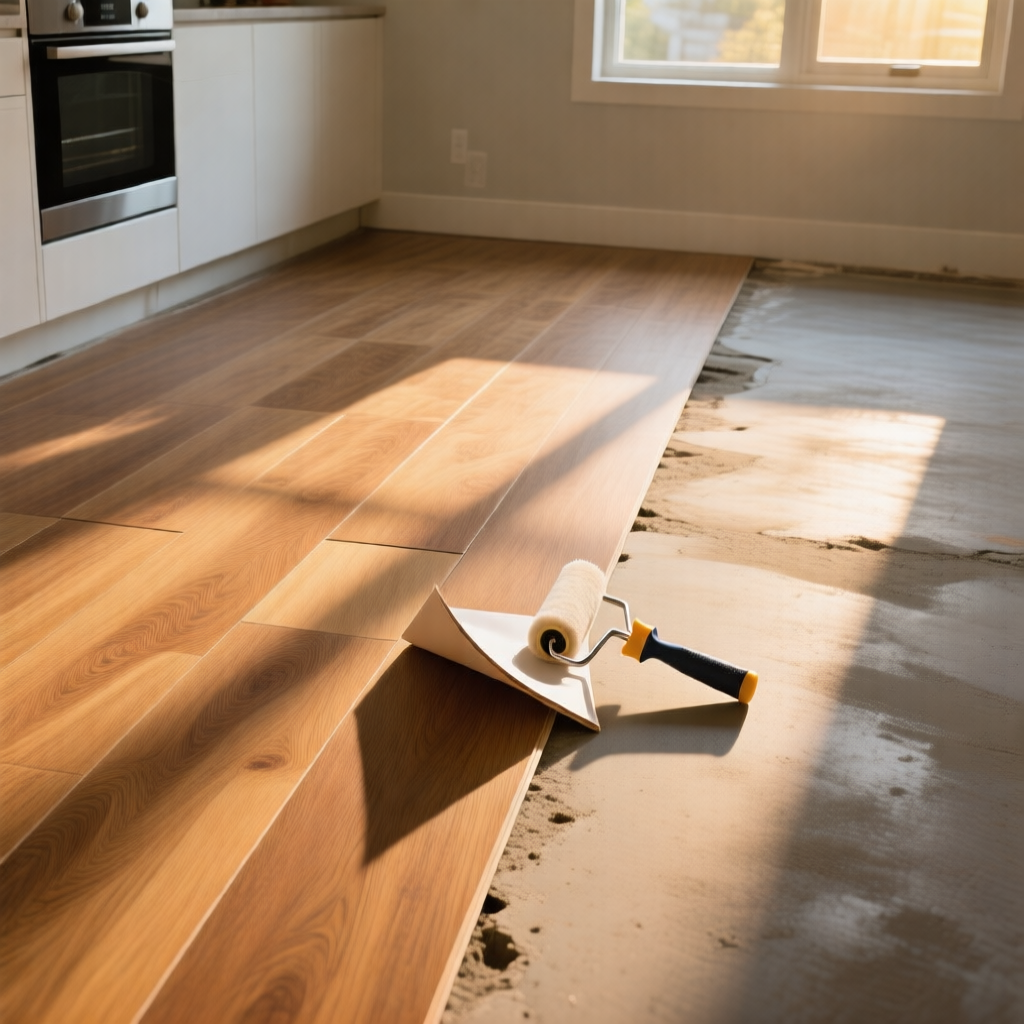
Understanding Peel and Stick Vinyl Flooring: Benefits and Limitations
Peel and stick vinyl flooring, also known as self-adhesive vinyl plank (SVP) flooring, has become increasingly popular among DIY enthusiasts and design-conscious homeowners. The appeal is clear: it's easy to install, visually stunning, and remarkably affordable compared to hardwood, tile, or laminate alternatives.
Key benefits include:
- DIY-friendly installation requiring minimal tools
- Water-resistant surface perfect for kitchens and bathrooms
- Wide variety of colors, patterns, and wood-grain designs
- Renter-friendly option that can be removed without damage
- Durable wear layer protecting against scratches and stains
- Budget-friendly compared to traditional flooring materials
Important limitations to consider:
- Not suitable for high-moisture areas like shower enclosures
- Can shift or bubble if subfloor isn't properly prepared
- May not hold up as long as premium hardwood or tile
- Limited repair options if planks are damaged
- Requires meticulous subfloor preparation for best results
Types of Peel and Stick Vinyl Flooring
Understanding the different types of peel and stick vinyl flooring helps you make an informed decision based on your specific needs and lifestyle.
Luxury Vinyl Plank (LVP): These planks mimic the appearance of real hardwood with authentic grain patterns and color variations. They're available in various widths and lengths, offering flexibility in design layouts.
Luxury Vinyl Tile (LVT): Perfect for those seeking a tile aesthetic, LVT options replicate stone, ceramic, and porcelain designs. These square or rectangular tiles work beautifully in bathrooms and kitchens.
Vinyl Sheet Flooring: Rolled vinyl offers seamless coverage, ideal for smaller spaces. It's the most water-resistant option and works well in wet areas, though installation can be trickier.
Hybrid Vinyl Flooring: Combining vinyl with rigid core materials, hybrid options provide superior stability and durability for high-traffic areas.
Latest Design Trends in Vinyl Flooring
The vinyl flooring industry continues to evolve with exciting design innovations. Wide-plank formats (up to 9 inches) are dominating contemporary spaces, creating a more luxurious, open feel. Waterproof core technology has become standard, allowing vinyl to be used in previously restricted areas.
Color trends lean toward warm, earthy tones—think honey oak, weathered gray, and rich espresso finishes. Hand-scraped and distressed textures add authentic character, while mixed-width planks create visual interest and depth. Geometric patterns and bold colors are emerging for accent walls and statement spaces.
Essential Features to Look For
When evaluating peel and stick vinyl flooring options, pay attention to these critical features:
Wear Layer Thickness: Measured in mils (thousandths of an inch), thicker wear layers (20+ mils) resist scratches and stains better. This is your flooring's protective shield against daily wear and tear.
Waterproof Core: Modern vinyl includes waterproof backing that prevents moisture penetration. This feature is essential if you're installing near kitchens, bathrooms, or areas prone to spills.
Slip Resistance: Look for textured surfaces with appropriate slip ratings, especially important for bathrooms and kitchens where safety matters.
Dimensional Stability: Quality vinyl resists expansion and contraction from temperature and humidity changes, preventing gaps and buckling.
Underlayment Compatibility: Some vinyl products work best with specific underlayments. Thicker underlayment (2-3mm) provides cushioning and sound dampening benefits.
Comparing Vinyl Flooring Options
| Flooring Type | Installation Time | Water Resistance | Durability | Cost Range |
|---|---|---|---|---|
| Peel & Stick Vinyl | 1-2 days | Excellent | 7-10 years | $1-3/sq ft |
| Hardwood | 3-7 days | Poor | 25+ years | $8-15/sq ft |
| Laminate | 2-4 days | Moderate | 10-15 years | $2-5/sq ft |
| Ceramic Tile | 4-10 days | Excellent | 20+ years | $5-12/sq ft |
Master Installation Techniques
Successful peel and stick vinyl flooring installation starts with proper subfloor preparation. Clean the existing floor thoroughly, removing dust, debris, and any adhesive residue. Fill gaps and holes with self-leveling compound, ensuring a smooth, flat surface. Uneven subfloors are the primary cause of installation problems.
Allow vinyl planks to acclimate to room temperature for 24-48 hours before installation. This prevents expansion issues after application. Measure your space carefully and plan your layout, starting from the center of the room and working outward for balanced aesthetics.
When applying planks, peel back a portion of the backing, position the plank, then gradually peel and press as you move forward. Use a roller or tamper to ensure firm adhesion. Work in straight lines and maintain consistent spacing between planks.
Maintenance and Longevity Tips
Protect your investment with these essential maintenance practices:
- Sweep or vacuum regularly to remove dirt and debris
- Use a damp (not wet) mop for cleaning; excess moisture damages vinyl
- Place felt pads under furniture to prevent scratches
- Use area rugs in high-traffic zones for added protection
- Avoid harsh chemicals; use pH-neutral vinyl cleaners
- Keep humidity levels between 30-50% to prevent warping
Selection Checklist for Your Project
Before purchasing, verify these points:
- ☐ Subfloor is clean, dry, and level (within 3/16" per 10 feet)
- ☐ Room temperature is between 65-85°F during installation
- ☐ You've measured square footage and added 10% for waste
- ☐ Wear layer thickness meets your durability needs (20+ mils recommended)
- ☐ Waterproof core is included for moisture-prone areas
- ☐ Design complements your existing décor and lifestyle
- ☐ Warranty covers wear, staining, and moisture damage
- ☐ You have necessary tools: utility knife, straightedge, roller, spacers
Frequently Asked Questions
Can peel and stick vinyl be installed over existing flooring? Yes, in most cases. Existing flooring must be clean, dry, and level. Avoid installing over cushioned vinyl or carpet. Tile and hardwood work well as base surfaces if properly prepared.
How long does peel and stick vinyl flooring last? Quality vinyl typically lasts 7-10 years with proper maintenance. Premium options with thicker wear layers can exceed 15 years. Lifespan depends on foot traffic, maintenance, and installation quality.
Is peel and stick vinyl waterproof? Modern peel and stick vinyl is water-resistant, not waterproof. It resists spills and moisture but shouldn't be used in standing water areas. Waterproof core technology prevents moisture penetration into the subfloor.
Can I remove peel and stick vinyl without damaging my subfloor? Yes, when installed correctly on proper surfaces. Gentle heating with a heat gun helps loosen adhesive. Avoid aggressive scraping that damages the subfloor. This makes it ideal for renters.
What's the difference between peel and stick vinyl and click-together vinyl? Peel and stick uses permanent adhesive; click-together uses mechanical locking systems. Peel and stick is more budget-friendly and easier for beginners, while click-together offers easier removal and replacement of individual planks.
Do I need underlayment under peel and stick vinyl? While not always required, underlayment provides cushioning, sound dampening, and additional moisture protection. It's especially recommended for concrete subfloors or areas with temperature fluctuations.
Conclusion: Transform Your Space Today
Peel and stick vinyl flooring represents a democratization of beautiful, durable flooring for everyone. Whether you're a first-time DIY installer or an experienced homeowner, this versatile solution delivers impressive results without the complexity, cost, or timeline of traditional flooring projects.
By understanding the different types, evaluating key features, and following proper installation techniques, you'll create a stunning floor that enhances your home's beauty and functionality. The combination of affordability, durability, and design flexibility makes peel and stick vinyl flooring an intelligent choice for modern homes.
Ready to transform your space? Start with careful planning, proper subfloor preparation, and quality materials. Your beautiful new floor is just a few peels and sticks away.