Discover how to find incredible furniture deals at police impound auctions. Learn insider tips, what to expect, and how to score quality pieces for less.
Police impound auctions represent one of the best-kept secrets in the furniture world. Every day, law enforcement agencies hold auctions featuring seized, unclaimed, and surplus items—including high-quality furniture that's often available at a fraction of retail prices. Whether you're a budget-conscious homeowner, a business owner furnishing an office, or a reseller looking for inventory, impound auctions offer legitimate opportunities to save money while finding genuinely useful pieces.
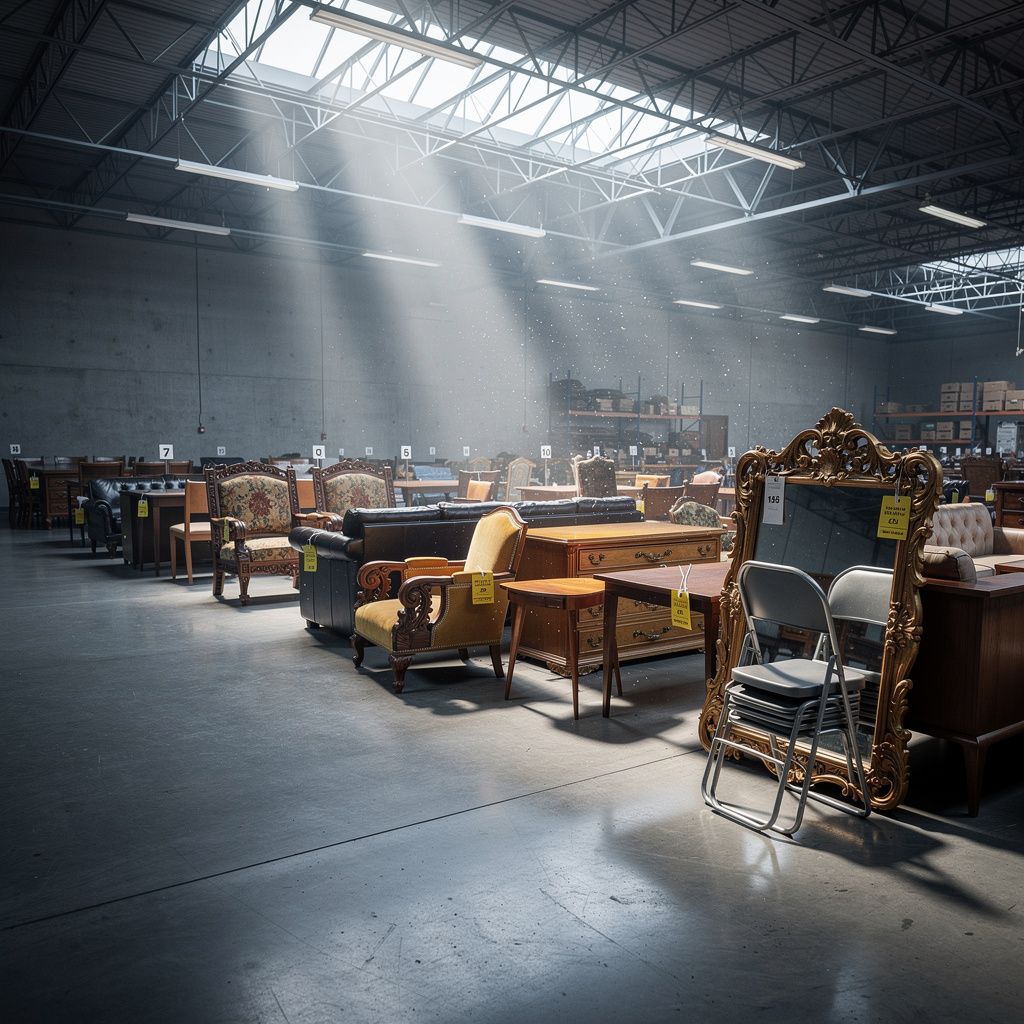
But navigating the world of impound furniture requires knowledge, strategy, and careful inspection. This complete guide reveals everything you need to know about buying police impound furniture successfully.
Understanding Police Impound Auctions
Police impound auctions aren't mysterious or exclusive—they're public sales conducted by law enforcement agencies to clear inventory and generate revenue. Furniture ends up in impound through various channels: abandoned property, unclaimed items from crime scenes, seized assets, or surplus from police department facilities.
The auction process is transparent and open to the public. Most jurisdictions advertise upcoming auctions through official websites, local newspapers, and auction listing platforms. You can typically preview items before bidding, inspect condition, and ask questions directly.
Benefits and Limitations of Impound Furniture
The Advantages
- Significant savings: Prices typically run 40-70% below retail value
- Quality selection: Many items are relatively new or well-maintained
- Unique finds: Vintage, antique, and specialty pieces frequently appear
- Bulk purchasing: Ideal for furnishing entire homes or offices
- Transparency: Public process with clear terms and conditions
- No middleman markup: Direct from source pricing
Important Limitations
- As-is purchases: Most items sold without warranties or return options
- Limited inspection time: Preview periods can be brief
- Unpredictable inventory: Selection varies dramatically between auctions
- Condition variability: Items range from excellent to heavily used
- Competitive bidding: Popular items attract multiple buyers
- Payment requirements: Often cash or immediate payment methods only
Types of Furniture Found at Police Impound Auctions
The furniture available at impound auctions is remarkably diverse. Understanding what typically appears helps you plan your bidding strategy and set realistic expectations.
| Furniture Category | Common Items | Typical Condition | Price Range |
|---|---|---|---|
| Office Furniture | Desks, chairs, filing cabinets, conference tables | Good to Excellent | $50-$300 |
| Bedroom Sets | Beds, dressers, nightstands, mattresses | Fair to Good | $100-$400 |
| Living Room | Sofas, chairs, tables, entertainment centers | Fair to Excellent | $75-$500 |
| Kitchen & Dining | Dining sets, bar stools, kitchen islands | Good to Excellent | $60-$350 |
| Specialty Items | Antiques, vintage pieces, designer furniture | Variable | $40-$1000+ |
Current Trends in Impound Furniture Auctions
The landscape of police impound auctions has evolved significantly. Digital platforms now make finding and bidding on items easier than ever. Online preview capabilities, remote bidding options, and detailed photo documentation have democratized access to these auctions.
Sustainability consciousness is driving increased interest in impound furniture. Environmentally-minded shoppers recognize that purchasing used furniture reduces waste and extends product lifecycles. This trend has elevated the status of impound shopping from budget necessity to conscious consumer choice.
Another emerging trend is the reseller market. Professional furniture flippers and small business owners actively participate in impound auctions, recognizing the profit potential. This competition means popular items move quickly, but plenty of opportunities remain for individual buyers.
Key Features to Evaluate Before Bidding
Successful impound furniture buyers develop a systematic inspection process. Before placing any bid, evaluate these critical features:
Structural Integrity
- Check all joints and connections for stability
- Look for warping, splitting, or cracking in wood
- Test drawers, doors, and moving parts
- Examine legs and support structures for damage
- Press firmly on surfaces to check for weakness
Upholstery and Fabric
- Inspect for stains, tears, or significant wear
- Check seams for separation or fraying
- Feel for lumps, sagging, or compression in cushions
- Assess fabric color fading or discoloration
- Determine if professional cleaning would restore appearance
Hardware and Mechanisms
- Test all locks, hinges, and latches
- Check drawers slide smoothly without sticking
- Verify all knobs, handles, and pulls are present
- Inspect for rust, corrosion, or missing hardware
- Test any mechanical features (reclining, adjusting, etc.)
Dimensions and Functionality
- Measure items to ensure they fit your space
- Verify all components are included
- Check that functionality matches your needs
- Assess whether professional restoration is feasible
Top Agencies and Platforms for Finding Impound Furniture
Different regions conduct impound auctions through various channels. Research your local law enforcement agencies' auction schedules. Many police departments, sheriff's offices, and municipal agencies maintain dedicated auction websites or partner with professional auction houses.
National auction platforms frequently feature police impound items alongside other surplus goods. These platforms provide searchable databases, detailed photos, and bidding systems that make participation convenient.
Local government websites often list upcoming auctions in their public notices section. Subscribing to notifications ensures you never miss opportunities in your area.
Step-by-Step Selection Strategy
Pre-Auction Preparation
- Identify your furniture needs and budget limits
- Research upcoming auctions in your area
- Study available inventory lists and photos
- Create a priority list of desired items
- Set maximum bid amounts for each item
- Arrange transportation for purchased items
During the Auction
- Arrive early to inspect items thoroughly
- Ask questions of auction staff about condition
- Take photos and notes for reference
- Register as a bidder if required
- Bid strategically, sticking to your limits
- Confirm your purchases immediately
Post-Purchase Actions
- Complete all required paperwork
- Arrange payment according to auction terms
- Coordinate pickup or delivery
- Inspect items again upon receipt
- Plan any necessary cleaning or restoration
Insider Tips for Successful Impound Furniture Buying
Bid strategically on unpopular items. While everyone competes for the obvious deals, smart buyers find value in less flashy pieces that need minor repairs or cosmetic work.
Develop relationships with auction staff. Regular attendees often receive advance notice of special items or upcoming auctions with exceptional inventory.
Understand restoration economics. A piece requiring professional cleaning or minor upholstery work might still offer tremendous value if the base furniture is solid.
Buy in bulk when possible. Many auctioneers offer discounts for purchasing multiple items, and bulk purchases can significantly reduce per-item costs.
Attend less popular auction times. Weekday auctions typically attract fewer bidders, reducing competition and potentially lowering final prices.
Know your local market. Understanding retail prices for comparable items helps you recognize genuine deals and avoid overpaying.
Frequently Asked Questions
What payment methods do police impound auctions accept?
Most auctions require cash or certified checks, though some now accept credit cards or electronic transfers. Always confirm payment methods when registering. Having multiple payment options available ensures you can complete purchases without complications.
Can I return furniture if I'm unhappy with it after purchase?
Virtually all police impound auctions sell items "as-is" with no returns, refunds, or warranties. This is the standard across the industry. Thorough inspection before bidding is essential since you cannot reverse your purchase decision.
How do I arrange transportation for large furniture items?
This varies by auction. Some facilities offer loading assistance but require you to provide transportation. Others partner with delivery services. Confirm transportation options before bidding on large items, and factor delivery costs into your budget calculations.
Are police impound auctions legitimate ways to buy furniture?
Absolutely. These are official government-conducted sales that are completely legal and transparent. All items are legitimately owned by the government agency conducting the auction, whether through seizure, abandonment, or surplus status.
How often are police impound auctions held?
Frequency varies by jurisdiction. Some agencies hold monthly auctions, while others conduct them quarterly or as needed when inventory accumulates. Check your local law enforcement agency's website for their specific schedule.
What should I bring to a police impound auction?
Bring your ID for registration, a checkbook or payment method, a measuring tape, flashlight, and notebook for taking notes. Comfortable clothing and shoes are essential since you'll be inspecting items thoroughly, potentially in warehouse conditions.
Conclusion
Buying police impound furniture is a legitimate, rewarding way to furnish your home or business while saving significant money. The process requires patience, strategic thinking, and careful inspection, but the potential savings and unique finds make the effort worthwhile. By understanding how impound auctions work, evaluating items systematically, and bidding strategically, you can transform your furniture needs into an exciting treasure hunt. Start by researching auctions in your area, attending a preview event, and experiencing firsthand the incredible opportunities available. Your next favorite furniture piece might be waiting at your local police impound auction.