Discover the complete 2026 guide to plunge pools. Learn modern designs, realistic costs, health benefits, and expert tips to transform your backyard into a luxury wellness space.
The backyard luxury experience is evolving. Gone are the days when you needed sprawling acreage to enjoy the therapeutic benefits of water. Plunge pools—compact, efficient, and undeniably stylish—are transforming how homeowners think about wellness, cooling, and outdoor living. Whether you're drawn to the health benefits, the architectural appeal, or the promise of a personal oasis, understanding plunge pools in 2026 means knowing what's possible, what it costs, and how to choose the right fit for your space and lifestyle.
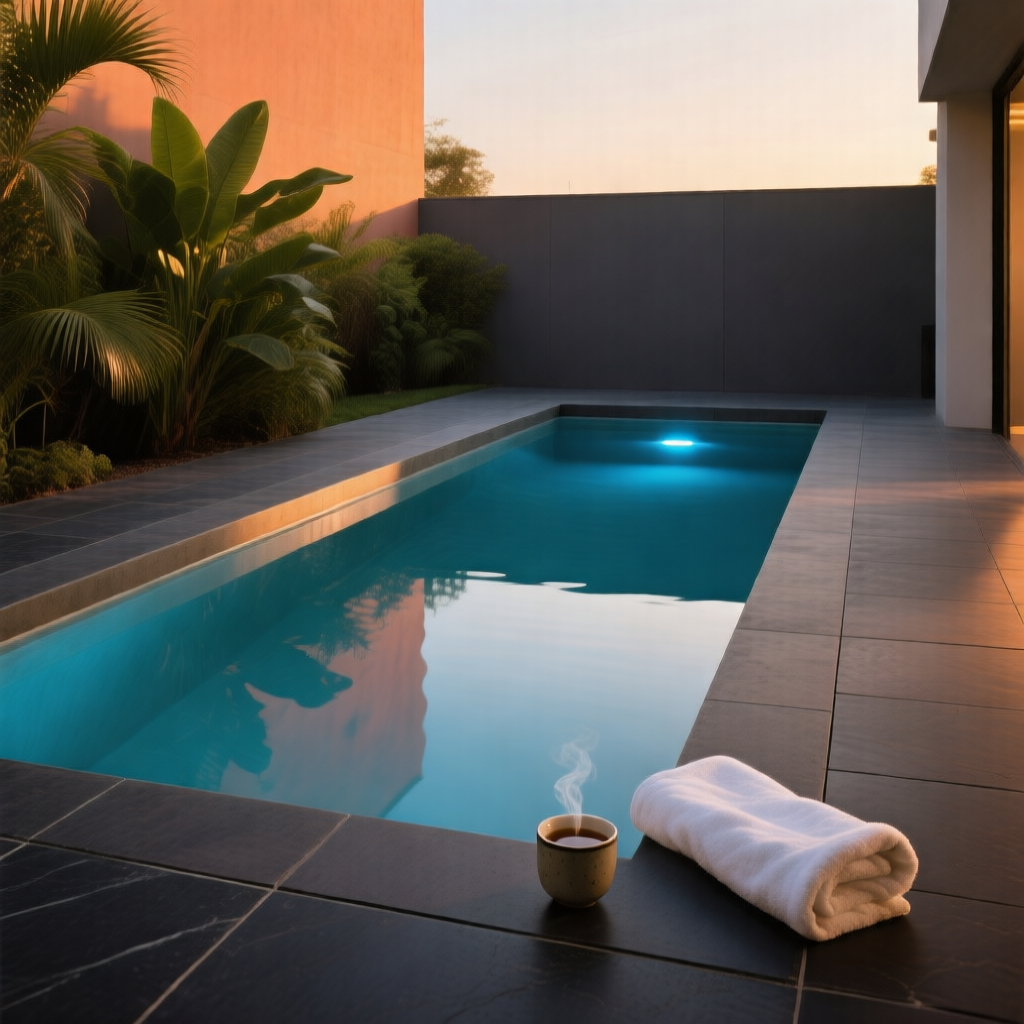
What Are Plunge Pools and Why They Matter
A plunge pool is a small, deep pool—typically 4 to 8 feet deep and 6 to 15 feet in length—designed for immersion rather than swimming laps. Unlike traditional pools, plunge pools prioritize depth, therapeutic water temperature control, and aesthetic impact in compact footprints. They're perfect for urban homes, small backyards, and properties where space is premium real estate.
In 2026, plunge pools represent more than just a luxury amenity. They've become a wellness investment. Homeowners are increasingly viewing them as personal hydrotherapy centers, meditation spaces, and architectural focal points that elevate property value and lifestyle quality.
The Health and Wellness Benefits
The therapeutic appeal of plunge pools extends far beyond aesthetic pleasure. Here's what the wellness-focused homeowner should know:
- Cold Water Immersion: Regular exposure to cold water boosts circulation, reduces inflammation, and may enhance immune function.
- Hydrotherapy: Warm plunge pools provide muscle relaxation, joint relief, and stress reduction—ideal for recovery and meditation.
- Mental Health: Water immersion activates the parasympathetic nervous system, reducing cortisol and promoting calm.
- Improved Sleep: Evening water therapy can enhance sleep quality and duration.
- Cardiovascular Benefits: Regular immersion training may improve heart health and circulation.
Modern Plunge Pool Designs and Styles
2026 plunge pool design trends emphasize personalization, sustainability, and seamless indoor-outdoor integration. Here are the dominant styles:
Contemporary Minimalist
Clean lines, neutral palettes, and geometric shapes define this aesthetic. Infinity edges, hidden filtration systems, and deck-level designs create a floating effect that photographs beautifully and maximizes visual space.
Natural and Organic
Stone accents, living plant walls, and natural water features blur the boundary between pool and landscape. These designs prioritize ecosystem integration and biophilic connection.
Luxury Resort Style
Teak decking, ambient lighting, water features, and integrated spa jets create a five-star experience at home. This style emphasizes immersion in every sense.
Sustainable and Eco-Conscious
Solar heating, saltwater systems, natural filtration, and reclaimed materials appeal to environmentally aware homeowners. These pools operate with minimal carbon footprint.
Plunge Pool Costs: What to Budget for 2026
| Pool Type | Size Range | Base Cost | Installation Timeline |
|---|---|---|---|
| Prefabricated Fiberglass | 4x8 to 6x12 ft | $15,000–$35,000 | 2–4 weeks |
| Concrete (Custom) | 6x10 to 8x15 ft | $25,000–$60,000 | 6–12 weeks |
| Vinyl Liner | 4x8 to 6x12 ft | $18,000–$40,000 | 3–6 weeks |
| Luxury Integrated System | Custom | $50,000–$150,000+ | 8–16 weeks |
Beyond the pool itself, budget for:
- Site preparation and excavation: $2,000–$8,000
- Decking and landscaping: $5,000–$20,000
- Heating systems: $3,000–$12,000
- Filtration and circulation: $2,000–$8,000
- Lighting and automation: $2,000–$10,000
- Permits and inspections: $500–$2,000
2026 Trending Features and Technologies
Smart Pool Management
App-controlled temperature, filtration, and lighting allow homeowners to prepare their pool before arrival. Real-time water quality monitoring ensures optimal conditions automatically.
Integrated Wellness Systems
Chromotherapy lighting, sound systems, and aromatherapy diffusers transform plunge pools into multisensory wellness sanctuaries. Some systems sync with meditation apps and biometric tracking.
Sustainable Heating
Solar thermal systems, heat pump technology, and geothermal solutions reduce operational costs and environmental impact. Many 2026 installations pair renewable heating with smart thermostats.
Modular and Movable Designs
Portable plunge pools and modular systems appeal to renters and those hesitant about permanent installation. These options offer flexibility without sacrificing quality.
Water Recycling and Conservation
Advanced filtration systems reduce water waste. Some pools integrate greywater systems, making them more sustainable than traditional pools.
Popular Plunge Pool Brands and Manufacturers
Leading manufacturers in 2026 include companies specializing in fiberglass shells, custom concrete construction, and integrated wellness systems. Top-tier brands emphasize durability, design flexibility, and customer support. When evaluating options, prioritize manufacturers offering extended warranties, responsive service, and proven track records in your region.
How to Choose the Right Plunge Pool for Your Home
Selection Checklist
- ☐ Measure available space and assess ground conditions
- ☐ Determine primary use: wellness, cooling, aesthetics, or combination
- ☐ Set realistic budget including installation and maintenance
- ☐ Research local building codes and permit requirements
- ☐ Evaluate heating and filtration needs for your climate
- ☐ Consider year-round usage vs. seasonal operation
- ☐ Review maintenance requirements and costs
- ☐ Assess aesthetic preferences and landscape integration
- ☐ Compare material options: fiberglass, concrete, vinyl
- ☐ Verify contractor licensing and insurance
Installation and Maintenance Tips
Pre-Installation Considerations
Proper site selection is critical. Ensure adequate drainage, stable soil conditions, and proximity to utilities. Professional soil testing prevents costly complications. Verify all permits are secured before excavation begins.
Ongoing Maintenance
Plunge pools require less maintenance than traditional pools due to smaller volume. Weekly tasks include testing water chemistry and cleaning filters. Monthly maintenance involves deeper cleaning and equipment inspection. Seasonal winterization or summer preparations depend on your climate and usage patterns.
Water Chemistry Essentials
Maintain pH between 7.2–7.6, chlorine at 1–3 ppm, and alkalinity at 80–120 ppm. Regular testing prevents algae growth and ensures safe, clear water. Modern test kits and apps simplify monitoring.
Frequently Asked Questions About Plunge Pools
How deep should a plunge pool be?
Most plunge pools are 4 to 8 feet deep, with 5 to 6 feet being ideal for full-body immersion and safe diving. Depth depends on intended use—therapeutic soaking requires less depth than diving.
Can I install a plunge pool in a small urban backyard?
Absolutely. Plunge pools are designed for compact spaces. Even 200 square feet of yard space can accommodate a functional plunge pool, making them ideal for urban homes and condos.
What's the difference between a plunge pool and a hot tub?
Hot tubs are smaller, portable, and heated to 100–104°F for relaxation. Plunge pools are larger, permanent installations designed for immersion at various temperatures. Some homeowners combine both for comprehensive wellness.
How much does it cost to heat a plunge pool year-round?
Heating costs vary by system and climate. Solar heating costs $3,000–$5,000 upfront with minimal operational costs. Heat pumps cost $5,000–$10,000 with $50–$200 monthly operational expenses. Gas heaters are cheaper upfront but more expensive to operate.
What permits do I need to build a plunge pool?
Most jurisdictions require building permits, safety inspections, and compliance with residential pool codes. Some areas have specific requirements for depth, fencing, and drain safety. Consult local authorities before design finalization.
How long does a plunge pool last?
Fiberglass pools typically last 25–30 years. Concrete pools last 10–15 years before resurfacing. Vinyl liner pools last 7–10 years for the liner, with proper shell maintenance extending lifespan to 20+ years. Longevity depends on maintenance quality and climate conditions.
Conclusion: Your 2026 Plunge Pool Journey
Plunge pools represent a meaningful investment in lifestyle, wellness, and property value. Whether you're drawn to cold water immersion, therapeutic warmth, or the simple joy of a personal water sanctuary, 2026 offers unprecedented design flexibility, sustainable technology, and proven health benefits. The key to success lies in thoughtful planning, realistic budgeting, and partnering with experienced professionals who understand your vision. Start by assessing your space, clarifying your wellness goals, and exploring designs that resonate with your aesthetic. Your perfect plunge pool awaits—one that transforms daily routines into moments of genuine restoration and joy.