Discover why bathroom rugs are out and modern floor trends are in. Learn the best alternatives, styles, and practical tips for upgrading your bathroom today.
The bathroom rug has been a staple of home décor for generations, but modern design trends are rapidly shifting toward more practical, hygienic, and stylish flooring solutions. If you've noticed fewer rugs in contemporary bathroom designs, you're witnessing a genuine transformation in how we think about bathroom spaces. This shift isn't just about aesthetics—it's about functionality, cleanliness, and the evolution of what homeowners actually want in their bathrooms.
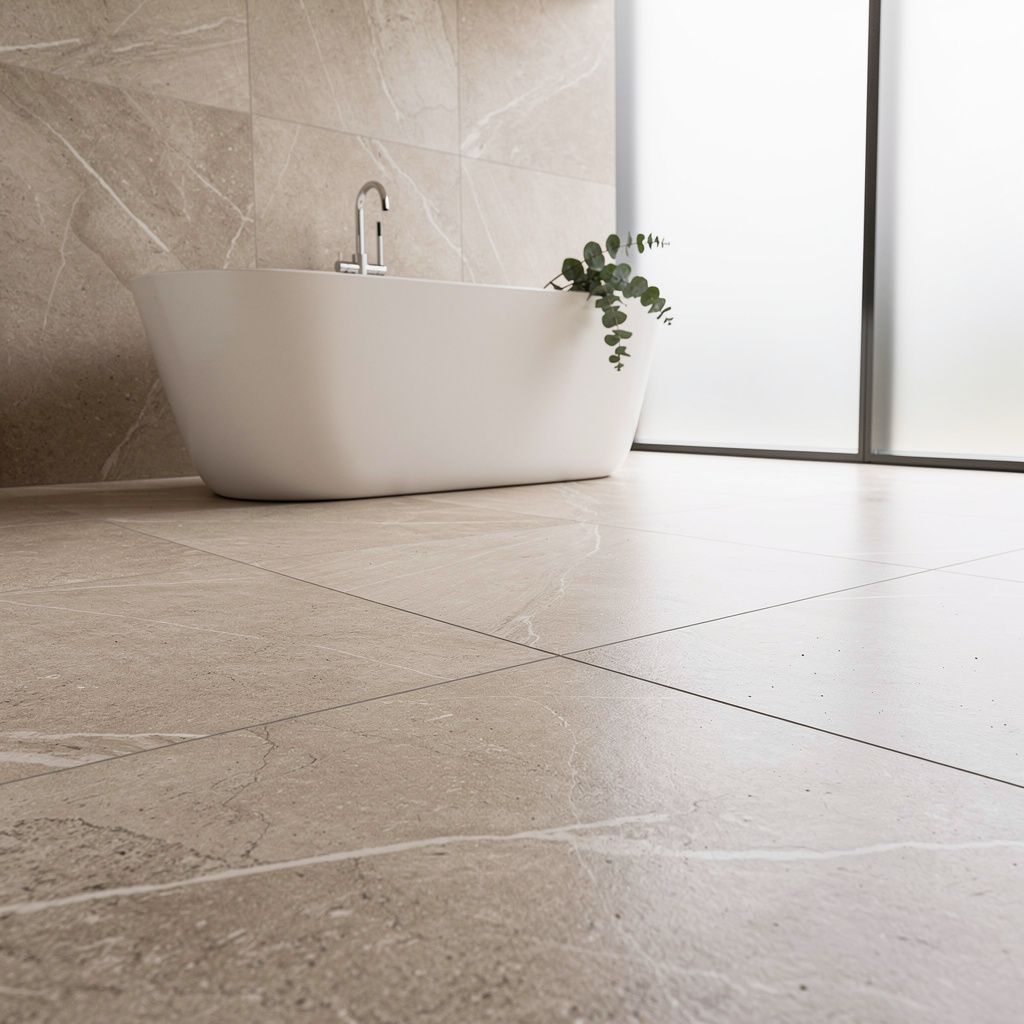
Bathroom rugs, while cozy and traditional, come with hidden challenges: they absorb moisture, harbor bacteria and mold, require constant washing, and can become slipping hazards when wet. As bathroom design has evolved, so have our expectations for what flooring should deliver. Today's homeowners want floors that are easy to clean, durable, moisture-resistant, and capable of making a design statement without the maintenance headaches.
The Problem with Traditional Bathroom Rugs
For decades, bathroom rugs seemed like the obvious choice. They added warmth, softness, and a touch of luxury to a cold tile floor. But this convenience came with significant drawbacks that modern alternatives are designed to solve.
Moisture absorption is the primary culprit. Bathroom rugs sit in one of the wettest environments in your home, constantly exposed to water from showers, baths, and sink splashes. This moisture creates the perfect breeding ground for mold, mildew, and bacteria—even with regular washing. The dark, damp fibers of a rug provide ideal conditions for microbial growth, which can compromise indoor air quality and pose health risks, especially for families with allergies or respiratory sensitivities.
Beyond hygiene concerns, bathroom rugs are maintenance-intensive. They require frequent washing, can fade or deteriorate quickly, and take up valuable bathroom real estate. They're also a tripping hazard, particularly for children and elderly family members, and their edges can curl or bunch, creating additional safety concerns.
Why Modern Bathrooms Are Ditching Rugs
The shift away from bathroom rugs reflects broader changes in home design philosophy. Modern bathrooms prioritize:
- Hygiene and health: Seamless, non-porous surfaces that resist moisture and microbial growth
- Durability: Flooring that withstands constant moisture exposure without degradation
- Ease of maintenance: Floors that can be quickly cleaned and dried
- Safety: Non-slip surfaces that don't create tripping hazards
- Design flexibility: Flooring options that support contemporary aesthetic preferences
- Sustainability: Materials that last longer and reduce replacement frequency
Modern Bathroom Floor Alternatives: A Comprehensive Comparison
| Flooring Type | Moisture Resistance | Durability | Maintenance | Aesthetic Appeal | Cost Range |
|---|---|---|---|---|---|
| Luxury Vinyl Plank (LVP) | Excellent | High | Easy | Very Good | $2-5/sq ft |
| Porcelain Tile | Excellent | Very High | Moderate | Excellent | $3-15/sq ft |
| Natural Stone | Good | High | High | Excellent | $5-20/sq ft |
| Heated Tile | Excellent | Very High | Moderate | Excellent | $4-12/sq ft |
| Polished Concrete | Good | Very High | Easy | Modern | $3-8/sq ft |
| Ceramic Tile | Very Good | High | Moderate | Good | $1-8/sq ft |
Trending Modern Bathroom Floor Styles
Heated Tile Flooring
One of the most luxurious alternatives to bathroom rugs is heated tile flooring. Radiant heat systems installed beneath tile create warmth underfoot without the moisture absorption problems of traditional rugs. This technology has become increasingly affordable and is now a popular choice in modern bathroom renovations. The comfort factor rivals that of a plush rug, but with superior durability and hygiene.
Large-Format Porcelain Tiles
Modern bathrooms are embracing large-format porcelain tiles that create seamless, sophisticated looks. These tiles are incredibly durable, resist moisture completely, and require minimal maintenance. Available in countless colors, textures, and finishes—from matte to glossy to textured—they offer design flexibility that traditional rugs simply cannot match.
Luxury Vinyl Plank with Realistic Finishes
Waterproof luxury vinyl plank (LVP) has revolutionized bathroom flooring. Modern LVP can convincingly replicate the look of wood, stone, or tile while offering superior moisture resistance and easy maintenance. It's comfortable underfoot, affordable, and increasingly popular in contemporary bathroom designs.
Polished Concrete
Industrial-chic bathrooms are embracing polished concrete floors. When properly sealed, concrete is moisture-resistant, incredibly durable, and offers a distinctive modern aesthetic that appeals to minimalist and contemporary design preferences.
Natural Stone with Modern Treatments
Slate, marble, and granite remain popular choices, particularly when treated with modern sealants that enhance moisture resistance. These materials add luxury and timelessness to bathroom spaces.
Key Features of Modern Bathroom Flooring
Non-Slip Surfaces
Safety is paramount in bathroom design. Modern flooring options include textured finishes, matte surfaces, and specialized coatings that provide excellent traction even when wet—something traditional rugs cannot guarantee consistently.
Seamless Installation
Contemporary bathroom floors are installed with minimal grout lines or completely seamless joints, reducing areas where moisture and bacteria can accumulate. This represents a significant hygiene improvement over traditional designs.
Thermal Comfort
While rugs provided warmth, modern solutions like heated tile systems offer superior comfort with none of the downsides. Some materials like LVP also provide natural insulation.
Design Versatility
Modern flooring materials come in virtually unlimited colors, patterns, and finishes. Homeowners can achieve any aesthetic—from spa-like minimalism to bold contemporary statements—without relying on rugs as design elements.
Popular Brands Leading the Modern Bathroom Floor Movement
Several manufacturers are pioneering innovative bathroom flooring solutions:
- Porcelain tile specialists offering large-format options with advanced water resistance
- Luxury vinyl manufacturers creating realistic, durable waterproof planks
- Radiant heating system providers making heated floors more accessible
- Natural stone suppliers offering modern finishes and sealant technologies
- Polished concrete specialists developing decorative and functional concrete solutions
How to Select the Right Modern Bathroom Floor
Assessment Checklist
- ☐ Evaluate your bathroom's moisture levels and ventilation
- ☐ Consider your design aesthetic and existing décor
- ☐ Assess your maintenance preferences and time availability
- ☐ Determine your budget range and long-term investment goals
- ☐ Evaluate safety requirements for your household
- ☐ Consider environmental and sustainability factors
- ☐ Review durability ratings and warranty options
- ☐ Test samples in your actual bathroom lighting
Selection Steps
Step 1: Assess Your Bathroom Environment - Consider humidity levels, ventilation, and how much water exposure your floor will experience. High-moisture bathrooms require maximum water resistance.
Step 2: Define Your Style - Determine whether you prefer contemporary minimalism, spa-like luxury, industrial chic, or traditional elegance. Your floor choice should align with your overall design vision.
Step 3: Evaluate Maintenance Tolerance - Be honest about how much upkeep you're willing to do. Some materials require regular sealing or special care; others are virtually maintenance-free.
Step 4: Consider Comfort and Safety - Think about who uses your bathroom. Families with young children or elderly members should prioritize non-slip surfaces and thermal comfort.
Step 5: Budget Realistically - Factor in both material and installation costs. Remember that more durable options often represent better long-term value despite higher upfront costs.
Expert Tips for Modern Bathroom Floor Success
- Invest in proper ventilation: Even with moisture-resistant flooring, good bathroom ventilation prevents humidity buildup and extends floor lifespan.
- Use quality sealants: If choosing natural stone or other porous materials, invest in premium sealants and reapply as recommended.
- Install radiant heating: If budget allows, radiant heating systems eliminate the need for rugs while adding luxury and comfort.
- Choose matte finishes for safety: While glossy finishes look sleek, matte or textured surfaces provide better slip resistance in wet conditions.
- Plan for grout maintenance: If choosing tile, select grout colors that hide stains and consider epoxy grout for superior durability.
- Test in actual lighting: Always view flooring samples in your bathroom's actual lighting conditions before making final decisions.
- Consider underfloor preparation: Proper substrate preparation ensures longevity and prevents moisture-related issues.
Frequently Asked Questions
Are modern bathroom floors really more hygienic than rugs?
Yes. Non-porous, sealed surfaces resist moisture absorption and inhibit mold and bacterial growth far more effectively than absorbent rug fibers. Regular cleaning of modern floors eliminates moisture and contaminants completely, whereas rugs retain moisture internally.
Will my bathroom feel cold without a rug?
Not necessarily. Heated tile systems provide warmth comparable to or exceeding that of rugs, and materials like luxury vinyl plank offer natural insulation. Modern bathrooms can be equally comfortable without traditional rugs.
What's the most budget-friendly modern bathroom flooring option?
Luxury vinyl plank and ceramic tile offer excellent value, typically costing $1-5 per square foot. Both are durable, moisture-resistant, and require minimal maintenance, making them cost-effective long-term investments.
Can I install modern bathroom flooring myself?
Some options like LVP can be DIY-friendly, but tile, heated systems, and natural stone typically require professional installation to ensure proper waterproofing and durability. Professional installation is recommended for best results.
How do I maintain modern bathroom floors to ensure longevity?
Most modern bathroom floors require simple maintenance: regular sweeping to remove debris, prompt drying of spills, and periodic cleaning with appropriate products. Sealed surfaces may need resealing every 1-3 years depending on material and usage.
Are eco-friendly bathroom flooring options available?
Yes. Sustainable options include recycled content tiles, FSC-certified wood alternatives, natural stone from responsible sources, and eco-friendly LVP products. Many manufacturers now prioritize environmental sustainability in their products.
Conclusion: Embracing the Modern Bathroom Floor Revolution
The decline of the bathroom rug represents more than just a design trend—it reflects our evolving understanding of what bathrooms should deliver: hygiene, durability, safety, and style. Modern flooring alternatives offer all the comfort and aesthetic appeal of traditional rugs while eliminating the moisture absorption, maintenance burden, and health concerns that have long plagued bathroom design.
Whether you choose heated tile for luxury, porcelain tile for timeless elegance, luxury vinyl plank for affordability and durability, or polished concrete for contemporary edge, today's options empower you to create a bathroom that's both beautiful and functional. The future of bathroom design is here—and it's rug-free.
By understanding these modern alternatives and following the selection guidelines outlined in this guide, you can confidently make a flooring choice that transforms your bathroom into a space that's easier to maintain, safer to use, and more aligned with contemporary design standards. Say goodbye to damp rugs and hello to the future of bathroom flooring.