Discover how the right food storage containers keep your meals fresh longer, reduce waste, and save money. Learn expert tips for choosing containers that work.
Food storage is one of the most overlooked aspects of kitchen management, yet it directly impacts food quality, safety, and your household budget. Whether you're meal prepping for the week or storing leftovers, the containers you choose matter far more than most people realize. The right storage solution keeps food fresh longer, prevents spoilage, reduces waste, and helps you maintain a more organized kitchen. This guide walks you through everything you need to know about food storage containers—from material science to practical selection strategies.
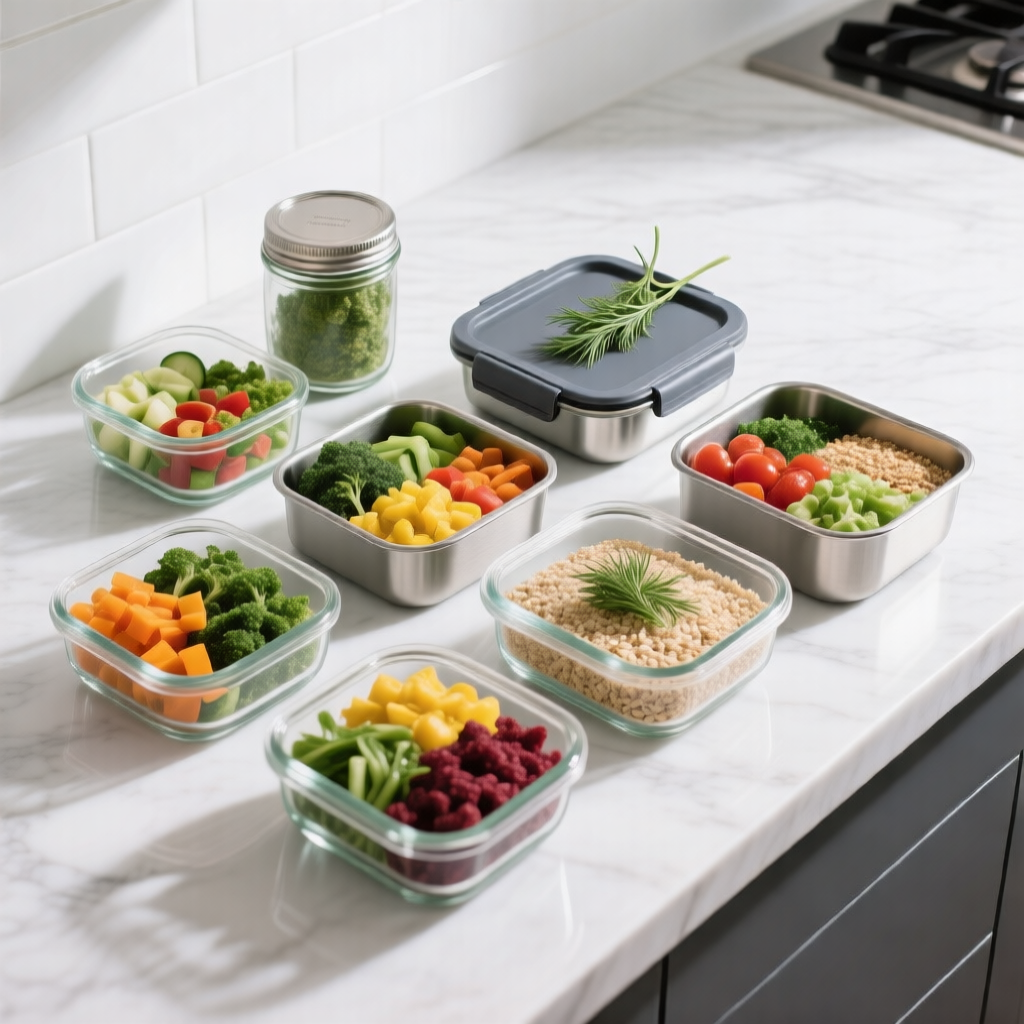
Benefits and Limitations of Different Container Types
Understanding the advantages and drawbacks of each container material is essential for making informed choices. Different materials offer distinct benefits depending on your storage needs, lifestyle, and priorities.
Glass containers excel at preserving food quality and appearance. They're non-reactive, meaning acidic foods won't degrade the container or leach chemicals. Glass is microwave-safe, dishwasher-friendly, and completely transparent so you can see contents at a glance. However, glass is heavier, more fragile, and typically more expensive than alternatives. It also conducts temperature quickly, which can affect food stability.
Plastic containers offer lightweight convenience and affordability. They're durable, come in various sizes, and are easy to transport. The downside? Plastic can absorb odors and stains over time, may leach chemicals when heated, and degrades with repeated use. Quality varies significantly between brands and price points.
Stainless steel containers provide durability and excellent insulation properties. They're lightweight, don't retain odors, and last for years. They're ideal for on-the-go storage and temperature-sensitive foods. The limitation is that you can't see contents without opening, and they're typically more expensive than plastic alternatives.
Types of Food Storage Containers
The market offers diverse container options designed for specific storage scenarios. Choosing the right type depends on what you're storing and how long you need to preserve it.
- Airtight containers with locking lids: Ideal for dry goods, leftovers, and meal prep. The seal prevents oxidation and keeps food fresh longer.
- Vacuum-sealed containers: Remove air to extend freshness dramatically. Perfect for meats, vegetables, and prepared meals.
- Stackable containers: Maximize freezer and refrigerator space. Essential for organized kitchens with limited storage.
- Bento-style compartment containers: Keep different foods separated, preventing flavor mixing and moisture transfer.
- Glass jars with rubber seals: Excellent for pantry storage and fermentation. Timeless design and superior preservation.
- Silicone stretch lids: Reusable alternatives to plastic wrap. Fit various bowl and container sizes.
- Bamboo fiber containers: Eco-friendly option with decent durability and insulation properties.
- Insulated lunch containers: Maintain food temperature for hours. Perfect for packed meals and travel.
Current Trends in Food Storage Technology
The food storage industry continues to innovate with sustainability and convenience in mind. Several trends are reshaping how consumers approach food preservation.
Sustainable materials: Consumers increasingly demand eco-friendly options. Bamboo, recycled plastic, and plant-based materials are gaining market share as environmental consciousness grows.
Smart containers: Technology integration is emerging with temperature-monitoring lids and app-connected inventory systems that track expiration dates and food freshness.
Modular systems: Flexible, interchangeable components allow customization. One lid fits multiple base sizes, reducing the need for numerous individual containers.
Minimalist design: Clean aesthetics and neutral colors appeal to modern kitchens. Containers that look good enough to serve from are increasingly popular.
Chemical-free focus: BPA-free, phthalate-free, and toxin-free certifications drive purchasing decisions as health-conscious consumers prioritize safety.
Essential Features to Look For
When evaluating food storage containers, specific features determine functionality and longevity. Understanding these characteristics helps you invest wisely.
| Feature | Why It Matters | What to Look For |
|---|---|---|
| Airtight seal | Prevents oxidation and extends freshness | Silicone gaskets, locking mechanisms, pressure-test certified |
| Material quality | Determines durability and safety | Food-grade certification, BPA-free, non-toxic materials |
| Temperature range | Ensures safe use across storage methods | Microwave, freezer, and dishwasher safe ratings |
| Stackability | Maximizes storage space efficiency | Uniform shapes, interlocking designs, flat lids |
| Transparency | Quick identification of contents | Clear sides, measurement markings, labeled lids |
| Lid retention | Prevents lost or mismatched lids | Attached hinges, color-coded systems, integrated storage |
Leading Container Brands and Solutions
Several manufacturers have established themselves as industry leaders through innovation, reliability, and consumer trust. These brands offer comprehensive solutions for various storage needs.
Premium glass container manufacturers focus on borosilicate glass that withstands temperature shock and provides superior clarity. Mid-range brands offer balanced quality and affordability with reliable sealing mechanisms. Budget-friendly options provide basic functionality for consumers prioritizing cost over longevity. Specialty brands focus on specific niches—sustainable materials, smart technology, or professional-grade solutions for commercial kitchens.
The best choice depends on your priorities: durability, sustainability, technology integration, or budget constraints. Reading independent reviews and checking certifications helps identify which brands align with your values and needs.
How to Select the Right Containers for Your Needs
Choosing appropriate food storage containers requires understanding your specific situation. Consider these factors when building your collection.
Assess your storage needs: Do you meal prep weekly? Store leftovers daily? Pack lunches? Preserve pantry staples? Each scenario benefits from different container types and sizes.
Evaluate your space: Measure your refrigerator, freezer, and pantry. Choose containers that fit your available space and stack efficiently.
Consider your lifestyle: Are you frequently on-the-go? Do you prefer microwave convenience? Do sustainability concerns matter to you? Your answers guide material and feature selection.
Think about durability: Will these containers endure daily use and frequent washing? Invest in quality if you'll use them constantly.
Start with a versatile core: Begin with medium-sized, rectangular airtight containers that work for most situations. Expand your collection as specific needs emerge.
Practical Storage Tips for Maximum Freshness
Temperature control: Store containers in consistent temperatures. Fluctuations accelerate spoilage and bacterial growth.
Moisture management: Use containers with proper ventilation for produce. Too much moisture promotes mold; too little causes wilting.
Air removal: Minimize air exposure for foods prone to oxidation. Vacuum-sealing or pressing plastic wrap directly on food surfaces helps.
Organization systems: Label containers with contents and dates. Use FIFO (first-in, first-out) rotation to prevent forgotten items from spoiling.
Separation strategies: Keep ethylene-producing fruits (apples, bananas) separate from ethylene-sensitive vegetables. This prevents premature ripening and decay.
Proper cleaning: Wash containers thoroughly before use. Residual food particles harbor bacteria and accelerate spoilage.
Freezer preparation: Leave headspace in containers for frozen foods that expand. Improper spacing causes lid damage and freezer burn.
Food Storage Container Selection Checklist
Use this checklist when evaluating and purchasing food storage containers:
- ☐ Material meets your safety and durability requirements
- ☐ Airtight seal is certified and tested
- ☐ Size range covers your typical storage needs
- ☐ Temperature range supports your usage (microwave, freezer, dishwasher)
- ☐ Stackability maximizes your available space
- ☐ Transparency allows quick content identification
- ☐ Lid design prevents loss and ensures proper fit
- ☐ Price aligns with your budget and expected lifespan
- ☐ Brand has positive reviews and warranty support
- ☐ Containers align with your sustainability values
Frequently Asked Questions About Food Storage Containers
Q: How long do food storage containers typically last?
A: Quality glass containers last indefinitely with proper care. Plastic containers typically last 3-5 years before showing wear. Stainless steel containers can last 10+ years. Lifespan depends on usage frequency and care methods.
Q: Can I microwave all food storage containers?
A: No. Check manufacturer specifications before microwaving. Glass and some plastics are microwave-safe, but others may leach chemicals or warp under heat. Always verify the container's temperature rating.
Q: What's the best way to remove odors from plastic containers?
A: Soak containers in white vinegar overnight, or fill with baking soda and water. Sunlight exposure also helps eliminate odors naturally. Some odors become permanent, indicating it's time to replace the container.
Q: Are expensive containers worth the investment?
A: Premium containers offer better durability, superior sealing, and longer lifespans. If you use containers daily, the cost-per-use over years justifies the investment. For occasional use, budget options suffice.
Q: How should I organize containers to prevent lid loss?
A: Use color-coded systems, store lids vertically in a dedicated drawer, or choose containers with attached hinges. Some people keep containers and lids together in labeled bins to maintain matching sets.
Q: What's the difference between airtight and waterproof containers?
A: Airtight containers prevent air exchange, preserving freshness and preventing oxidation. Waterproof containers prevent liquid leakage but may allow some air circulation. For optimal food preservation, airtight is superior.
Q: Can I freeze food in glass containers?
A: Yes, but use borosilicate glass specifically designed for freezing. Regular glass may crack due to expansion. Always leave headspace for frozen foods that expand.