Discover how to choose and apply the right concrete crack sealer for your project. Learn proven techniques to prevent damage and extend concrete lifespan effectively.
Concrete cracks are one of the most common headaches for homeowners and business owners alike. Whether it's a hairline fracture in your driveway, a widening gap in your basement wall, or spider-web patterns across your patio, these imperfections signal that your concrete needs attention. The good news? Modern concrete crack sealers have evolved dramatically, offering solutions for nearly every scenario. Understanding your options—and knowing how to apply them correctly—can mean the difference between a quick fix and a lasting solution that protects your property for decades.
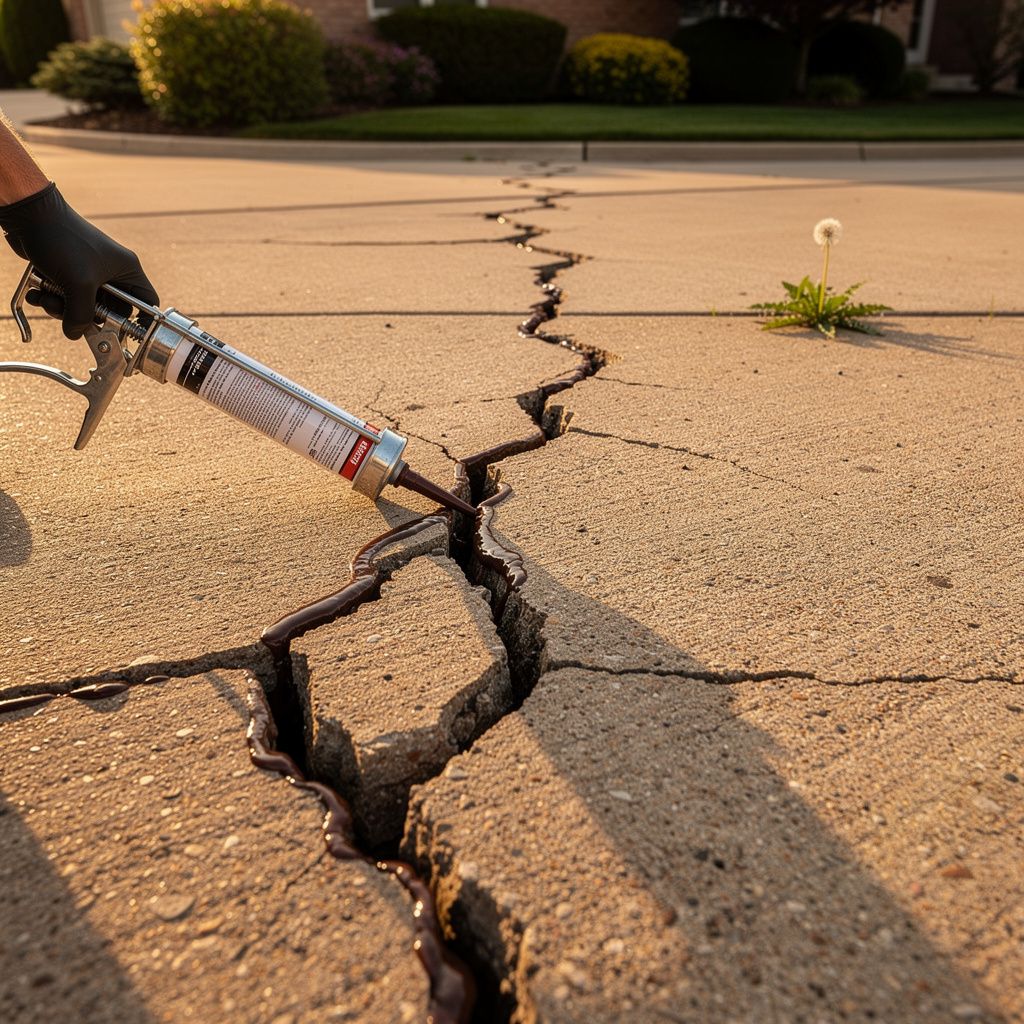
Understanding Concrete Cracks: Why They Happen and Why They Matter
Before diving into sealers, it's crucial to understand what causes concrete cracks in the first place. Concrete is a porous material that expands and contracts with temperature changes, moisture fluctuations, and structural settling. When concrete cures, it naturally shrinks. Add freeze-thaw cycles, heavy traffic, or poor installation, and cracks become inevitable.
The real danger? Water infiltration. When water seeps into cracks, it can freeze and expand, making cracks larger. It can also corrode reinforcing steel, leading to structural damage. This is why sealing cracks isn't just cosmetic—it's preventative maintenance that protects your investment.
Benefits and Limitations of Concrete Crack Sealers
Benefits: Quality crack sealers prevent water from penetrating concrete, stopping the cycle of freeze-thaw damage. They're cost-effective compared to concrete replacement, extend the lifespan of your concrete significantly, improve appearance, and reduce future repair costs. Many sealers are also environmentally friendly and can be applied without specialized equipment.
Limitations: Not all sealers work for all crack types. Sealers have varying lifespans and may require reapplication every few years. Some require specific weather conditions for application. Deep structural cracks may need professional repair before sealing. Additionally, sealers work best on clean, properly prepared surfaces—shortcuts lead to failure.
Types of Concrete Crack Sealers: A Complete Breakdown
The sealer you choose depends on crack width, depth, location, and expected movement. Here are the main categories:
Polyurethane Sealers
Polyurethane sealers are the workhorses of the industry. They're flexible, which means they accommodate concrete movement without cracking themselves. They bond well to concrete, resist UV damage, and handle both wet and dry conditions. They're ideal for active cracks that move seasonally. The downside? They can be pricier and require careful application.
Epoxy Sealers
Epoxy creates a rigid, durable bond perfect for static cracks that won't move. It's extremely strong, provides excellent adhesion, and resists chemicals and heavy traffic. However, epoxy isn't flexible, so it's not suitable for cracks that expand and contract. It also requires precise mixing and application.
Acrylic Sealers
Acrylic sealers are budget-friendly and easy to apply. They work well for hairline cracks and offer decent water resistance. The trade-off? They're less durable than polyurethane or epoxy, typically lasting 1-3 years before reapplication is needed. They're best for cosmetic repairs or temporary solutions.
Silicone Sealers
Silicone sealers offer excellent flexibility and water resistance. They're particularly effective in areas with extreme weather variations. They maintain flexibility over time and resist UV damage well. However, they can be slippery when wet and don't bond as aggressively as other options.
Cementitious Sealers
These mineral-based sealers are affordable and easy to apply. They work best for small, non-moving cracks. They're not flexible, so they're unsuitable for active cracks, and they typically don't last as long as other options.
Comparison Table: Sealer Types at a Glance
| Sealer Type | Flexibility | Durability | Cost | Best For | Lifespan |
|---|---|---|---|---|---|
| Polyurethane | High | Excellent | $$ | Active cracks | 5-10 years |
| Epoxy | Low | Excellent | $$ | Static cracks | 5-10 years |
| Acrylic | Medium | Fair | $ | Hairline cracks | 1-3 years |
| Silicone | High | Good | $$ | Wet environments | 3-7 years |
| Cementitious | None | Fair | $ | Small static cracks | 1-2 years |
Current Trends in Concrete Sealing
The concrete sealing industry is evolving. Eco-friendly, low-VOC (volatile organic compound) formulations are becoming standard as environmental consciousness grows. Self-healing concrete sealers—which contain capsules of healing agents that activate when cracks form—are emerging as game-changers. Nanotechnology is improving sealer performance at the molecular level, creating more durable and water-resistant products. Additionally, penetrating sealers that work from within the concrete rather than sitting on the surface are gaining popularity for their longevity and natural appearance.
Key Features to Look For in a Quality Sealer
When evaluating concrete crack sealers, consider these critical features:
- Adhesion strength: The sealer must bond firmly to concrete without peeling or flaking
- Flexibility: For active cracks, flexibility prevents the sealer from cracking as concrete moves
- Water resistance: The primary job is keeping water out; ensure the sealer is truly waterproof
- UV resistance: Outdoor sealers must resist sun damage and maintain appearance
- Temperature tolerance: Can the sealer perform in your climate's temperature range?
- Cure time: How long before the sealer is fully cured and ready for traffic?
- Application ease: Can you apply it yourself, or do you need professionals?
- Longevity: How many years will it last before reapplication?
Leading Sealer Products and Manufacturers
The market offers numerous trusted options. Major manufacturers include companies specializing in concrete repair and maintenance, producing polyurethane, epoxy, and acrylic formulations. Professional-grade products typically outperform consumer-grade alternatives in durability and performance. When selecting a product, research customer reviews, check warranty information, and verify the manufacturer's technical support availability. Look for products that have been tested and proven in climates similar to yours.
How to Choose the Right Sealer for Your Situation
Selecting the right sealer involves asking yourself several questions:
- How wide is the crack? Hairline cracks (less than 1/8 inch) can use acrylic or cementitious sealers. Wider cracks (1/8 to 1/2 inch) typically need polyurethane or epoxy. Cracks wider than 1/2 inch may need professional repair first.
- Is the crack active or static? Active cracks that move seasonally need flexible polyurethane or silicone. Static cracks can use rigid epoxy.
- Where is the crack located? Interior basement cracks have different requirements than exterior driveways exposed to weather.
- What's your climate? Freeze-thaw climates need products that handle expansion and contraction. Wet climates need superior water resistance.
- What's your budget and timeline? Budget-conscious? Acrylic works for temporary fixes. Long-term investment? Polyurethane or epoxy pays dividends.
Step-by-Step Application Tips for Best Results
Preparation is everything. Clean the crack thoroughly—use a wire brush, pressure washer, or vacuum to remove dirt, debris, and loose concrete. Let the crack dry completely; moisture prevents proper adhesion. For wider cracks, use a concrete chisel to widen the crack slightly into a V-shape, which helps the sealer bond better.
Prime if necessary. Some sealers benefit from a primer, especially on porous or previously sealed concrete. Check product instructions.
Apply correctly. Use the right applicator—caulk gun for sealants, brush for liquid sealers. Apply in one continuous motion for caulk-based products. Smooth with a wet finger or tool immediately after application for best results. Don't overfill; slightly recessed sealers perform better than overfilled ones.
Allow proper cure time. Don't rush. Most sealers need 24-72 hours to fully cure. Check product specifications and avoid traffic or water exposure during this period.
Frequently Asked Questions About Concrete Crack Sealers
How do I know if my crack needs sealing or professional repair?
Hairline cracks and cracks under 1/2 inch wide are typically suitable for DIY sealing. Cracks wider than 1/2 inch, cracks that are actively growing, cracks in structural areas, or patterns suggesting foundation issues should be evaluated by a professional before sealing.
Can I seal a wet crack?
Most sealers require dry conditions. However, some polyurethane and silicone sealers are formulated to work in damp conditions. Always check product specifications. If possible, dry the crack first for best results.
How long do concrete crack sealers last?
Lifespan varies by sealer type: acrylic (1-3 years), silicone (3-7 years), polyurethane and epoxy (5-10 years). Climate, traffic, and maintenance affect longevity. Regular inspection helps you know when reapplication is needed.
Can I apply sealer over an old, failed sealer?
Not without proper preparation. Remove the old sealer completely using a chisel, grinder, or chemical stripper. Clean thoroughly and let dry. Applying new sealer over failed old sealer typically fails quickly.
Are concrete crack sealers safe for the environment?
Modern sealers are increasingly eco-friendly. Look for products with low VOC content, water-based formulations, or certifications from environmental organizations. Traditional solvent-based products have higher environmental impact.
What's the difference between crack sealers and concrete coatings?
Crack sealers fill and seal specific cracks. Concrete coatings cover the entire surface, providing protection and aesthetic benefits. Coatings don't address existing cracks; you should seal cracks first, then apply coating.
Conclusion: Protecting Your Concrete Investment
Concrete crack sealers are essential tools for extending the life of your concrete and preventing costly damage. By understanding the different sealer types, matching the right sealer to your specific situation, and following proper application techniques, you can achieve professional-quality results. Whether you're dealing with a single hairline crack or multiple wider fractures, there's a sealer solution that fits your needs and budget. The key is taking action promptly—sealing cracks early prevents them from becoming major problems. With the knowledge from this guide, you're equipped to make informed decisions about your concrete maintenance and protect your property for years to come.