Discover which vintage electronics are worth serious money. Learn what collectors pay for retro gadgets and how to spot hidden treasures in your attic.
How to Identify Valuable Retro Gadgets: The Ultimate Collector's Guide
The Hidden Fortune in Your Attic
That old Game Boy collecting dust? The vintage Walkman in a drawer? These forgotten gadgets might be worth hundreds—even thousands. The retro tech market has exploded, with collectors worldwide paying premium prices for authentic vintage electronics. Whether you're a casual collector or serious investor, understanding which gadgets hold value is essential.
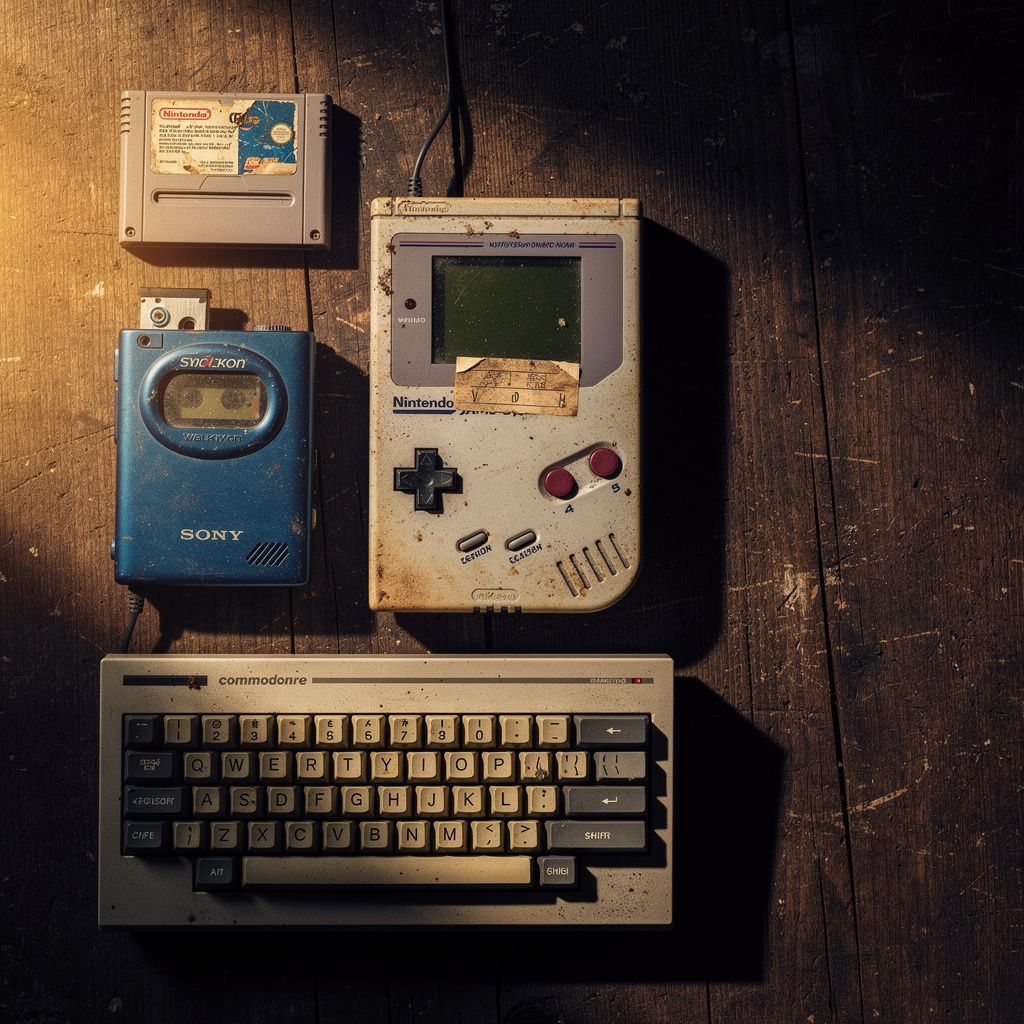
The nostalgia economy is real. Millennials and Gen X buyers are actively seeking the technology that defined their childhoods, creating unprecedented demand. Original Nintendo consoles, early Apple products, and obscure portable devices now command serious money at auctions and collector markets.
Why Retro Gadgets Are Worth Money
Several factors drive retro gadget value: rarity, condition, original packaging, and cultural significance. A pristine 1980s Game Boy can fetch $500+, while a sealed first-generation iPhone might reach $5,000. The key isn't just age—it's desirability and scarcity.
- Nostalgia Factor: Emotional connection drives collector demand
- Rarity: Limited production runs increase value exponentially
- Condition: Mint condition pieces command premium prices
- Original Packaging: Box and accessories multiply value
- Historical Significance: Landmark tech innovations hold lasting appeal
Top 5 Retro Gadgets Worth Big Money
1. Original Game Boy (1989) – Mint condition units sell for $300-$500. Rare color variants and Japanese imports reach $1,000+.
2. Sony Walkman (1979) – The first portable cassette player revolutionized music. Original models in working condition: $200-$800.
3. Apple iPhone 1st Generation (2007) – Sealed units fetch $3,000-$5,000. Even used originals command $500+.
4. Nintendo Entertainment System (1983) – Original consoles with controllers and games: $200-$1,500 depending on condition.
5. Commodore 64 (1982) – The best-selling computer ever. Complete systems with peripherals: $300-$1,200.
Condition Matters: Grading Your Gadgets
| Condition Grade | Description | Typical Value Impact |
|---|---|---|
| Mint/Sealed | Never opened, factory condition | Premium (200-500% markup) |
| Near Mint | Minimal wear, fully functional | High (100-200% markup) |
| Excellent | Light use, cosmetic wear only | Good (50-100% markup) |
| Good | Normal wear, fully functional | Fair (10-50% markup) |
| Fair | Heavy wear, may have issues | Low (baseline value) |
Where to Sell Your Retro Gadgets
Online marketplaces, specialty auction houses, and collector communities offer the best returns. Specialized retro tech retailers understand the market and pay accordingly. Local collector groups and retro gaming conventions provide direct buyer access.
Authentication and Spotting Fakes
Counterfeits plague the retro market. Learn to verify serial numbers, examine packaging details, and check for manufacturing inconsistencies. Authentic pieces have specific weight, feel, and build quality that fakes rarely replicate. Research factory markings and regional variations before purchasing.
Investment Potential and Trends
Retro gadgets aren't just nostalgia—they're legitimate investments. Rare items appreciate 15-30% annually. The market favors first-generation products, limited editions, and gadgets from pivotal tech moments. Emerging trends show growing interest in 1990s portable electronics and early smartphone models.
Storage and Preservation Tips
- Store in climate-controlled environments (50-70°F, 30-40% humidity)
- Use acid-free packaging materials
- Keep away from direct sunlight and moisture
- Document condition with detailed photos
- Maintain original boxes and accessories
Frequently Asked Questions
Q: Does a gadget need to work to have value?
A: Non-functional items have reduced value but aren't worthless. Collectors buy for display or restoration projects. Condition and rarity still matter significantly.
Q: What's the best time to sell retro gadgets?
A: Demand peaks during holiday seasons and nostalgia anniversaries (20-30 year milestones). Patience often yields better prices.
Q: How do I know if my gadget is rare?
A: Research production numbers, check completed auction listings, and consult collector databases. Rare variants have specific color options, regional exclusives, or limited runs.
Q: Should I restore or clean my gadgets?
A: Avoid aggressive cleaning. Light dusting is fine, but restoration can reduce value for collectors seeking originality. Professional restoration is only recommended for premium pieces.
Q: Are newer retro items (1990s-2000s) worth collecting?
A: Absolutely. Early smartphones, iPods, and gaming handhelds are gaining collector interest rapidly as nostalgia cycles continue.
Conclusion: Your Gadget Goldmine Awaits
The retro gadget market rewards knowledge and patience. Whether you're discovering forgotten electronics in your home or actively collecting, understanding value drivers transforms casual finds into meaningful investments. Start documenting what you have, research comparable sales, and connect with collector communities. Your next treasure might already be in your possession.